
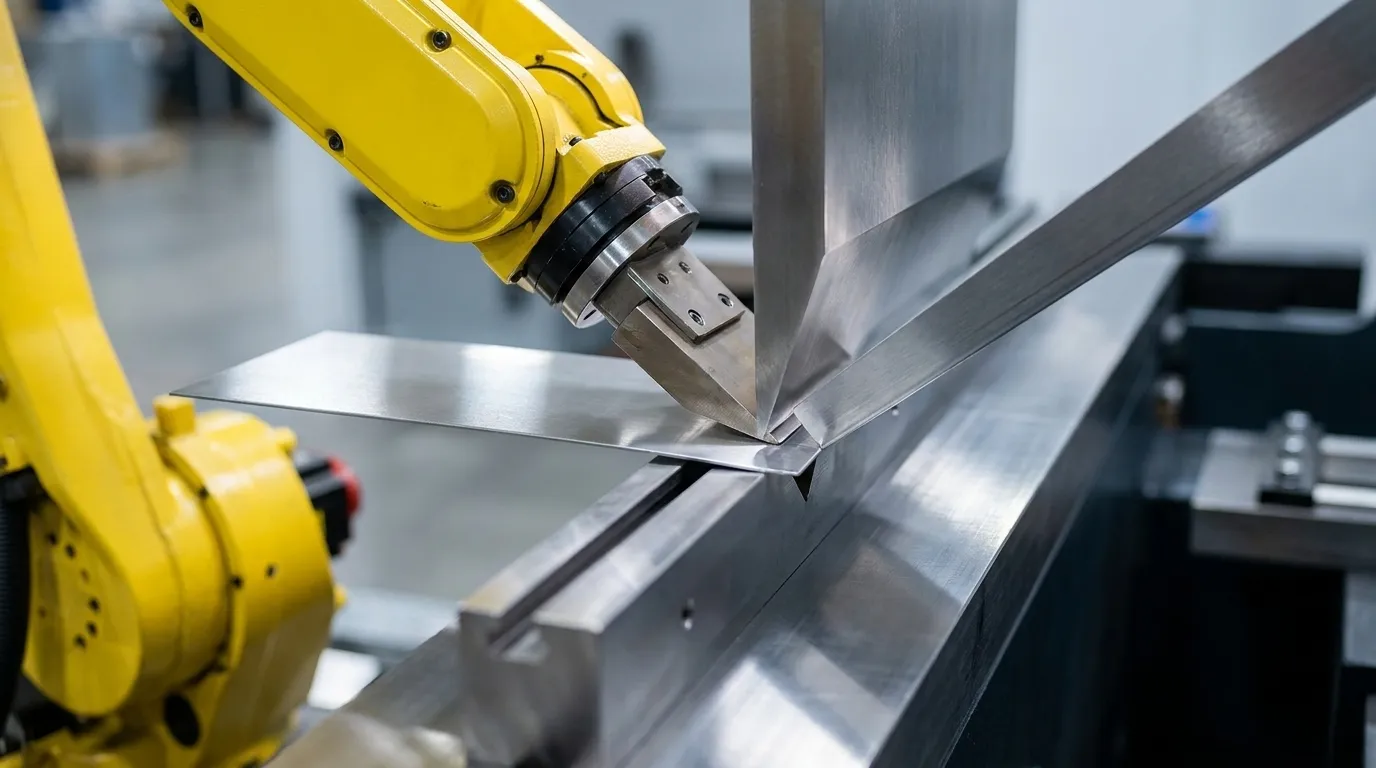
Key takeaways for contract manufacturing success
- The contract manufacturing process follows nine sequential steps from requirements definition through fulfillment. Each step carries distinct risks that require structured partner evaluation across five dimensions.
- Early DFM review, clear acceptance criteria and formal revision management reduce rework, scrap and late-stage engineering change orders.
- Quality, supply chain visibility and IP leakage risks stay manageable when partners are scored on technical capabilities, integration scope, quality and compliance, scalability and supply chain reliability before contract execution.
- Vertically integrated U.S. manufacturers that keep fabrication, finishing and electromechanical assembly under one roof reduce handoff delays between vendors and improve traceability for infrastructure and regulated-industry programs.
- Get a quote from Fabcon and start the DFM review process today to reduce total cost of ownership and accelerate time-to-market.
How the contract manufacturing process works
The contract manufacturing process follows nine sequential steps from requirements through fulfillment. Each step carries distinct risks and requires deliberate partner evaluation across five dimensions: technical capabilities, integration scope, quality and compliance, scalability and flexibility, and supply chain reliability.
- Requirements definition. Engineering, supply chain and operations teams align on functional specs, volume targets and compliance requirements. Misaligned specs cause rework from poor DFM downstream. Engaging a partner with in-house engineering early reduces this risk. A data center OEM, for example, locks rack enclosure specs before any CAD work begins.
- Partner qualification. Teams evaluate manufacturers on certifications, integration scope and production capacity. Selecting a low-complexity job shop can create later delays between vendors. Scoring partners on all five evaluation dimensions before committing reduces this exposure. An energy storage company, for example, audits finishing and assembly capabilities alongside fabrication.
- Design-for-manufacturability (DFM) review. The manufacturer reviews drawings and 3D models before design freeze. Late DFM feedback forces late-stage changes and schedule slips. Running DFM review in parallel with detailed design, not after it, prevents this. A medical device team, for instance, reduces part count by converting a weldment to a boltment using alignment features.
- Quoting and contract execution. The manufacturer issues a detailed quote, and both parties execute a manufacturing agreement covering quality standards, IP ownership, tooling and termination terms. Vague acceptance criteria create defect disputes. Defining Critical, Major and Minor defect categories in the contract sets clear expectations. An aerospace program, for example, specifies AS9100D traceability requirements in the agreement.
- Prototype production. The manufacturer produces first articles for engineering validation. Supply chain complexity multiplies when finishing and assembly are outsourced. Consolidating fabrication, finishing and assembly under one roof simplifies this stage. A traffic-safety infrastructure company, for example, validates enclosure geometry before committing to a production run.
- First-article inspection (FAI). Quality teams verify dimensional accuracy, material compliance and finish against approved drawings. Undocumented revisions cause scrap and rework. Formal engineering change order processes from the first prototype prevent version drift. An EV infrastructure OEM, for instance, uses FAI data to confirm weld and hardware insertion tolerances.
- Production ramp. The manufacturer scales from prototype quantities to mid-volume runs using validated processes. Rigid large contract manufacturers often impose high minimums that block incremental scaling. Partners with agile production cells adapt to changing volumes and BOMs. A medical device company, for example, ramps from pilot units to full production without re-onboarding.
- Finishing and assembly. In-house powder coating, painting, hardware insertion and electromechanical assembly complete the build. Outsourced finishing introduces coordination delays between suppliers and quality inconsistencies. Requiring in-house finishing and assembly as a qualification criterion reduces those risks. An aerospace enclosure, for example, receives CARC military-grade coating and wiring integration without leaving the facility.
- Fulfillment and delivery. The manufacturer manages logistics, JIT scheduling and documentation for final delivery. Fragmented logistics across multiple vendors increase supply chain complexity. Consolidating fulfillment under one accountable partner simplifies scheduling and documentation. A data center operator, for instance, receives rack systems on a blanket-order release schedule tied to deployment milestones.
Evaluating a partner across all nine steps before committing determines whether the program succeeds or stalls during transfer.
Request a quote from Fabcon to see how our integrated process eliminates handoff risk.
Managing contract manufacturing risk
Contract manufacturing carries real risks, and each one becomes manageable with the right partner and contract structure.
Quality risk is the most cited concern. Disputes arise when shipments pass statistical sampling yet are rejected by buyers due to undefined acceptance criteria. Contracts should categorize defects into Critical, Major and Minor tiers with zero-tolerance thresholds for safety or regulatory violations.
Supply chain visibility risk is equally serious. ISO-certified facilities sometimes outsource production to unapproved lower-tier workshops, creating phantom factory risks and unauthorized material substitution. A strict no-subcontracting policy or a client-approved vendor list removes this exposure.
IP leakage risk is common in global programs. Tooling hostage situations occur when suppliers delay release of molds during transitions due to unclear ownership clauses. NDAs with defined scope and tooling ownership vested in the brand owner prevent this outcome.
Reshoring data confirms that quality and delivery risk drive OEM decisions. The 2025 USA Reshoring Survey found that contract manufacturers believe OEM customers onshored primarily for quality and rework reduction, delivery time and reduced supply chain disruption risk.
Scoring partners on quality and compliance certifications, integration scope and supply chain reliability before contract execution reduces risk to a manageable level.
Deeper look at each contract manufacturing step
Each of the nine steps deserves deeper examination, particularly for programs in regulated or infrastructure-critical industries. Applying the risk controls above at each stage strengthens outcomes.
Requirements definition sets the cost baseline. Engaging a manufacturer during requirements definition, not after design freeze, preserves the most cost and schedule flexibility.
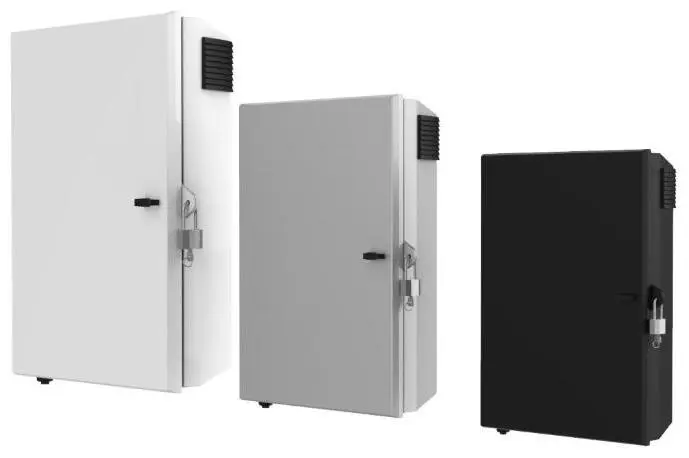
Partner qualification applies the five dimensions introduced earlier. Technical capabilities should be assessed for fabrication processes, machining and finishing. Integration scope reveals whether assembly and electromechanical work happen in-house. Quality and compliance include certifications such as ISO 9001:2015 and AS9100D. Scalability and flexibility reflect production cell agility and volume range. Supply chain reliability ties these together through fulfillment, logistics and single-partner accountability.
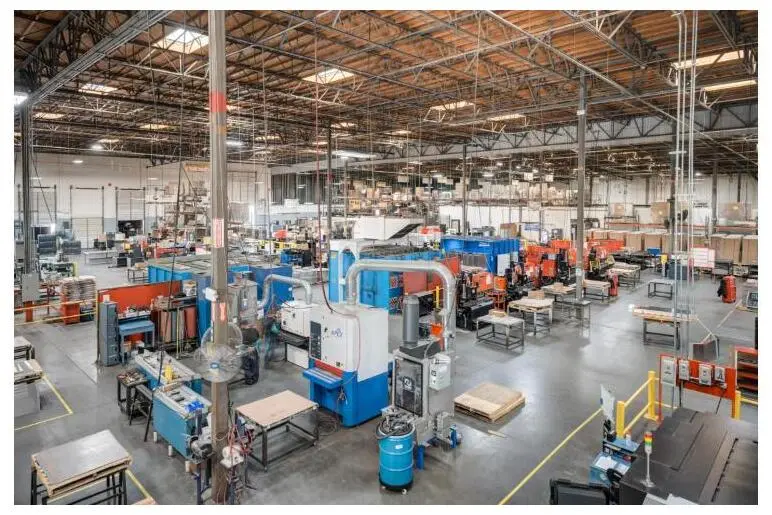
DFM review is the highest-leverage step. Applying DFM early reduces manufacturing costs and shortens time-to-market through fewer engineering change orders and less scrap. Submitting both a 3D STEP model and a 2D drawing gives the manufacturer full geometry context for a meaningful review.
Contract execution must address tooling ownership, defect categories, price adjustment caps and termination wind-down. A balanced termination clause allows termination for convenience with adequate notice. It also requires the manufacturer to complete in-process orders and transfer tooling within that period.
Prototype production and FAI together validate the manufacturing process before volume commitment. FAI data should feed directly into production work instructions so lessons from first articles carry into every subsequent run.
Production ramp benefits from agile manufacturing cells that handle high-mix, variable-volume programs without the rigidity of large global contract manufacturers. Mid-volume fabrication can incur hidden costs and longer lead times when suppliers outsource cutting, forming, welding or assembly, since each transfer can introduce delays and quality inconsistencies.
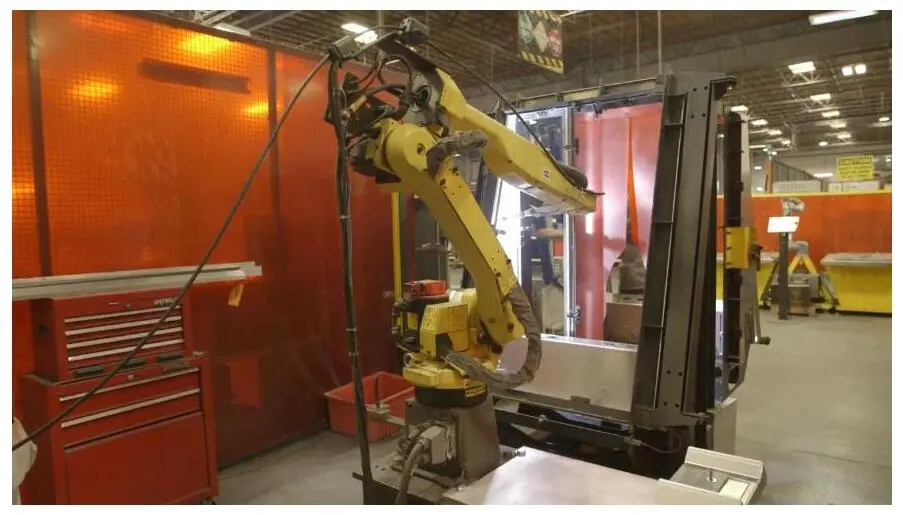
Finishing, assembly and fulfillment close the loop. In-house finishing eliminates inter-vendor shipping cycles. Electromechanical assembly under the same roof as fabrication removes the coordination burden of managing separate wiring and integration vendors.
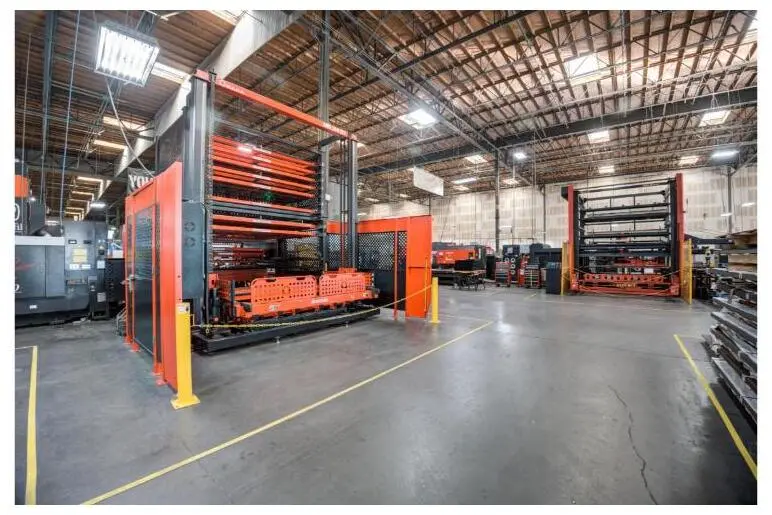
Disadvantages of contract manufacturing to plan around
Contract manufacturing introduces disadvantages that engineering and supply chain leaders must plan for explicitly.
Loss of production control is the most frequently cited disadvantage. When a manufacturer subcontracts processes, the OEM loses visibility into actual production conditions. Vertically integrated partners that perform all operations in-house remove this blind spot.
IP exposure is a structural risk. Proprietary trade secrets, patents and exclusive technologies can erode competitive advantages or lead to IP theft without robust NDAs and explicit IP clauses. U.S.-based partners operating under ITAR registration add a regulatory layer of protection for defense and aerospace programs.
Supply chain complexity grows when a single finished product requires multiple vendors for metal, coatings, wiring and assembly. Manufacturers lose annual spend due to poor contract management practices including fragmented vendor oversight. Consolidating vendors under one partner reduces this exposure.
Scaling inflexibility is a disadvantage specific to large global contract manufacturers. High minimums and long onboarding cycles prevent mid-volume programs from adjusting to demand changes. Partners with flexible production cells resolve this without requiring a new sourcing event.
Hidden total cost persists when OEMs compare only unit price. Shifting from simplistic cost comparisons to total cost of ownership analysis can support reshoring decisions without subsidies or supply chain shocks. Rework, coordination delays between suppliers and quality failures add costs that never appear in a per-part quote.
Each disadvantage maps directly to an evaluation criterion. Partners that score well on integration scope, quality and compliance and supply chain reliability neutralize the most common disadvantages before they affect program outcomes.
Common contract mistakes in manufacturing agreements
Four contract mistakes account for the majority of program failures in precision contract manufacturing.
- Undefined acceptance criteria. Without written defect thresholds and inspection protocols, disputes over reject rates often escalate into litigation. A New York brand owner may spend years and significant legal fees litigating a defect rate without written acceptance criteria. Defining Critical, Major and Minor defect categories before production begins prevents this.
- Missing tooling ownership clauses. When the OEM funds tooling but the contract is silent on ownership, the manufacturer controls the asset. When the brand owner funds tooling, ownership should vest in the brand owner with a contractual requirement for transfer upon termination.
- No DFM review before design freeze. Standard supplier DFM processes fail because reviews run sequentially across multiple suppliers, suppliers only see 2D drawings without geometry context and feedback has no shared home. Requiring parallel DFM review with full 3D model access as a contract condition addresses this gap.
- Uncontrolled revision management. Version drift from uncontrolled CAD revisions is a leading cause of scrap. Formal ECO processes from the first prototype prevent this. Contracts should mandate revision-controlled file naming and documented change approval before any production run.
- Ignoring compliance certification lapse risk. Roughly 35% of companies have faced penalties because critical certifications like ISO lapsed without warning, which led to shipments held at ports. Contracts should require the manufacturer to maintain active certifications and notify the OEM of any lapse within a defined window.
Each mistake maps to a gap in the evaluation framework. Partners that score well on quality and compliance and integration scope eliminate these risks structurally rather than only contractually.
Frequently asked questions about contract manufacturing
What causes vendor handoff delays in contract manufacturing?
Vendor handoff delays occur when fabrication, finishing and assembly are split across separate suppliers. Each transfer introduces scheduling dependencies, inter-vendor shipping time and quality finger-pointing when defects are discovered. Consolidating all operations under one vertically integrated partner removes the transfers that cause these delays.
How does rework from poor DFM affect program timelines?
Poor DFM surfaces as late-stage engineering change orders, scrap and re-tooling costs. Design changes made after the concept phase cost significantly more than changes made during initial design. Early DFM collaboration with the contract manufacturer, before design freeze, prevents most rework by aligning geometry, tolerances and materials to actual process capabilities.
What certifications should a contract manufacturer hold for regulated industries?
ISO 9001:2015 is the baseline quality management certification for most industrial programs. AS9100D is required for aerospace and defense work and mandates full traceability, first-article inspection and approved supplier list management. ITAR registration is required for programs involving controlled defense-related technical data. Medical device programs require alignment with ISO 13485 and FDA QMSR requirements. Evaluating a manufacturer’s active certifications and audit history is a non-negotiable step in partner qualification.
How does supply chain complexity increase total program cost?
Supply chain complexity adds cost through multiple purchase orders, inter-vendor logistics, quality disputes between suppliers and extended lead times caused by scheduling across separate facilities. Each additional vendor in the supply chain introduces a potential failure point. Consolidating fabrication, finishing and assembly under one partner reduces vendor count, compresses timelines and improves cost predictability.
What is the difference between a job shop and a vertically integrated contract manufacturer?
A job shop typically handles build-to-print sheet metal work without engineering support, finishing or assembly. It cannot manage complex system integrations such as wiring or electromechanical assembly, which forces OEMs to manage multiple vendors for a single finished product. A vertically integrated contract manufacturer performs fabrication, machining, finishing and assembly in-house, with engineering support spanning DFM through production. The integrated model reduces vendor count, improves traceability and supports programs from prototype through mid-volume production.
Conclusion: selecting the right contract manufacturing partner
The contract manufacturing process succeeds when each of the nine steps reduces coordination delays, rework from poor DFM and supply chain complexity through early integration and one accountable partner. The evaluation framework of technical capabilities, integration scope, quality and compliance, scalability and flexibility and supply chain reliability gives engineering, supply chain and operations leaders a structured method for selecting the right partner before committing to a program.
Reshoring momentum reinforces the case for U.S.-based integrated partners. Contract manufacturers have already reshored for customers, are actively reshoring or are currently quoting reshoring work, driven by quality, delivery and supply chain disruption concerns. The U.S. electronics manufacturing services market reflects sustained demand for domestic precision manufacturing partners.
Fabcon is a vertically integrated U.S. precision sheet metal fabrication and electromechanical assembly partner, operating across manufacturing space with ISO 9001:2015, AS9100D and ITAR registration. Fabcon supports programs from prototype through mid-volume production, with in-house DFM engineering, fabrication, finishing and assembly under one roof.
Get a quote from Fabcon and request a DFM review for the next program.