
Key Takeaways for US Fiber Enclosure Buyers
-
The US fiber optic enclosure market is expanding, driven by 5G densification, the $42.5 billion BEAD program and hyperscale data centers.
-
Buyers face a fragmented supplier landscape where global brands impose rigid volumes and smaller shops lack engineering depth.
-
Key enclosure types include rack-mount, wall-mount, outdoor and pedestal units, dome closures and distribution boxes.
-
US-based manufacturers improve lead time, domestic compliance and supply chain reliability compared with offshore sourcing.
-
Mid-volume, high-mix fiber enclosure programs align well with Fabcon’s vertically integrated US manufacturing and ISO 9001:2015/AS9100D-certified quality.
How Fiber Optic Network Enclosures Support Modern Networks
Fiber optic network enclosures are protective housings that terminate, splice, distribute and manage fiber optic cables in telecom, data center and FTTH networks. They shield fiber connections from environmental hazards, mechanical stress and contamination. They also provide organized access for maintenance and expansion.
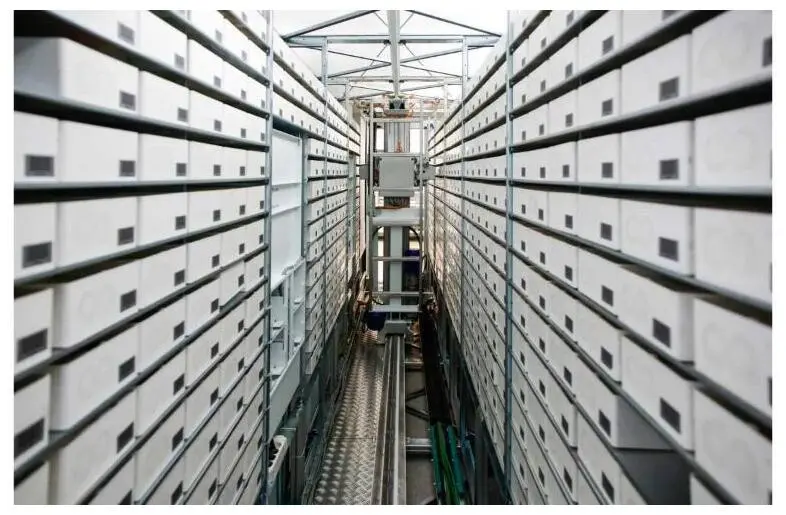
The main fiber optic enclosure types and their applications include:
-
Rack-mount enclosures: 19-inch form factors for data centers and central offices that support high-density patching across many port configurations. These enclosures dominate hyperscale and enterprise environments.
-
Wall-mount enclosures: Compact units for multi-dwelling units, building entrances and customer premises. They serve as demarcation points between outside plant and indoor cabling.
-
Outdoor and pedestal enclosures: Weatherproof units rated to IP65–IP68 or NEMA 4X for outside plant environments, including aerial, direct-buried and pedestal-mount applications.
-
Dome closures: Sealed below-grade or aerial units for splicing and cable protection. Dome-type closures suit underground networks, pole-mounted installations and backbone networks because of their vertical design and environmental sealing.
-
Distribution boxes: Multi-port units with splitter support for FTTH access networks, typically deployed at street cabinets, building basements or outdoor pedestals.
The US market is shifting toward higher port counts and pre-terminated, plug-and-play designs that reduce field labor and splicing errors. Multi-port configurations now represent a growing share of total unit demand.
Leading Fiber Optic Network Enclosure Manufacturers in the US Market
Several manufacturers serve the US fiber optic enclosure market across global brands and US-based custom specialists. The right partner depends on requirements, volumes and customization needs.
-
Corning: A global optical communications leader with comprehensive indoor and outdoor enclosure solutions. The EDGE Rapid Connect Enclosure series supports high-density data center interconnect applications with configurations supporting thousands of interconnected fibers.
-
CommScope: A major global supplier of FTTH and outside plant enclosures. CommScope’s portfolio includes FOSC splice closures, Fiber Distribution Hubs and Optical Terminal Enclosures with BABA-compliant US manufacturing options for federally funded broadband projects.
-
Leviton: A specialist in Opt-X wall-mount and ultra-high-density rack-mount enclosures for enterprise and data center environments.
-
Panduit: Panduit supplies fiber enclosures, drawers and optical distribution frames across a wide range of fiber counts for data center and enterprise applications.
-
AFL: AFL provides splice closures, FTTx splitter cabinets and wall-mounted enclosures for outside plant and data center use.
-
Channell (Prysmian Group): A US-based manufacturer of fiber closures, outdoor cabinets, pedestals and wall-mount terminals that meet Build America, Buy America requirements, with facilities in Texas, Nevada and California.
-
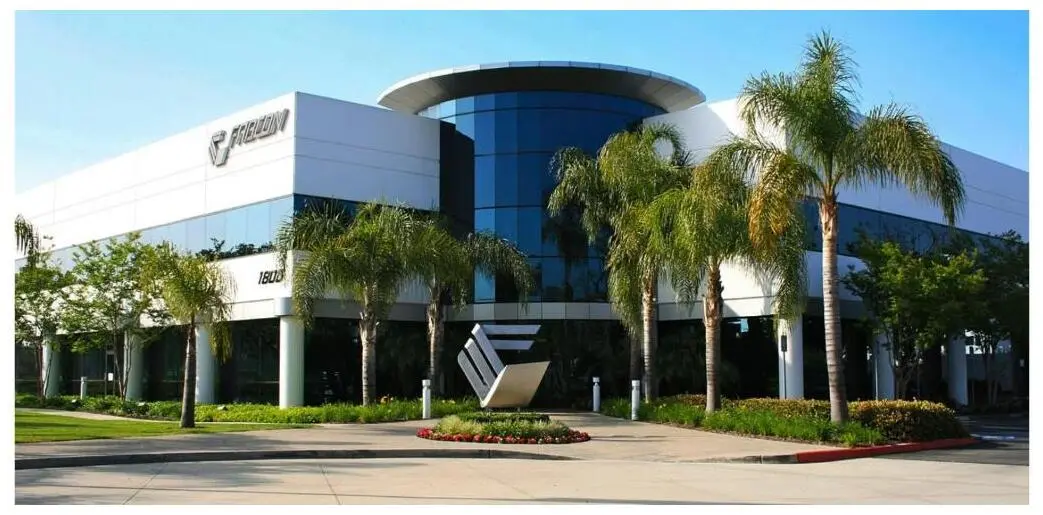
Fabcon: A US-based custom manufacturer with vertically integrated fabrication, finishing and assembly for fiber optic enclosures. Fabcon focuses on mid-volume, high-mix projects that need custom designs and design-for-manufacturability collaboration, supported by ISO 9001:2015 and AS9100D certifications and 220,000 square feet of manufacturing space in Southern California.
Need a custom fiber optic enclosure built to specific requirements? Get a quote from Fabcon.
Choosing Between Custom and Off-the-Shelf Fiber Enclosures
Off-the-shelf enclosures are pre-engineered catalog products with standard dimensions, port counts and environmental ratings. Custom fiber optic enclosures are designed and manufactured for specific dimensional, material, thermal or integration needs.
Off-the-shelf enclosures work well when catalog dimensions fit the application, lead time matters, volumes stay low and only minor changes are required. Modifying a certified standard enclosure, such as cutting connector holes or adding cable entries, can invalidate its original IP and EMC certifications. That situation can require re-testing and re-certification.
Custom enclosures make sense when:
-
Electronics or components do not fit standard form factors
-
Specific environmental requirements (IP65+, NEMA 4X) require purpose-designed sealing and materials
-
Thermal or cable management needs exceed catalog capabilities
-
The product is customer-facing and must reflect quality and brand identity
-
Mid-volume, high-mix programs need consistent builds across production runs without heavy field modification
Custom enclosures arrive ready for installation, which reduces labor and improves consistency compared with field-modified standard units. For OEMs building repeat systems, custom enclosures keep every unit identical, which improves quality control.
Configure-to-order and engineered-to-order enclosures command meaningful price premiums over standard catalog products. That pricing reflects demand for tailored solutions in mission-critical applications. Fabcon provides DFM collaboration that improves designs for production, reduces rework and improves cost efficiency before the first unit ships.
Key Criteria for Evaluating Fiber Enclosure Manufacturers
A structured evaluation framework helps engineering and procurement teams shortlist fiber optic enclosure suppliers with confidence. The following criteria apply across program types and volumes.
-
Quality certifications: ISO 9001:2015 certifies a quality management system, including design control, supplier qualification, incoming inspection, traceability and corrective action. AS9100D signals aerospace-grade process rigor. Buyers should verify certificate scope and the certification body’s accreditation status. Fabcon holds both ISO 9001:2015 and AS9100D certifications.
-
Manufacturing capabilities: Buyers should confirm whether the manufacturer handles fabrication, finishing and assembly in-house. Vertically integrated manufacturers reduce vendor handoffs and quality disputes across the supply chain.
-
Engineering support: Strong DFM collaboration reduces rework and improves scalability. A manufacturer that reviews drawings, tolerances and materials before production helps designs move smoothly from prototype to production.
-
Scalability and flexibility: Manufacturers that support mid-volume, high-mix programs without excessive minimum order quantities provide better fit for evolving BOMs. Agile production cells support that flexibility.
-
US-based vs. offshore: Buyers should consider communication, lead times, domestic standards such as Telcordia GR-487 and UL and tariff exposure. US-based manufacturing supports reshoring and simplifies audits and site visits.
-
Supply chain reliability: Strong material sourcing, inventory management and on-time delivery matter. Buyers should ask about supplier relationships and contingency plans for shortages.
Comparing US-Based and Global Enclosure Manufacturers
The choice between US-based and global fiber optic enclosure suppliers involves tradeoffs across cost, lead time, compliance and supply chain risk.
US-based manufacturers provide easier communication, shorter lead times and compliance with domestic standards such as Telcordia, UL and BABA. They also support reshoring initiatives and simplify quality audits and site visits. For programs tied to federal funding, domestic sourcing often functions as a qualification requirement.
Global manufacturers can offer lower unit costs at very high volumes and broad product catalogs. However, the US imports an estimated 55–65 percent of fiber optic terminal boxes, primarily from East Asia. Chinese-origin products face Section 301 tariffs that add significantly to landed cost, and extended lead times increase supply chain volatility and quality risk.
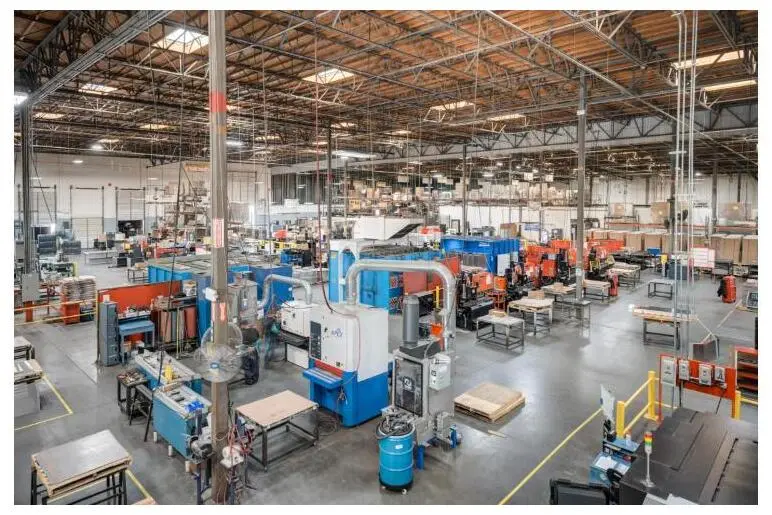
This import dependence creates an opportunity for differentiation through domestic sourcing. Fabcon operates 220,000 square feet of manufacturing space in Southern California, which supports quality accountability and supply chain visibility for mid-volume programs.
Explore US-based custom enclosure manufacturing with Fabcon. Request a quote.
Shortlisting Manufacturers for a Fiber Enclosure Program
A disciplined shortlisting process reduces supplier risk and accelerates program timelines. The following steps align with mid-volume, high-mix fiber enclosure programs.
-
Define requirements: Document enclosure type, fiber count, port density, environmental rating, material preferences, volume projections and customization needs. Clear specifications reduce quoting delays and DFM iterations.
-
Research candidates: Use the manufacturer list above as a starting point. Review product lines, certifications and industry focus. For custom enclosures, prioritize manufacturers with in-house engineering and finishing.
-
Evaluate capabilities: Assess each candidate against certifications, manufacturing capabilities, engineering support, scalability and US-based versus offshore tradeoffs. For programs that need vertically integrated fabrication and assembly, confirm that the manufacturer manages all steps under one roof.
-
Request quotes and samples: Send a detailed RFQ with drawings or specifications. Evaluate responsiveness, technical questions during quoting and sample quality. Strong technical engagement during quoting often signals a production-ready design.
-
Conduct site visits or audits: For critical programs, visit the facility to confirm capabilities, quality systems and production processes. US-based manufacturers make this step practical and cost-effective.
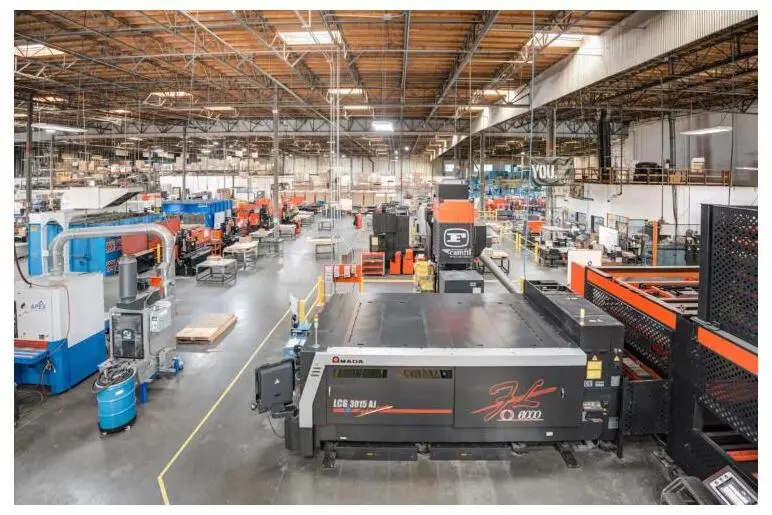
Consolidated fabrication, finishing and assembly under one roof reduces supply chain complexity and vendor handoff delays. A single accountable partner accelerates the move from prototype to production and improves execution consistency. Fabcon’s integrated model, which spans in-house engineering, sheet metal fabrication, finishing and electromechanical assembly, supports that approach. For more detail on evaluating US enclosure manufacturers, see Fabcon’s guides on custom metal enclosure fabrication for infrastructure and technology.
Emerging Trends in Fiber Optic Enclosures
Several structural trends are reshaping the fiber optic enclosure market through 2035 and beyond.
-
High-density enclosures for 5G and data centers: The high-density data center segment is growing at an above-market rate, driven by AI and 400G/800G optical interconnects. Enclosures must support high port counts and modular, pre-terminated designs.
-
Custom and modular designs: Configure-to-order and engineered-to-order enclosures command meaningful price premiums over standard catalog products, reflecting demand for tailored solutions.
-
Thermal and cable management: Rising fiber densities increase the importance of thermal management and organized cable routing. Many standard catalog products do not address these needs.
-
Sustainability requirements: Major service providers now mandate recyclable materials and reduced packaging waste, which reshapes material specifications and supplier qualification.
-
BEAD program impact: The $42.45 billion BEAD broadband program will sustain demand for outdoor cross-connect cabinets through at least 2028, with strong emphasis on BABA-compliant domestic sourcing.
Conclusion: Matching Enclosure Strategy to Program Needs
The US fiber optic enclosure market is growing across outdoor hardened, high-density data center and FTTH distribution segments. Buyers navigate a fragmented supplier landscape that includes global giants and small job shops with limited engineering depth.
Mid-volume, high-mix programs that require custom enclosures benefit from a vertically integrated US-based manufacturer. That model supports engineering collaboration, strong quality certifications and simpler supply chains. Fabcon combines the infrastructure of a large contract manufacturer with the agility of a mid-sized partner, delivering fabrication, finishing and assembly under one roof with ISO 9001:2015 and AS9100D certifications.
Evaluate Fabcon as a US-based partner for a fiber optic enclosure program. Request a quote.
Frequently Asked Questions
How do splice closures differ from distribution enclosures?
A fiber optic splice closure is a sealed outdoor or underground housing that protects permanent fiber splices from environmental hazards. It is built for infrequent re-entry and is typically rated IP68 for direct-buried or aerial applications. A fiber optic distribution enclosure is designed for termination, patching and distribution rather than raw splicing. Distribution enclosures allow frequent access for moves, adds and changes and are commonly deployed in data centers, central offices and building entrance facilities. Splice closures join fiber mid-route with no plug-in ports, while distribution enclosures present adapter ports for active patching and management.
When does a custom fiber enclosure justify the added engineering work?
Custom fiber optic enclosures make sense when standard catalog products cannot meet dimensional, environmental or integration requirements without field modification. Common triggers include electronics or components that do not fit standard form factors, IP or NEMA ratings that require purpose-designed sealing, thermal demands that exceed catalog capabilities and customer-facing applications where brand identity and finish quality matter. For OEM programs that build repeat systems, custom enclosures keep every unit identical, which reduces variability and installation labor. Modifying a certified standard enclosure can void its IP rating and require re-testing, which often makes custom design the more cost-effective path for mid-volume programs. A manufacturer that provides DFM collaboration early in the process can improve the design for production, reduce rework and improve cost efficiency across the program lifecycle.
Which certifications matter for fiber enclosure manufacturers?
ISO 9001:2015 is the baseline quality management system certification and indicates documented, auditable processes for design control, supplier qualification, traceability and corrective action. It certifies the system, not individual products, so buyers should verify certificate scope and confirm that the issuing body is accredited by a recognized national accreditation body. AS9100D indicates aerospace-grade process rigor and signals strong manufacturing discipline for mission-critical applications. For product-level compliance, outdoor enclosures for US telecom networks are typically evaluated against Telcordia GR-487 and GR-771 standards, which cover environmental sealing, thermal cycling and mechanical performance. UL listing provides independent third-party verification for enclosures that house electronic equipment. Buyers should request certificate numbers, verify them in official databases and confirm that the scope matches the claimed product or process.
What tradeoffs exist between US-based and offshore sourcing?
US-based fiber optic enclosure manufacturers provide shorter lead times, easier communication, simpler audits and compliance with domestic standards such as Telcordia, UL and BABA. For programs funded through federal broadband initiatives such as BEAD, domestic sourcing often functions as a qualification requirement. Offshore sourcing, primarily from East Asia, can offer lower unit costs at very high volumes and broad product catalogs. Import reliance introduces exposure to tariff policy changes, extended lead times and supply chain volatility. Section 301 tariffs on Chinese-origin products add significantly to landed cost, and quality control across international supply chains requires additional oversight. For mid-volume, high-mix programs where engineering collaboration, schedule reliability and supply chain simplicity matter most, US-based manufacturing often delivers better total program outcomes.
How does Fabcon support fiber enclosure programs from prototype through production?
Fabcon is a vertically integrated US-based manufacturer that operates 220,000 square feet of manufacturing space in Southern California. The company manages precision sheet metal fabrication, CNC machining, in-house finishing and electromechanical assembly under one roof. Fabcon’s engineering team provides DFM collaboration before production, reviewing drawings, tolerances and materials to improve manufacturability and reduce rework. Agile production cells allow Fabcon to scale from prototype to mid-volume production without the high minimums or rigid onboarding processes common at large contract manufacturers. ISO 9001:2015 and AS9100D certifications govern every stage of the build and support full traceability and process consistency. For engineering and procurement teams that manage mid-volume, high-mix fiber enclosure programs, Fabcon consolidates fabrication, finishing and assembly into a single accountable partner relationship.