
Last updated: July 30, 2026
Key takeaways for complex CNC assemblies
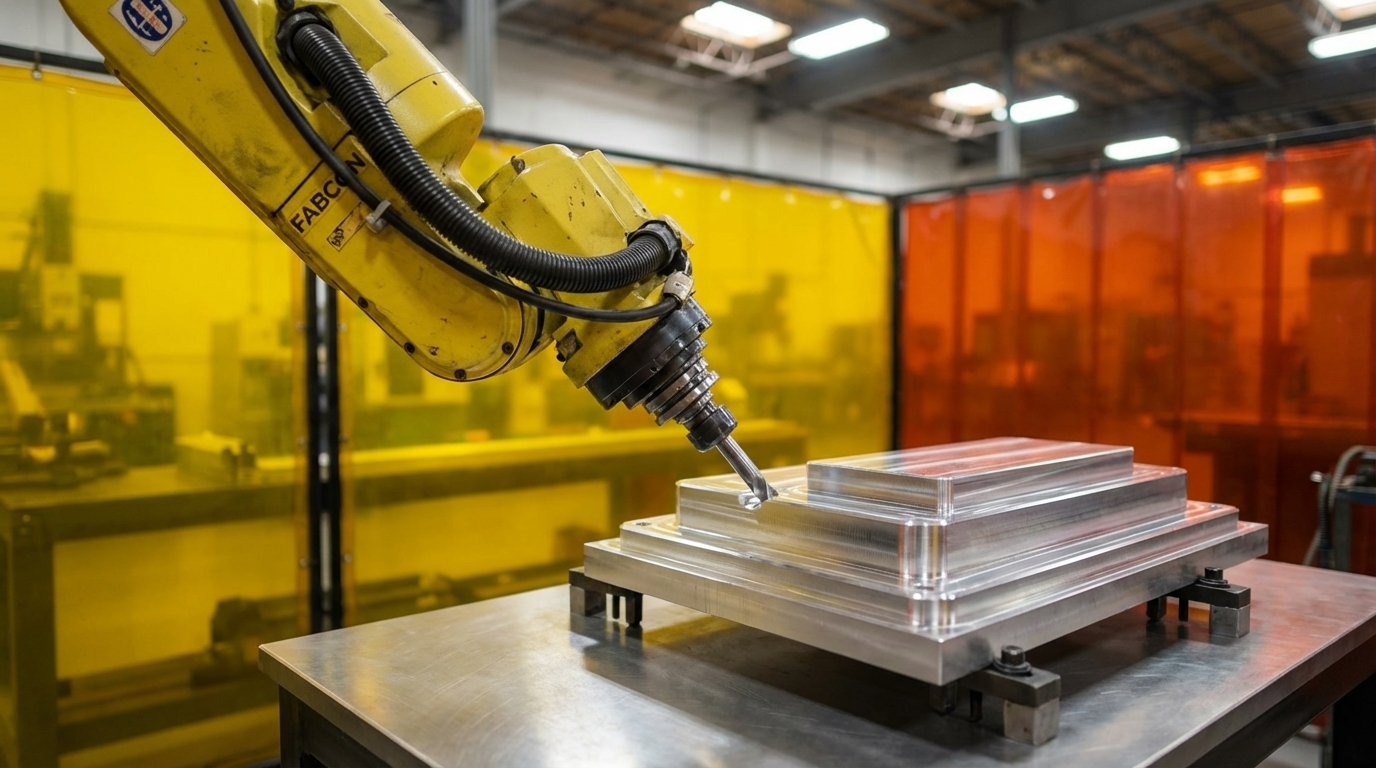
- Precision CNC machining for complex assemblies demands more than basic cutting. Partners provide DFM input, certified quality systems and components that integrate cleanly into fabricated structures.
- Multi-axis machining, disciplined tolerances and early supplier involvement reduce setup counts, error risk and late-stage redesign costs across infrastructure and aerospace programs.
- Vertically integrated U.S. partners combine CNC machining, sheet-metal fabrication, finishing and light electromechanical assembly under one roof, which compresses lead times and clarifies accountability.
- ISO 9001:2015, AS9100D, ITAR registration and full traceability are non-negotiable for regulated industries. Integrated QA across all processes closes the communication gaps that fragment supply chains.
- Consolidating vendors with a single accountable partner such as Fabcon reduces hidden transaction costs, improves delivery predictability and supports prototype-to-mid-volume ramps without rigid minimums.
How qualified CNC partners support complex assemblies
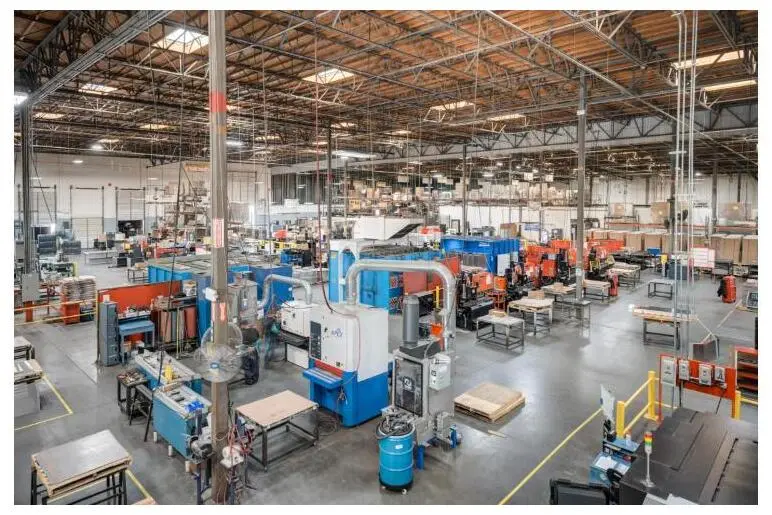
A CNC shop qualified for complex assemblies does more than cut metal to print. It contributes DFM feedback before geometry is finalized, maintains certified quality systems and produces machined components that fit directly into fabricated structures without extra vendor coordination. Reshoring Initiative data from April 2026 shows domestic manufacturing job announcements have grown at a 25% compound annual growth rate since 2010, reflecting rising demand for accountable U.S. partners. Fabcon meets this standard through a vertically integrated model that combines precision CNC machining, sheet-metal fabrication, finishing and light electromechanical assembly across 220,000 square feet of U.S. manufacturing space.
Technical capabilities that protect complex programs
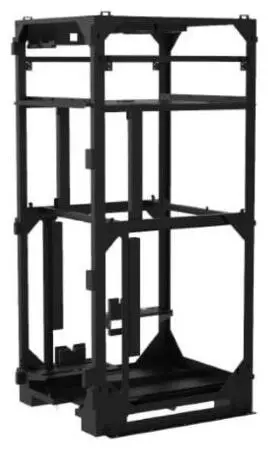
Multi-axis CNC machining is a baseline requirement for complex assemblies. Five-axis capability reduces setup count, improves geometric accuracy on compound features and supports the tight-tolerance structures such as chassis, racks and enclosures that infrastructure and aerospace programs demand.
DFM input at the design stage carries equal weight. Common DFM mistakes in CNC machining include over-constraining non-critical dimensions, ignoring toolpath and setup constraints and designing in isolation without supplier input. These errors drive up cost and error risk, which early supplier involvement prevents. A qualified shop reviews drawings before they are frozen, identifies features that increase setup count or error risk and recommends geometry changes while revisions remain inexpensive.
Tolerance strategy matters as much as machine capability. Engineers should reserve tight tolerances for features that affect function, fit, safety or performance, applying standard manufacturing tolerances to non-critical features to avoid unnecessary increases in machining time, inspection burden, scrap and cost. A capable CNC partner helps teams apply this discipline systematically.
Technical capability alone does not secure successful complex assemblies. The partner also needs control of the full production chain so machined components integrate cleanly with fabricated structures.
Integration scope across fabrication, machining and assembly
The most significant differentiator between a standalone CNC shop and a qualified complex-assembly partner is integration scope. When machined components must fit into sheet-metal enclosures that then receive wiring and hardware, every vendor boundary introduces scheduling risk and quality ambiguity.
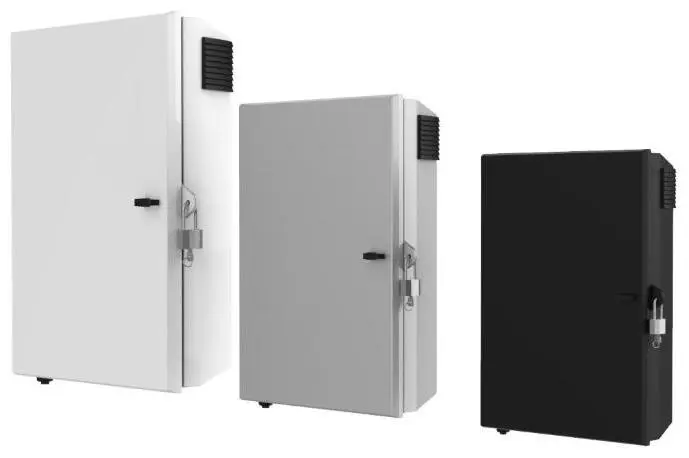
Current best practice for DFM in electromechanical assemblies is to involve the manufacturing partner before geometry is finalized, so feedback on fit, clearance, connector alignment and serviceability can influence feature choices and tolerance targets while changes remain inexpensive. A partner that performs fabrication, machining and assembly internally can apply this feedback across all three disciplines at the same time.
Suppliers that keep laser cutting, CNC punching, press-brake bending, welding, hardware insertion, assembly and surface finishing under one roof reduce overall lead time for sheet-metal parts because components do not sit in queue between vendors or travel between facilities. This in-house CNC capability supports fabricated assemblies directly, ensuring dimensional accuracy and assembly alignment without the coordination overhead of managing a separate machine shop.
Teams ready to consolidate vendors and reduce handoffs can request a precision CNC machining quote for complex assemblies.
Quality and compliance across regulated industries
Regulated industries require documented, auditable quality systems that span every production step. ISO 9001:2015 establishes the baseline for process control and traceability. AS9100D extends those requirements to aerospace and defense programs, covering configuration management, risk management and first-article inspection. ITAR registration governs controlled technical data and hardware for defense-related programs.
Medical device programs add further requirements. ISO 13485:2016 is the primary quality-management standard required for medical-device CNC machining suppliers, with U.S. OEMs increasingly mandating it regardless of target market, and U.S. manufacturers must align with FDA 21 CFR 820, which requires documented design controls, process validation records and CAPA procedures for every production step.

Integrated QA is the operational requirement that most fragmented supply chains fail to meet. When machining, finishing and delivery are split across multiple suppliers, each interface introduces risk in communication, timing and accountability, often resulting in delays, rework and unclear responsibility for the final part. Fabcon’s certified quality system spans fabrication, machining, finishing and assembly, providing full traceability and a single audit trail.
Robust quality systems create the foundation for scale. The next consideration is how a partner responds as programs move from first articles to sustained production.
Scalability and flexibility from prototype to ramp
Programs that begin as prototypes and ramp to mid-volume production expose the rigidity of both ends of the market. Small job shops lack the infrastructure to scale. Large contract manufacturers require high minimums and extended onboarding that stall NPI timelines.
DFMA is most effective when applied collaboratively through cross-functional review by design engineers, manufacturing engineers, quality teams and suppliers before drawings are frozen, to prevent costly late-stage redesigns. A partner with agile production cells can absorb evolving BOMs and mixed SKUs without the overhead constraints that large contract manufacturers impose.
Companies announced roughly $1.42 trillion in planned U.S. manufacturing investment between January 2025 and mid-March 2026, concentrated in semiconductors, pharmaceuticals, electrical equipment and defense. These sectors require precision-machined components and contract assembly services at prototype and mid-volume scale. Fabcon’s flexible production cells support this ramp without imposing the minimums or onboarding timelines that characterize large contract manufacturers.
Scalable capacity and flexible cells influence more than delivery. They also shape the total economic impact of a sourcing decision.
Total program value beyond unit price
Total program value accounts for more than unit price. Fragmented supply chains carry hidden costs that accumulate across every vendor boundary.
Transaction costs in small-batch or custom purchases can rise significantly compared to standard procurement, often exceeding savings from competitive tendering, and rework caused by errors in complex engineering projects can account for a substantial share of capital expenditure, with fragmented interfaces increasing the probability that minor clarifications propagate into multi-stage cost events. These effects represent the hidden cost of fragmentation in complex CNC and fabrication programs.
Supply chain disruptions cost companies an average of 5 to 10 percent of annual revenues in 2024, according to industry research published in 2025. A single accountable U.S. partner reduces vendor count, compresses lead times through parallel workflows and removes the scheduling gaps that emerge when each supplier operates on its own timeline.
Structured supplier management and closer buyer-supplier coordination can generate material cost reductions across purchasing categories through improved demand transparency and specification optimization. Fabcon’s one-PO model consolidates fabrication, machining, finishing and assembly, which reduces the administrative overhead of reconciling quotes and documentation across a fragmented network.
Decision checklist for CNC and assembly sourcing
The following checklist covers all five evaluation dimensions and fits directly into RFPs for precision CNC machining services for complex assemblies. Procurement teams can score each item as fully met, partially met or not met, then prioritize partners that meet all criteria in the most critical categories.
- Technical capabilities: Multi-axis CNC machining for tight-tolerance components. DFM review offered before drawings are finalized. Tolerance strategy aligned to functional requirements.
- Integration scope: In-house sheet-metal fabrication, CNC machining, finishing and light electromechanical assembly under one roof. No subcontracting of core processes.
- Quality and compliance: ISO 9001:2015 and AS9100D certification. ITAR registration. UL/CSA compliance. Full material traceability and batch-level inspection documentation.
- Scalability and flexibility: Prototype-to-mid-volume capability without high minimums. Agile production cells that accommodate evolving BOMs and mixed SKUs. Responsive onboarding.
- Total program value: Single point of accountability. Reduced vendor count. Parallel workflow capability. Transparent lead-time commitments with advance notice of changes.
Frequently asked questions on CNC partners
What certifications should a precision CNC machining partner hold for aerospace and defense programs?
Aerospace and defense programs require AS9100D certification as a baseline, which extends ISO 9001:2015 quality management requirements. ITAR registration is required for programs involving controlled technical data or hardware. Fabcon holds both AS9100D certification and ITAR registration, with integrated quality systems that span fabrication, machining, finishing and assembly.
How does early DFM collaboration reduce total program cost?
DFM collaboration before drawings are finalized allows the manufacturing partner to identify features that increase setup count, impose unnecessary tight tolerances on non-critical dimensions or create assembly access problems. Addressing these issues at the design stage costs a fraction of what rework or late-stage redesigns cost in production. Fabcon’s engineering and quoting teams review drawings, tolerances and materials before production begins, creating manufacturing routers aligned with the floor and reducing downstream rework.
Why does vendor consolidation improve lead-time reliability for complex assemblies?
Fragmented supply chains create scheduling dependencies at every vendor boundary. A machining delay can cause a finishing supplier to lose its production slot, which pushes back assembly and final delivery. Each additional vendor multiplies this risk. Vertically integrated partners eliminate these handoffs by controlling fabrication, machining, finishing and assembly internally, enabling parallel workflows and real-time scheduling adjustments that outsourced models cannot match.
Can a mid-size U.S. fabricator support both prototype and mid-volume production without high minimums?
Agile production cells designed for high-mix programs can support prototype through mid-volume production without the minimums or onboarding timelines that large contract manufacturers impose. Fabcon’s flexible manufacturing cells adapt to changing volumes, mixed SKUs and evolving bills of materials, which suits growth-stage programs that need to ramp without rigid production commitments.
What is the real cost of managing a fragmented CNC and fabrication supply chain?
The visible cost is unit price across vendors. The hidden costs include transaction overhead from managing multiple POs and documentation sets, rework from specification drift at vendor handoffs, expediting fees when one supplier’s delay cascades through the build sequence and quality finger-pointing when defects cross vendor boundaries. Consolidating CNC machining, fabrication, finishing and assembly with a single accountable partner reduces these costs while improving program visibility and delivery predictability.
Next steps: request a DFM-focused review
Procurement and engineering teams evaluating precision CNC machining services for complex assemblies gain the most value from a partner review that begins with the design. Fabcon’s engineering team accepts drawings for DFM feedback before quoting, identifying manufacturability improvements, tolerance adjustments and integration considerations that reduce program risk and total cost. Teams can submit drawings and program requirements to start the conversation. Request a quote and DFM review from Fabcon’s U.S. engineering team.