

Last updated: August 29, 2026
Key Takeaways for Selecting an Enclosure Partner
- Off-the-shelf enclosure brands like APC, Rittal, Tripp Lite, Middle Atlantic and StarTech.com support standard deployments but reach limits with non-standard dimensions, custom cutouts, integrated wiring or specific NEMA ratings.
- A six-criteria evaluation framework covering technical capabilities, integration scope, quality and compliance, scalability, supply-chain simplicity and total value reduces supplier selection risk.
- Job shops, large contract manufacturers and mid-tier integrated fabricators serve different program profiles. Mid-tier integrated fabricators often balance engineering depth, production flexibility and domestic lead-time reliability for mid-volume, high-mix deployments.
- Trade-offs such as cost versus integration depth, local versus offshore production, flexibility versus standardization and prototype speed versus production efficiency shape partner selection decisions.
- Fabcon designs and fabricates custom network enclosures for data center, telecom and edge programs where catalog products reach their limits. Explore custom enclosure options.
Six Criteria for Evaluating Network Enclosure Manufacturers
A structured evaluation framework reduces supplier selection risk and highlights trade-offs that unit price comparisons miss. These six criteria apply across data center, telecom and edge deployment contexts.
- Technical capabilities: The manufacturer must meet dimensional, structural, thermal and environmental specifications. Rack density has increased in recent years. Enclosure geometry, load ratings and cooling integration now function as primary design variables rather than afterthoughts.
- Integration scope: The partner either handles fabrication, finishing and electromechanical assembly under one roof or hands off work between vendors. Factory staging of network systems reduces on-site installation time by limiting field work to positioning, powering and connecting pre-validated racks.
- Quality and compliance: Certifications, traceability systems and inspection procedures define quality. Quality control procedures for network server cabinets should cover incoming material inspection, dimensional inspection, welding inspection, surface treatment inspection, assembly inspection and final inspection.
- Scalability and flexibility: The partner should move from prototype to mid-volume production without high minimums or long onboarding cycles. This flexibility supports evolving designs and mixed SKUs.
- Supply-chain simplicity: Vendor count, handoff risk and lead-time reliability affect program performance. Supply chain and raw material disruptions have extended lead times for custom-configured enclosures, particularly for NEMA 4X and NEMA 12 rated products.
- Total value: Total value includes purchase price plus internal labor for modification, rework, scrap, engineering time and assembly delays. This total-cost perspective often shows that a higher unit-price enclosure with pre-engineered cutouts and verified dimensions yields lower overall cost than a cheaper basic cabinet that requires extensive field work.
Off-the-Shelf Leaders and Where They Fit Best
These six criteria help distinguish when off-the-shelf solutions work and when custom fabrication becomes necessary. Several brands dominate the catalog enclosure market and serve well-defined deployment scenarios.
APC by Schneider Electric often serves enterprise IT rooms and colocation deployments where standard 42U configurations, integrated PDUs and brand-supported warranties satisfy procurement requirements. Rittal supports industrial and panel-builder markets with modular system enclosures that accept climate control integration. Tripp Lite and its parent Eaton address mid-market data center and UPS-integrated rack needs. Middle Atlantic focuses on AV, broadcast and structured wiring environments where aesthetics and cable management depth matter. StarTech.com supports small-office and edge-closet deployments where cost and delivery speed outweigh customization.
Each brand performs well within its catalog range. Limits appear when programs require non-standard dimensions, custom cutout patterns, integrated wiring, seismic ratings, specific NEMA type ratings for outdoor or harsh environments or assembly scope that extends beyond the metal shell.
When Standard Racks Fall Short for Integration and Scale
Several deployment scenarios expose the limits of off-the-shelf configurations and create pressure for custom solutions.
Telecom and data center power density has increased. Enclosure geometry and structural ratings now exceed what many standard catalog products were designed to support. AI and high-performance GPU server platforms require deeper enclosures to preserve cable bend radius, airflow plenum and PDU clearance.
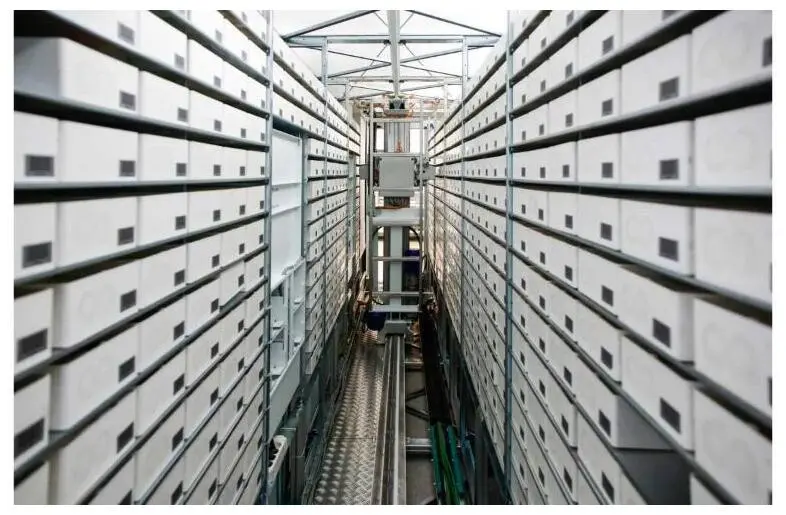
High-density GPU deployments with liquid cooling require physical separation between large cooling pipes on the backside of cabinets and fiber pathways. Standard rack layouts often fail to accommodate this requirement without custom fiber routing.
Supply chain exposure compounds these technical constraints. The United States remains structurally import-dependent for fiber optic terminal boxes, with a majority of units sourced from overseas manufacturing hubs in East Asia. This pattern creates exposure to tariff policy changes and logistics disruptions. Supply chain concentration in die-cast aluminum housings, injection-molded plastic enclosures and specialized gasketing materials from a limited number of offshore suppliers extends typical lead times for non-stock IP-rated enclosures in the United States.
Mid-volume, high-mix programs encounter additional friction. The transition to design-specific factory staging occurs when speed, repeatability and quality control outweigh the benefits of generic off-the-shelf configurations. Surging bandwidth demand, tightening SLAs, multi-vendor interoperability needs and geopolitical supply volatility often drive this shift.
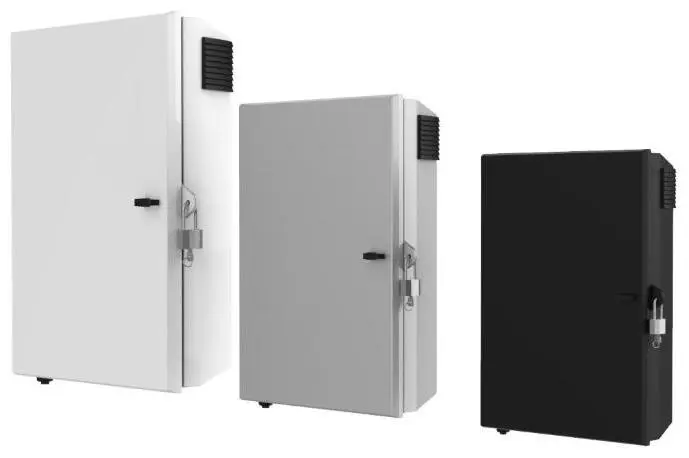
For programs facing these scaling challenges, Fabcon offers custom enclosure design and fabrication. Discuss scaling requirements with the Fabcon engineering team.
Comparing Job Shops, Integrated Fabricators and Large Contract Manufacturers
Three manufacturing models serve the custom enclosure market, and each aligns with different needs across the six evaluation criteria.
Job shops operate as transactional, build-to-print vendors. They handle straightforward sheet metal work but often lack the engineering depth for Design-for-Manufacturability review. They also typically cannot manage wiring, electromechanical assembly or integrated finishing. Customers working with job shops must coordinate multiple vendors for a single finished product, which introduces handoff delays and quality accountability gaps.
Large contract manufacturers (CMs) provide scale and infrastructure but often impose high minimum order quantities, long onboarding timelines and limited flexibility for evolving bills of materials. Sourcing costs have risen amid the current tariff environment, and many suppliers pass those costs through.
Mid-tier integrated fabricators occupy the space between these extremes. They combine fabrication, finishing and assembly under one roof, support DFM collaboration from the earliest design stage and maintain the production flexibility to scale without the overhead of a large CM. Demand for modular, customizable enclosure systems continues to accelerate as OEMs and system integrators seek shorter lead times and simpler field modifications, needs that mid-tier integrated fabricators can address.
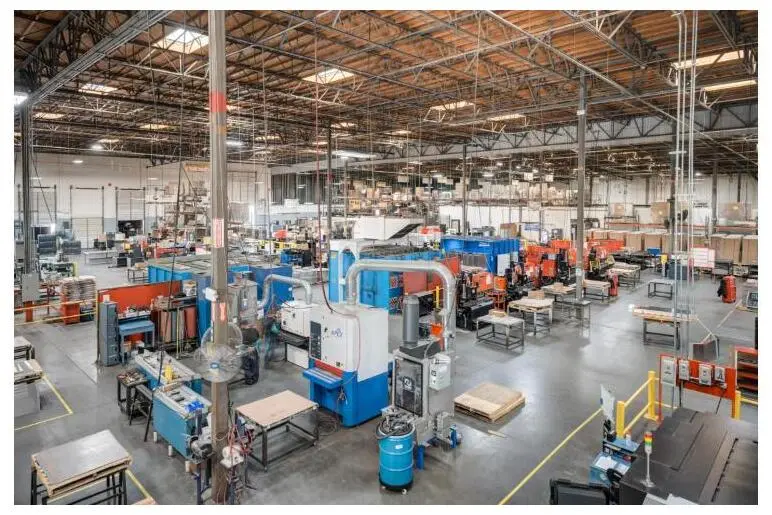
U.S.-based integrated fabricators also address reshoring expectations. The share of companies in formal planning or active execution stages of reshoring has risen, according to KPMG’s 2026 Tariff Survey. Domestic fabrication can reduce exposure to tariff-driven cost volatility that has raised the average effective tariff rate on U.S. imports since 2024.
Trade-offs That Shape Network Enclosure Partner Selection
Four recurring trade-offs drive partner selection decisions for network enclosure programs and influence long-term program performance.
Cost versus integration depth. A lower unit price from a job shop or offshore supplier often increases total program cost through rework, field modification labor and coordination overhead. This hidden cost burden is why procurement teams should evaluate total cost of ownership rather than unit price alone, incorporating implementation costs, ongoing maintenance and switching costs.
Local versus offshore production. Import lead times and container logistics remain unpredictable for dustproof enclosures. This volatility pushes some U.S. buyers toward domestic suppliers despite a cost premium on equivalent imported units. Domestic fabricators also respond faster to design changes and engineering queries.
Flexibility versus standardization. Standard catalog products reduce procurement complexity for repeatable, low-variation deployments. Custom programs with evolving BOMs, mixed SKUs or non-standard environmental ratings require a partner whose production cells adapt without heavy change-order friction.
Prototype speed versus production efficiency. Partners that support prototype-to-production alignment under one roof compress the development cycle. Separating prototype and production vendors introduces requalification risk and timeline variability.
Readiness Checklist for Procurement and Engineering Teams
Clear internal alignment before supplier outreach shortens selection cycles and improves outcomes. Procurement and engineering teams can confirm the following items in advance:
- Program volume, SKU count and expected BOM evolution over the program lifecycle
- Environmental requirements including NEMA type, IP rating and seismic zone classification
- Assembly scope, whether metal only or including finishing, wiring and electromechanical integration
- Required certifications such as ISO 9001, AS9100D, UL, CSA or NEBS compliance
- DFM review needs and whether the current design has been validated for manufacturability
- Lead-time requirements relative to project milestones and field installation schedules
- Vendor consolidation goals and current supplier count for fabrication, finishing and assembly
- Domestic content or reshoring requirements tied to tax credit eligibility or contract terms
Common Pitfalls in Enclosure Sourcing and How to Reduce Risk
Several recurring issues increase program risk when selecting a network enclosure manufacturer, but clear planning and partner selection reduce that exposure.
Fragmented vendor networks. Splitting fabrication, finishing and assembly across multiple suppliers multiplies handoff points and quality accountability gaps. Consolidating to a single integrated partner reduces PO complexity and compresses lead times.
Inadequate DFM input. Designs that have not been reviewed for manufacturability generate rework, quoting delays and tolerance failures at scale. To prevent these issues, teams can seek a manufacturer that demonstrates strong engineering capability by reviewing component dimensions, internal layouts, cable routes, HMI cutouts, ventilation and cooling requirements, then producing manufacturing drawings while identifying issues before production.
Unclear specifications. Procurement teams can confirm both standard production lead times and customized-order timelines with network server cabinet suppliers, treating lead-time stability as a distinct selection criterion that affects project milestones and total cost of ownership. Specifications should define load ratings, environmental ratings, finish standards and assembly scope before quoting begins.
Misaligned expectations on scalability. A supplier that performs well at prototype volume may lack the production infrastructure to scale without quality degradation. Teams can verify that the manufacturer’s production model supports the program’s full volume range before committing.
Certification gaps. NEMA or IP environmental ratings must align with construction details and, where claimed, third-party certification evidence including test reports and file numbers. Adding cutouts or cooling components after the initial rating can change performance and requires re-evaluation.
Frequently Asked Questions
What are the differences between job shops, integrated fabricators and large contract manufacturers?
Job shops operate as transactional vendors focused on build-to-print sheet metal work. They typically lack engineering support for DFM, cannot perform finishing or electromechanical assembly in-house and require customers to manage multiple downstream vendors. Large contract manufacturers provide broad infrastructure and scale but impose high minimum order quantities, rigid onboarding processes and limited flexibility for programs with evolving designs or mixed SKUs. Integrated fabricators combine fabrication, finishing and assembly under one roof with engineering support from the design stage. They serve mid-volume, high-mix programs that require both technical depth and production agility without the overhead constraints of large CMs.
How do certifications influence network enclosure manufacturer selection?
Certifications establish baseline quality, traceability and environmental performance standards that procurement teams use to qualify suppliers and satisfy regulatory or contractual requirements. ISO 9001:2015 certification indicates a documented quality management system covering incoming material control, in-process inspection and final inspection. AS9100D adds aerospace-grade traceability and process control requirements relevant to defense, energy and high-reliability infrastructure programs. UL and CSA listings confirm that enclosures meet North American electrical safety standards, which many data center and telecom deployments require. NEMA type ratings and IP ratings define environmental protection levels for indoor, outdoor and harsh-environment applications. Buyers can request certification documentation and test reports rather than accepting self-declared ratings, particularly for NEMA 4X and IP65+ products where construction details determine actual performance.
How should performance metrics be interpreted when comparing enclosure suppliers?
Performance metrics for enclosure suppliers work best when evaluated in the context of program requirements rather than as absolute rankings. On-time delivery rates matter only when measured against committed lead times for comparable order complexity. Defect rates should be assessed relative to inspection scope, since a supplier performing final inspection only will report different defect rates than one conducting in-process checks at each fabrication stage. Customization depth matters for programs requiring non-standard dimensions, cutout patterns or integrated assembly. References from customers with similar program profiles, including comparable volume, SKU mix, environmental requirements and assembly scope, provide more relevant signal than general capability claims. A structured scorecard that weights criteria by program priority makes trade-offs between suppliers visible and defensible.
How do integrated finishing and assembly affect total program cost and risk?
Integrated finishing and assembly reduce total program cost by eliminating inter-vendor shipping, reducing coordination overhead and shortening the time between fabrication completion and finished-product delivery. When finishing and assembly occur at separate vendors, each handoff introduces scheduling risk, quality accountability gaps and potential for damage or dimensional variation during transit. In-house finishing, including powder coat, wet paint and hardware insertion, keeps cosmetic standards and assembly tolerances within a single quality system. Electromechanical assembly performed by the same partner that fabricated the enclosure reduces integration errors because the assembler understands the structure’s geometry and tolerances. For programs with tight launch timelines or high field-installation costs, the risk reduction from integrated finishing and assembly often outweighs any unit-price premium compared with sourcing each step separately.
Conclusion and Recommended Next Steps
Effective selection of a network enclosure manufacturer requires evaluation of technical capabilities, integration scope, quality and compliance, scalability, supply-chain simplicity and total value as a system rather than unit price alone. Off-the-shelf brands from APC, Rittal, Tripp Lite, Middle Atlantic and StarTech.com support standard deployments. When design complexity, assembly scope or mid-volume program requirements exceed catalog limits, a vertically integrated U.S. fabricator delivers stronger integration, fewer handoffs and more reliable execution.
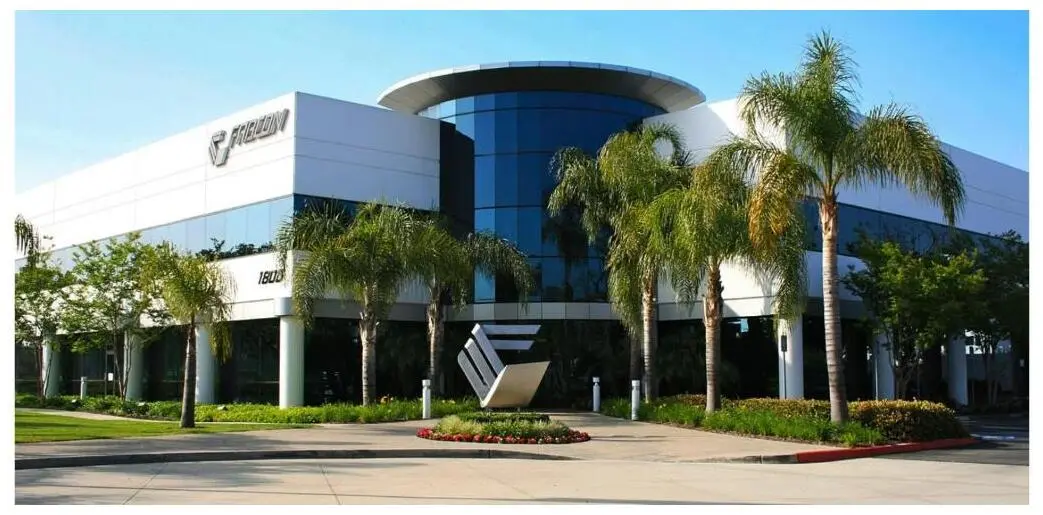
Fabcon has operated as a precision sheet metal fabrication and assembly partner since 1977, serving data center, telecom, energy storage, EV infrastructure and industrial OEM programs from 220,000 square feet of vertically integrated U.S. manufacturing space. Fabcon holds ISO 9001:2015 and AS9100D certifications and supports programs from prototype through production with in-house DFM engineering, fabrication, finishing and electromechanical assembly under one roof.
The recommended next step involves an internal needs assessment against the six evaluation criteria, followed by a supplier consultation to confirm that the manufacturer’s capabilities align with the program’s technical, compliance and schedule requirements. Start a supplier consultation with Fabcon.