
Last updated: July 15, 2026
Key Takeaways for Sheet Metal NPI Programs
- Contract manufacturing NPI support guides precision sheet metal and light electromechanical products from design through validated, repeatable production with early engineering involvement and traceable quality systems.
- The NPI process includes feasibility and DFM reviews, EVT/DVT prototyping, PVT process validation and production launch with deliverables such as DFM reports, FAI, PFMEA and PPAP packages.
- Early DFM collaboration delivers the strongest impact, because it catches design issues like bend relief, weld access and tolerance stack-ups while changes remain inexpensive.
- Vertical integration and domestic proximity reduce handoffs, speed ECO cycles and strengthen quality ownership compared to multi-vendor or offshore models.
- Start an NPI quote with Fabcon to launch programs with a single accountable U.S. partner offering ISO 9001:2015, AS9100D and ITAR-certified support.
How NPI Works in Manufacturing
New Product Introduction (NPI) is the end-to-end sequence that takes a product from concept through design, prototyping, validation and full-scale production. It extends beyond product development and covers production planning, supply chain preparation and commercialization. The eight-step framework below reflects standard practice for precision sheet metal and light electromechanical programs.
Step-by-Step NPI Process in Contract Manufacturing
Each phase of the NPI framework carries specific deliverables that a contract manufacturer must own and document. The table below maps major phases to their sheet-metal-specific outputs.
| Phase Group | Sheet Metal Considerations | Key Deliverables |
|---|---|---|
| Feasibility & DFM | Bend relief geometry, grain direction, weld access clearance | DFM report, MBOM, material selection |
| Prototyping (EVT/DVT) | Production-intent routing (CNC press brake, robotic cells) to surface springback and weld distortion early | Functional prototypes, dimensional check, updated BOM |
| Pilot & Process Validation (PVT) | Hardware insertion verification, fixture validation, tolerance stack-up analysis | FAI per AS9102, PFMEA, control plan, CPK studies |
| Production Launch & Sustaining | SPC on critical features, process capability monitoring, ECO governance | PPAP package, work instructions, corrective action records |
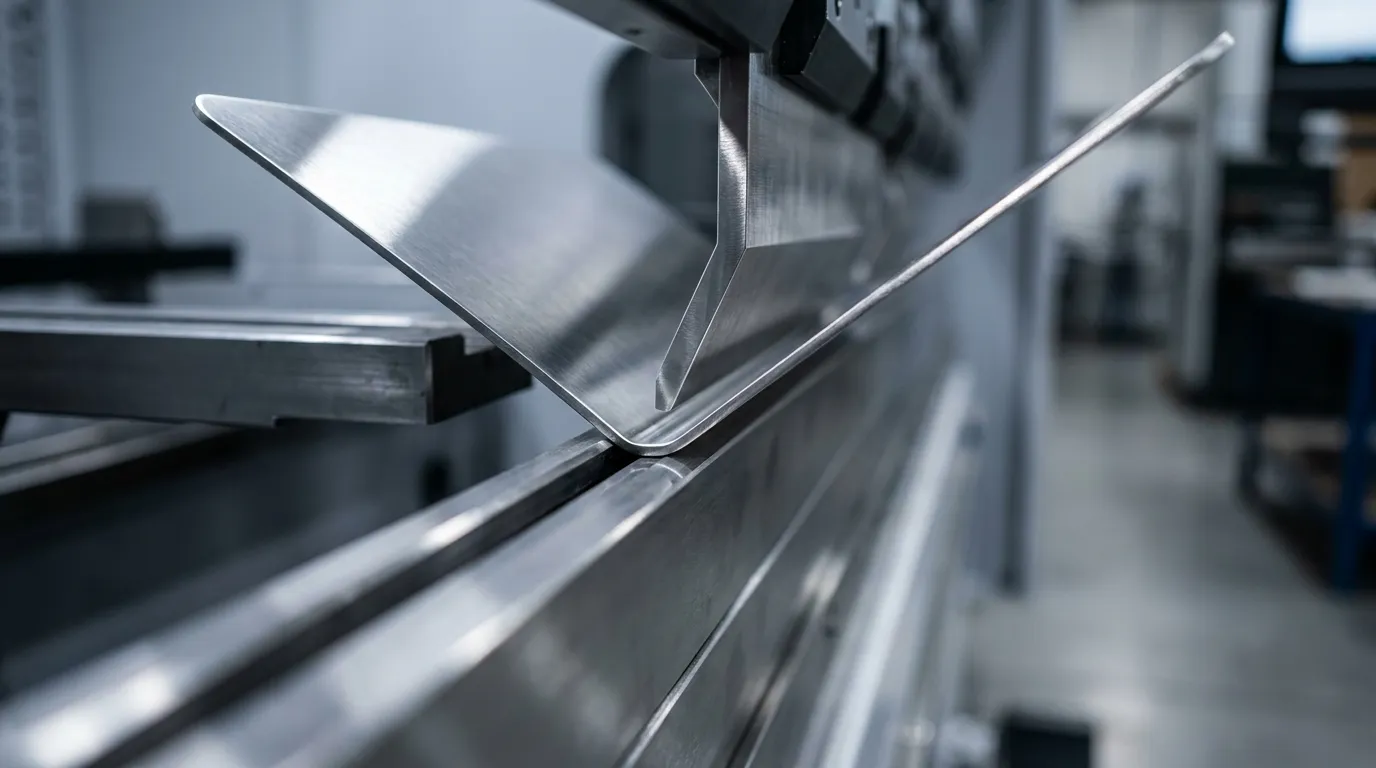
Prototypes built with production-intent material and routing reveal issues like springback and weld distortion while corrections remain fast and low cost.
Design for Manufacturability in Contract Manufacturing
DFM collaboration drives the largest cost and schedule impact in NPI. A formal NPI process that includes DFM reviews catches design issues long before production ramp, when changes cost far less. For precision sheet metal, a thorough DFM review examines bend relief placement, weld access geometry, hardware insertion sequence and tolerance stack-up across mating components.
Fabcon engineering and quoting teams collaborate with customer technical teams before any metal is cut. They review drawings, tolerances and materials to create manufacturing routers and work instructions tailored to the production floor. Because fabrication, finishing and assembly operate under one roof, DFM feedback loops move quickly. No separate coating vendor or assembly house must flag a fit issue after the fact.
Single-source fabrication partners improve DFM outcomes during NPI by reviewing the full sequence of operations, including laser cutting, forming, hardware installation and finishing, together, which enables early identification of issues such as hole placement, bend relief and grain direction. Fabcon ISO 9001:2015 and AS9100D certified quality systems provide the traceability infrastructure that regulated industries require, with integrated QA spanning the entire build.
Mid-Volume Agility in NPI Contract Manufacturing
Mid-volume NPI programs need more engineering depth than a job shop and more flexibility than a global contract manufacturer. Job shops handle simple metal parts but lack the engineering depth for DFM and cannot manage electromechanical integration. Large global contract manufacturers impose high minimum volumes, long onboarding cycles and rigid production lines that cannot adapt to evolving BOMs.
Domestic proximity compresses engineering change order cycles and reduces the freight exposure that offshore programs carry. That speed advantage compounds when the domestic partner also offers production flexibility.
Fabcon flexible production cells adapt to changing volumes, mixed SKUs and evolving BOMs without the overhead rigidity of top-tier global CMs. A single partner manages engineering, fabrication, finishing and assembly, so engineering change orders propagate across all operations in parallel with synchronized documentation.
Common NPI Mistakes Contract Manufacturers Make
Several recurring failure points appear across NPI programs for precision sheet metal and light electromechanical assemblies. Each mistake has a clear consequence and a practical mitigation.
- Skipping DFM before design freeze. Without early DFM review, issues like insufficient bend relief or poor weld access stay hidden until tooling is committed, when fixes cost far more. Conduct DFM at the earliest design stage possible.
- Using manual prototype processes instead of production-intent routing. Manual methods hide problems like springback and weld distortion that only appear under production conditions, which creates surprises during pilot build. Apply CNC press brake and robotic cells from the first prototype build to surface these issues early.
- Late supplier engagement. Engaging the CM after design freeze forces DFM feedback to be retrofitted instead of built into the design, which increases rework and delays launch. Involve the contract manufacturer at the concept stage.
- Undocumented assembly steps. Missing or informal assembly steps cause variation, rework and quality escapes during pilot builds. Require complete work instructions before pilot build sign-off.
- Single-source components with no qualified alternate. Sole-source parts expose programs to shortages and long recovery times after disruptions. Build an approved vendor list with at least one qualified alternate for every critical component.
- Tolerance stack-up analysis deferred to production. Deferring stack-up work allows small variations to accumulate into fit failures, especially in assemblies with three or more mating components. Run a stack-up analysis on critical mating dimensions before tooling commitment.
- Switching contract manufacturers between EVT and production ramp. Changing suppliers midstream resets learning curves and documentation, which increases risk during ramp. Engage the eventual volume CM from the prototype stage.
Production-Readiness Checklist for Sheet Metal NPI
A production-readiness assessment confirms that design, process, supply chain and quality systems align before volume ramp. The checklist below reflects standard gate criteria for precision sheet metal and light electromechanical programs.
- DFM report completed and all critical findings closed before design freeze
- Prototypes fabricated using production-intent material and routing
- MBOM validated with alternate sources identified for long-lead or single-source components
- Tolerance stack-up analysis completed on all critical mating features
- Work instructions and assembly documentation reviewed and approved
- First Article Inspection (FAI) completed per AS9102 with all characteristics accounted for
- PFMEA and control plan in place with risk priority numbers assigned
- Pilot build executed on production-intent equipment with yield data documented
- PPAP package prepared at the appropriate submission level for the program
- SPC established on critical features with process capability confirmed
- ECO governance process defined and active before production release
- Quality certifications (ISO 9001:2015, AS9100D as applicable) confirmed for the program
Request a technical review from Fabcon engineering to assess production readiness for an active program. Schedule a readiness assessment with Fabcon and align the next build.
The Value of an Integrated U.S. Manufacturing Partner
Availability of a sufficient quantity and quality of U.S. workforce is the top reason OEMs cite for reshoring, ahead of tariffs, taxes, regulations and currency. Locating manufacturing near engineering also speeds prototyping, DFM iterations, engineering change orders and ramp-up yield because physical distance between design and production slows these activities. Customer expectations now emphasize traceability, assurance and supplier accountability alongside price.
Fragmented vendor models introduce revision control risk, inter-supplier finger-pointing on quality issues and cumulative lead time that compounds across each handoff.
Fabcon vertically integrated model spans in-house engineering, laser cutting, CNC punching, forming, welding, CNC machining, finishing and light electromechanical assembly. It provides one accountable partner from prototype through mid-volume production. Operating across 220,000 square feet of U.S. manufacturing space with ISO 9001:2015, AS9100D and ITAR registration, Fabcon supports data center, energy storage, aerospace and defense, medical device and EV infrastructure programs that demand precision, traceability and agility in equal measure.
For NPI program leads and supply chain directors evaluating contract manufacturing partners, the prototype-to-production transition is where single-partner integration delivers its clearest return. Programs gain fewer handoffs, faster ECO cycles, consistent quality ownership and a production-readiness posture built from the first DFM review. Connect with Fabcon NPI specialists to discuss the next launch.
Frequently Asked Questions
What does contract manufacturing NPI support include for precision sheet metal programs?
Contract manufacturing NPI support for precision sheet metal programs covers the full sequence from initial DFM review through validated, repeatable production. It includes engineering collaboration on bend relief, weld access and hardware insertion geometry, prototype fabrication using production-intent routing, first article inspection, PFMEA and control plan development, pilot builds with documented yield data, PPAP preparation and sustaining engineering after launch. A capable partner also manages BOM validation, alternate component identification and ECO governance throughout the program.
Why does early DFM collaboration matter for sheet metal NPI?
DFM collaboration at the concept or early design stage allows a contract manufacturer to identify manufacturability risks before tooling is committed. Design changes at the DFM stage cost a fraction of what they cost after first article inspection or during production ramp because no hard tooling has been cut and no production routing has been locked in. For light electromechanical assemblies, early DFM also ensures that sheet metal enclosures and structural components accommodate wiring routes, connector placements and assembly sequence requirements, which reduces integration issues at the box-build stage.
How does vertical integration reduce NPI risk compared to a multi-vendor approach?
Vertical integration consolidates fabrication, finishing and assembly under one roof, which removes handoff delays and revision mismatches between separate vendors. A single partner owns the full sequence of operations, including laser cutting, forming, hardware installation, coating and electromechanical assembly, so when a fit issue appears during assembly, root-cause tracing happens in hours instead of days of back-and-forth. That speed matters most during pilot build, when every delay pushes the launch timeline.
What quality certifications should a contract manufacturing NPI partner hold for regulated industries?
For precision sheet metal and light electromechanical assemblies serving regulated industries such as aerospace and defense, medical devices and energy infrastructure, a contract manufacturing NPI partner should hold ISO 9001:2015 as a baseline quality management certification. AS9100D certification is the standard for aerospace and defense programs and requires full traceability, documented process controls and rigorous corrective action systems. ITAR registration is required for programs involving defense-related technical data or hardware. Compliance with UL and CSA standards is relevant for electrical enclosures and power distribution assemblies. These certifications confirm that the partner quality systems can support FAI, PPAP and production traceability requirements from the first prototype build.
When should an NPI program lead engage a contract manufacturer in the development process?
A contract manufacturer should be engaged at the concept or early design stage, before any hardware is built. Engaging the eventual volume CM during design allows DFM feedback to be incorporated into the design instead of retrofitted after tooling is committed. It also enables the CM to begin BOM validation, identify long-lead or single-source component risks and establish the manufacturing routing that will carry through from prototype to production. Programs that engage a CM only after design freeze often encounter higher rework rates, longer pilot build cycles and greater risk of switching suppliers mid-program, which can add time and cost to the NPI timeline.