
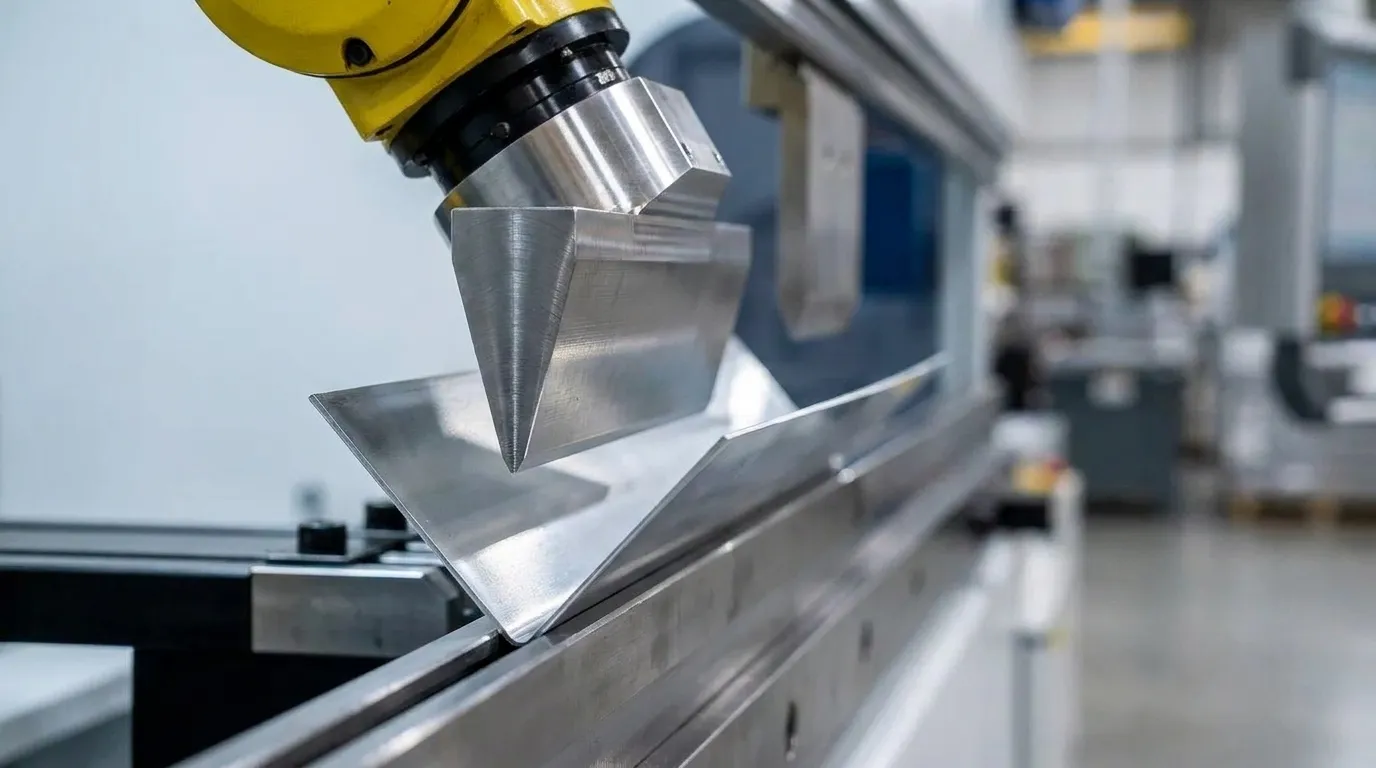
Key Takeaways for Agile Contract Manufacturing
- Agile contract manufacturing supports rapid response to changing demand, design or volume through flexible scaling and modular workflows.
- Fragmented supply chains and multiple vendor handoffs create delays, quality disputes and accountability gaps that increase program risk.
- Early DFM collaboration between engineering and manufacturing teams reduces costly late-stage rework and protects prototype-to-production continuity.
- Traditional contract manufacturers often impose high minimums and rigid structures that make mid-volume, high-mix programs inefficient or uneconomical.
- Get a quote from Fabcon to evaluate a vertically integrated U.S. partner that consolidates fabrication, finishing and assembly in one facility.
Supply Chain Fragmentation and Vendor Handoff Delays
Separate vendors for fabrication, finishing, wiring and assembly multiply coordination risk. Each handoff introduces potential delay, quality disputes and gaps in accountability. A January 2026 RELEX Solutions survey of more than 500 supply chain leaders found that 57% of manufacturers identified raw materials and components as the supply-chain area most affected by recent disruptions, and 89% of manufacturers report material impact from tariffs and trade policy changes, according to RELEX Solutions’ 2026 State of the Supply Chain report. A fragmented vendor base amplifies every one of those disruptions.
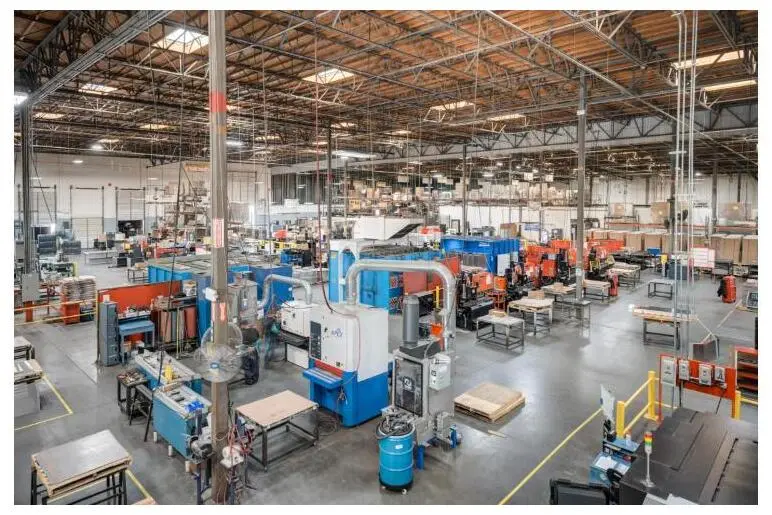
Consolidation addresses this vulnerability directly. Fabcon brings fabrication, finishing and light electromechanical assembly into a single operation. One purchase order and one accountable partner replace multi-vendor coordination. That structure cuts handoff delays and reduces the quality disputes that multi-vendor programs generate.
Design-to-Manufacture Disconnects Between Engineering and Production
Separate engineering and manufacturing organizations increase the risk of designs that fight the shop floor. Tolerances, geometries or material selections often drive rework once production begins. A commonly cited but disputed figure holds that up to 70% of a product’s total cost is determined during the design phase; rigorous studies question its empirical basis. Late-stage DFM corrections still rank among the most expensive problems a program can face.
Fabcon in-house engineering and quoting teams collaborate with customer technical teams before production starts. They review drawings, tolerances and materials to build manufacturing routers aligned with real floor capabilities. That early alignment reduces rework and improves cost efficiency. It also protects prototype-to-production continuity. Changing suppliers between prototype and production resets accumulated learning on tooling, DFM decisions, inspection history and process optimization, which drives unnecessary delays and qualification costs. Fabcon integrated model avoids that reset.
Scaling Rigidity, High Minimums and Mid-Volume Programs
Traditional manufacturing options often force a binary choice. Job shops lack the infrastructure to scale. Large contract manufacturers require high minimums and extended onboarding that make mid-volume, high-mix programs uneconomical. Large EMS providers optimized for long production runs with stable BOMs treat high-mix low-volume programs as scheduling problems, which results in inflated setup fees, queued lead times and builds handled as favors rather than core work.
Fabcon uses flexible production cells that adapt to changing volumes, mixed SKUs and evolving BOMs. On the volume-variety continuum, mid-volume high-mix production aligns with agile and cellular approaches that balance flexibility for product families with efficient changeovers. Fabcon facility follows that model. Programs scale from prototype to mid-volume production without the overhead rigidity common in top-tier global CMs.
Quality, Traceability and Regulated Industries
High-stakes industries such as data centers, energy storage, medical devices and aerospace require consistent quality and full traceability. Quality failures carry regulatory and safety consequences. Vendors that manage only one process in a multi-step build cannot provide end-to-end traceability. Inspection gaps between suppliers create liability exposure that procurement teams must manage.
Fabcon operates under ISO 9001:2015 and AS9100D certified quality systems. Every stage of the build, including fabrication, finishing and assembly, follows integrated QA with full traceability and compliance with UL and CSA standards. Medical device and aerospace procurement teams can use that documentation to satisfy strict regulatory requirements without tracking records across multiple vendors.
Time-to-Market Pressure and Integrated Operations
Gartner research found that manufacturers applying agile NPD methodologies reduced average time to market compared to traditional stage-gate approaches. Internal integration drives that advantage. When quoting, prototyping, fabrication and assembly occur in one operation, teams avoid third-party schedules and shipments between vendors.
Fabcon integrated structure compresses quoting cycles, accelerates prototyping and keeps ramp-up on schedule. For programs in data centers, energy storage or traffic safety with launch timelines tied to infrastructure commitments, that compression delivers a material competitive edge.
Realizing these advantages requires contract structures that support the flexibility agile manufacturing demands. Traditional fixed-price agreements often conflict with evolving scope and variable volumes, so contract design must match program behavior.
Get a quote and see how Fabcon integrated model fits specific program timelines.
Five Contract Types That Fit Agile Manufacturing Programs
Agile manufacturing programs benefit from contract structures that accommodate evolving scope, variable volume and iterative delivery. Five contract types align with these conditions.
- Time-and-materials (T&M): Reimburses established labor rates plus actual material costs. Works well for early-stage programs with undefined scope. A not-to-exceed clause helps control buyer cost risk.
- Fixed price with incentive fee (FPIF): Sets a target cost and ceiling price with a shared savings or overrun formula. Aligns buyer and supplier incentives on programs with moderate uncertainty.
- Cost plus incentive fee (CPIF): Reimburses allowable costs and ties the supplier fee to schedule, cost or technical performance targets. Fits programs where scope will evolve quickly.
- Framework agreements with agile statements of work: A master service agreement provides enterprise-level stability. Project-level SOWs enable flexibility across multiple workstreams. This structure supports scaling mid-volume, high-mix programs over time.
- Incremental delivery contracts: Tie payments to accepted deliverables produced in stages. Reduce risk for both parties by linking compensation to verified outputs rather than hours worked.
The appropriate structure depends on program maturity, scope definition and expected volume variability. Procurement managers should assign risk to the party best positioned to control it, since placing maximum risk on a supplier for undefined-scope work produces inflated bids.
Step-by-Step Agile Contract Manufacturing Process
A well-structured agile contract manufacturing process follows a clear sequence that connects design intent to production output without gaps between stages.
- DFM collaboration: Engineering and quoting teams review drawings, tolerances and materials with the customer before production begins. Teams resolve issues at the lowest-cost stage.
- Prototype build: A quick-turn prototype validates the design against manufacturing constraints and customer specifications. Feedback loops stay short because fabrication, finishing and assembly occur in one operation.
- First article inspection: Quality systems verify dimensional accuracy, finish standards and assembly alignment before volume production receives authorization.
- Ramp-up: Flexible production cells scale output incrementally. BOMs and volumes can adjust without supplier requalification or repeated onboarding.
- Steady-state production: Ongoing quality management, real-time tracking and responsive engineering support sustain consistency across production runs.
Types of Agile Contract Manufacturing Companies
The contract manufacturing market divides into three broad categories, each with structural limits for mid-volume, high-mix programs.
Low-complexity job shops operate as transactional, build-to-print vendors. They handle basic fabricated parts but lack engineering depth for DFM and cannot manage electromechanical assembly. Customers must coordinate a fragmented vendor base for any finished product that requires coating, wiring or integration.
Mid-tier providers offer more capability than job shops but vary in vertical integration, quality certification and engineering support. Program continuity from prototype to production does not always hold.
Large global contract manufacturers carry significant infrastructure and focus on high-volume, stable-BOM programs. As discussed earlier, large CMs route many mid-volume programs through shared high-volume lines, which creates the scheduling conflicts their infrastructure aims to avoid. Mid-volume programs sit outside their core business.
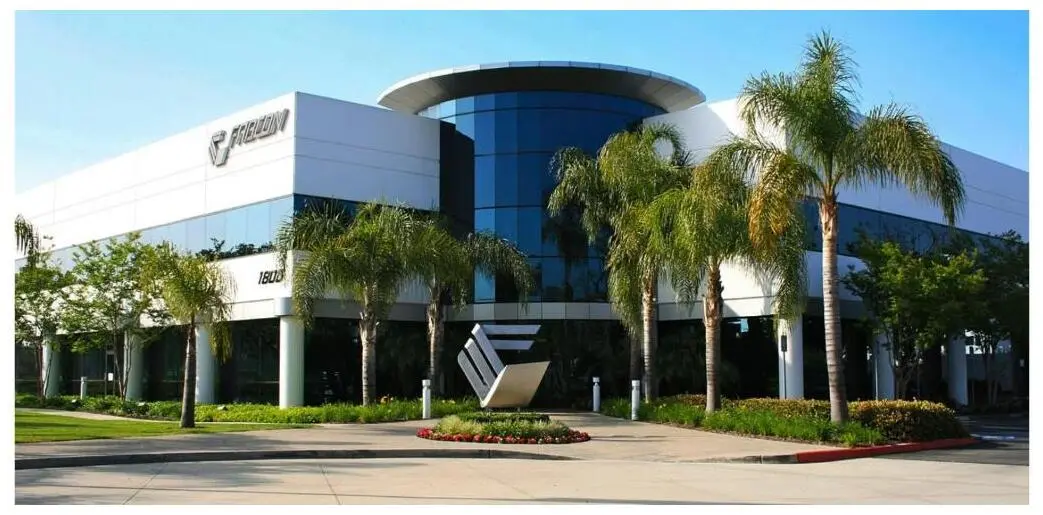
Fabcon occupies the middle ground. The company combines engineering depth, integrated operations and robust quality systems with the responsiveness and flexibility that mid-volume, high-mix programs require.
Checklist for Choosing an Agile Contract Manufacturer
Evaluating a contract manufacturing partner for an agile program works best when the review focuses on structural capabilities, not only price. This checklist supports that assessment.
- In-house DFM collaboration available before production begins
- Integrated fabrication, finishing and assembly with a single point of accountability
- Flexible production cells that support variable volumes and mixed SKUs without high minimums
- ISO 9001:2015 and/or AS9100D certification with quality systems spanning the full build
- Prototype-to-production continuity without supplier requalification
- U.S.-based manufacturing with domestic engineering support and supply chain visibility
- Documented experience in the relevant industry vertical, such as data centers, energy storage, medical devices, traffic safety or aerospace
- Responsive quoting and engineering change order implementation
When engineering changes remain frequent, multiple processes require coordination or schedule risk runs high, a true manufacturing partner often outperforms a transactional supplier even at a moderately higher price.
Conclusion: Reducing Total Program Risk with Agile Manufacturing
Agile contract manufacturing fits infrastructure and technology programs that need mid-volume, high-mix production with design flexibility, quality traceability and simpler supply chains. A McKinsey analysis found that manufacturers with adaptive operational models recovered from supply chain shocks faster than those relying on rigid planning structures. The structural advantage of a vertically integrated U.S. partner that spans engineering, fabrication, finishing and assembly becomes most pronounced when programs involve evolving BOMs, compressed launch timelines or regulatory traceability requirements.
Procurement and engineering teams can evaluate prospective partners against the checklist above. The right partner reduces total program risk, not only unit cost.
Get a quote from Fabcon and apply the checklist to a current or upcoming program.
Frequently Asked Questions
What makes agile contract manufacturing different from standard contract manufacturing?
Standard contract manufacturing typically relies on fixed production lines optimized for stable, high-volume programs with consistent BOMs. Agile contract manufacturing uses flexible production cells, modular workflows and integrated engineering support to handle variable volumes, mixed SKUs and frequent design changes. The key structural difference centers on responsiveness. An agile model adjusts to evolving program requirements without long onboarding cycles, high minimums or rigid scheduling. For mid-volume, high-mix programs in sectors such as data centers, energy storage or medical devices, that flexibility functions as a core requirement.
How does vertical integration support agile manufacturing programs?
Vertical integration places fabrication, finishing and assembly in one facility with one accountable partner. That structure removes vendor handoff delays, reduces quality disputes between suppliers and compresses quoting and prototyping cycles. When engineering, fabrication and assembly teams share the same facility and quality systems, DFM feedback loops shorten and engineering change orders move faster. Program visibility also improves. For operations leaders managing compressed launch timelines, vertical integration replaces multi-vendor coordination overhead with a single, transparent workflow.
What industries benefit most from agile contract manufacturing with a U.S.-based partner?
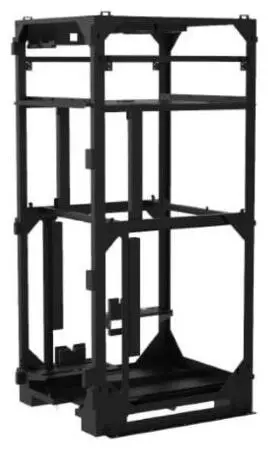
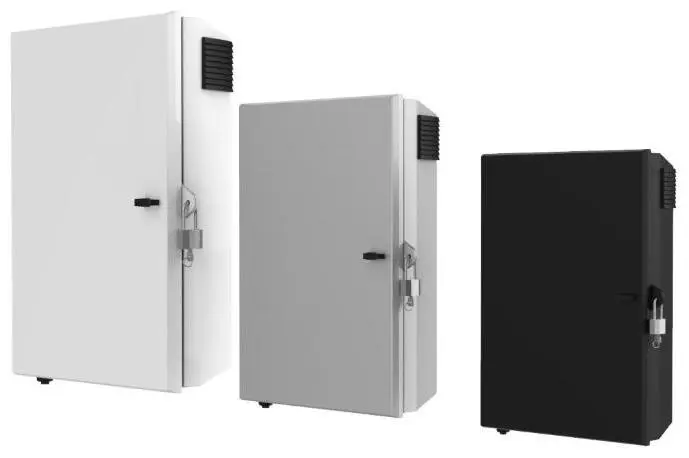
Industries that combine high design complexity, regulatory traceability requirements and variable demand profiles gain the most benefit. Data center infrastructure programs require modular enclosures and structural systems that adapt to evolving rack configurations and deployment scales. Energy storage and power distribution programs need weatherproof enclosures with integrated electromechanical assembly. Medical device programs require precision fabricated assemblies with full traceability across every build stage. Aerospace and defense programs demand AS9100D-certified quality systems and ITAR compliance. Traffic safety and transportation programs require durable, infrastructure-grade components built to compliance standards. A U.S.-based partner also reduces exposure to international shipping disruptions and geopolitical supply chain risk, which remain central factors in 2025 and 2026 planning cycles.
What should engineering teams look for when evaluating a contract manufacturer for a new product introduction?
Engineering teams benefit from partners that offer DFM collaboration before production begins as a standard intake step. Prototype-to-production continuity matters because, as noted earlier, switching suppliers resets the accumulated process knowledge that continuity preserves. Quality certification, including ISO 9001:2015 for general manufacturing and AS9100D for aerospace-adjacent programs, should span the full build, not only fabrication. Engineering change order responsiveness provides a practical indicator of agility. A partner that implements ECOs quickly without disrupting production schedules operates differently from one that treats changes as exceptions. In-house finishing and assembly capability also determines whether the partner delivers a finished product or only a fabricated component.
How does Fabcon support programs that need to scale from prototype to production?
Fabcon supports programs across the full development arc, from quick-turn prototypes through ramp-up and steady-state production, without supplier requalification at each stage. The in-house engineering team collaborates on DFM during quoting, so manufacturability decisions occur before the first part is cut. Flexible production cells allow volume to increase incrementally as program demand grows, without the high minimums or rigid scheduling common at large CMs. Because fabrication, finishing and light electromechanical assembly remain internal, Fabcon maintains end-to-end quality traceability and program visibility from prototype through production. That continuity reduces risk for NPI program leads managing aggressive launch timelines.