
Key Takeaways
- Sheet metal contract manufacturing outsources full production of precision metal parts, enclosures and light electromechanical assemblies to a specialized partner.
- Selecting the right partner shapes long-term program performance because the wrong choice creates fragmented vendors, design disconnects and hidden costs.
- This guide presents a six-criteria framework covering technical capabilities, integration scope, quality and compliance, scalability and flexibility, supply chain and logistics and cost versus total value.
- Key factors include certifications such as AS9100 and ISO 9001, benefits of vertical integration, U.S. reshoring advantages and DFM practices that cut cost and lead time.
- Connect with Fabcon to review vertically integrated U.S. manufacturing options for upcoming sheet metal programs.
1. What Sheet Metal Contract Manufacturers Provide
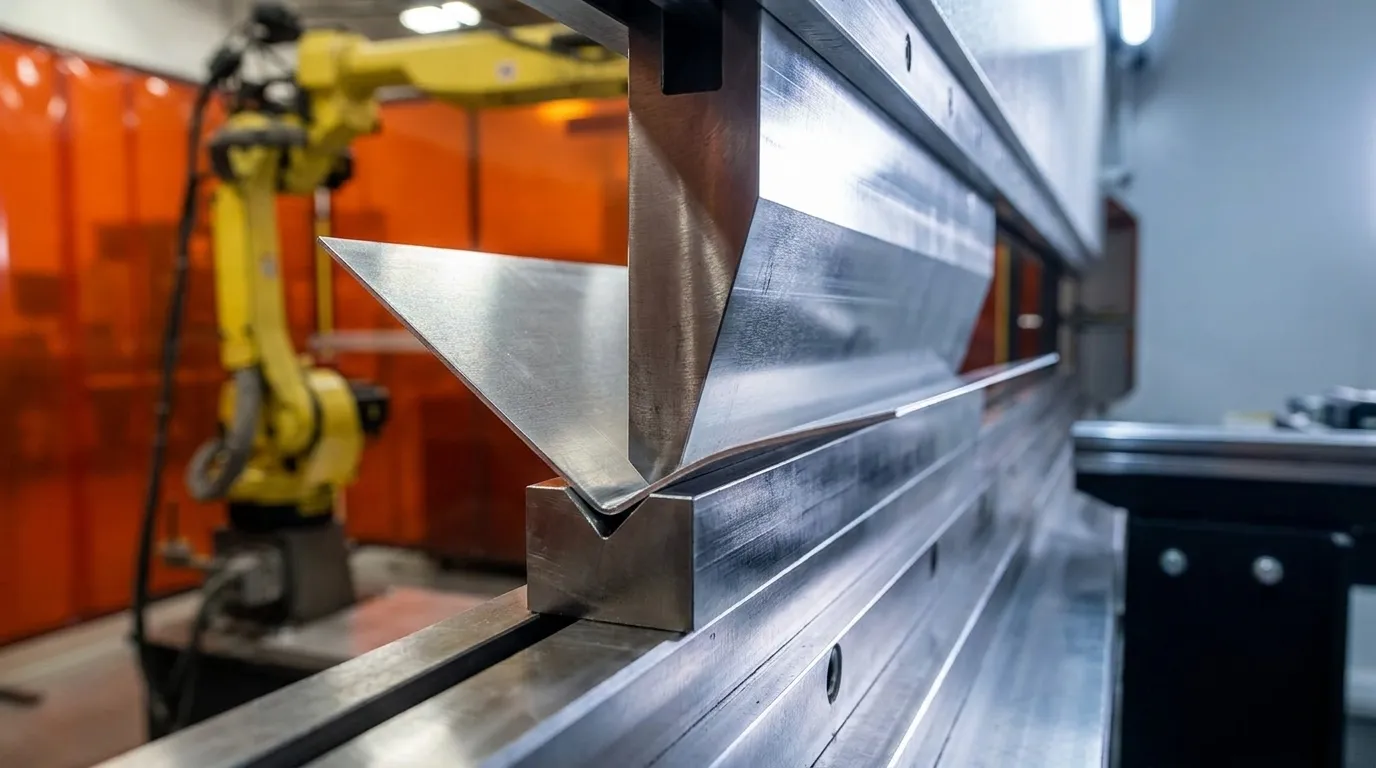
Sheet metal contract manufacturing covers a broader scope than basic fabrication. A capable partner delivers laser cutting, CNC punching, forming, certified welding, finishing, CNC machining and light electromechanical assembly under one roof.
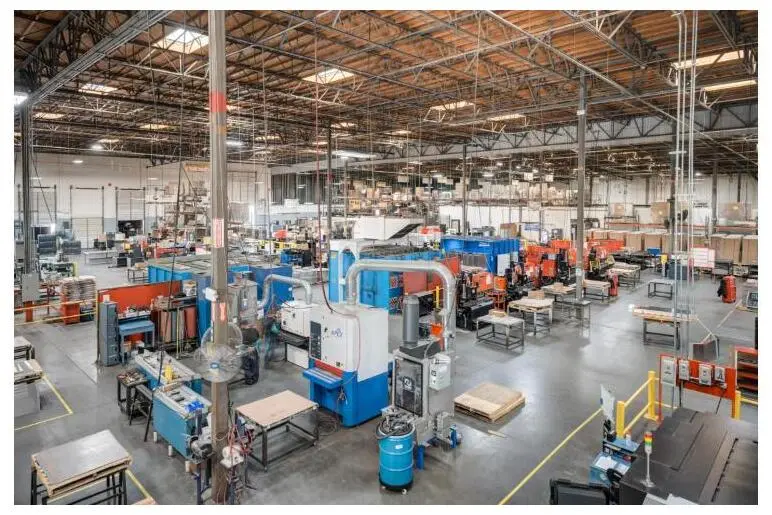
This breadth of capability supports the contract manufacturing model. A contract manufacturer operates under ongoing agreements with forecasted volume and recurring production schedules. It builds systems for repeatable quality, documented routings and reserved capacity.
This structure differs from a job shop that quotes each order individually and focuses on prototypes or urgent one-off work. Contract manufacturing suits recurring production where consistency, documentation and capacity planning matter.
A single-source partner that performs both custom metal fabrication and precision machining in-house reduces supplier handoffs and inter-facility freight. It also simplifies engineering changes and creates single-point accountability across the full build.
2. How to Choose a Partner: The Six-Criteria Evaluation Framework
A structured evaluation framework keeps partner selection focused on long-term program performance instead of unit price alone. The following six criteria align capabilities, risk and cost with program needs.
Criterion 1: Technical Capabilities
Partner selection starts with in-house technical scope. The partner’s processes should cover the full fabrication range a program requires.
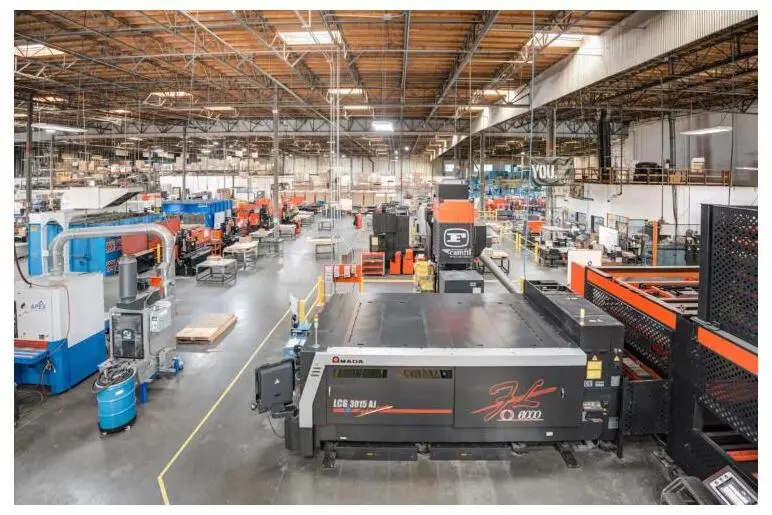
Key checks include which capabilities run in-house, what equipment supports them and which steps rely on subcontractors. A fabrication-heavy project sent to a shop with limited forming or finishing capacity faces higher setup costs, longer production times and higher total cost.
Criterion 2: Integration Scope
Vertical integration reduces vendor handoffs that create delays and quality disputes. An effective scope includes fabrication, finishing, CNC machining and light electromechanical assembly.
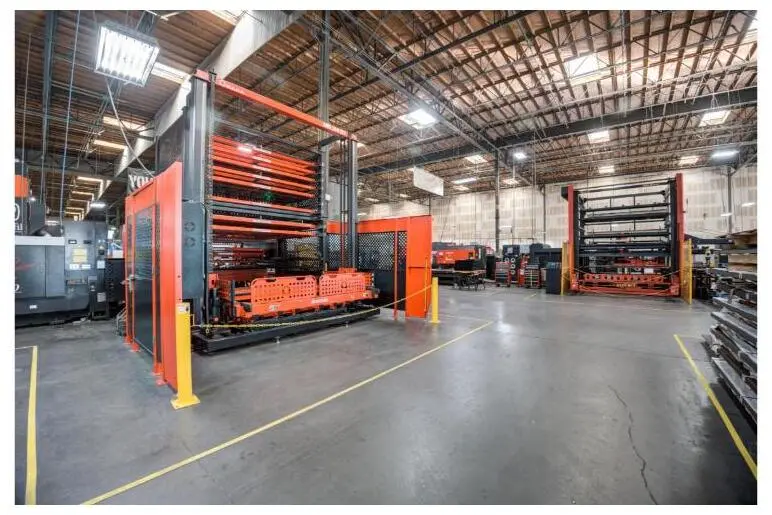
Programs that use fabricated frames with machined mounting surfaces, welded assemblies with precision-machined components or sheet metal enclosures with machined interfaces gain from an integrated fabricator-machinist. A single partner replaces separate specialized suppliers and keeps responsibility clear.
Criterion 3: Quality and Compliance
Certifications signal process control and audit readiness. For aerospace and defense programs, AS9100 with ISO 9001 forms the baseline quality system for a sheet metal fabricator. For commercial and industrial work, ISO 9001 alone provides the essential foundation.
When parts involve controlled technical data, the supplier must hold ITAR registration. Medical programs require full traceability and documentation that support FDA-regulated applications.
Criterion 4: Scalability and Flexibility
Scalability determines how a program moves from prototype to production. Large global contract manufacturers often require high minimum volumes and long onboarding cycles, which limits gradual scaling.
At the other end, low-complexity job shops lack the infrastructure to support volume growth. The right mid-tier partner bridges this gap with agile production cells that adapt to changing volumes, mixed SKUs and evolving bills of materials without the overhead of global CMs.
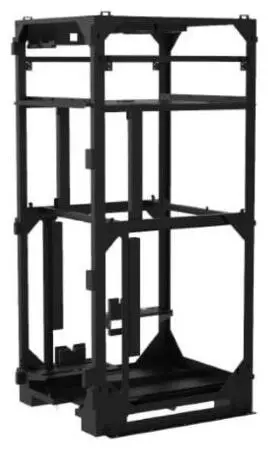
Prototype unit costs for sheet metal parts often run higher than production pricing because setup, programming and fixturing are not yet amortized. A partner that manages this transition efficiently reduces total program cost.
Criterion 5: Supply Chain and Logistics
Vendor consolidation reduces coordination risk and administrative load. One purchase order that covers fabrication, finishing and assembly shortens quoting cycles and eliminates inter-vendor freight.
This structure also creates a single point of accountability. Evaluation should confirm whether the partner offers JIT delivery, fulfillment and logistics support as part of the standard model.
Criterion 6: Cost Versus Total Value
Total Cost of Ownership analysis captures the full financial impact of a sourcing decision. The 2025 USA Reshoring Survey found that shifting to TCO analysis would reshore billions more in manufacturing.
TCO includes rework, warranty costs, delivery delays and coordination overhead that a lower unit price does not reflect. Contract manufacturers’ customers that reshored cited Quality/Rework/Warranty, Delivery Time and reduced Supply Chain Disruptions as primary drivers.
3. Cost Drivers and Total Cost of Ownership
Material typically accounts for 40–60% of total sheet metal part cost, followed by part complexity and surface finish. These variables can be shaped through early DFM collaboration.
A partner that engages engineering before drawings are released reduces rework and improves cost efficiency across the production run. Early collaboration aligns design intent with machine capability.
TCO analysis also includes inbound freight, customs duties, inventory carrying costs and the cost of supply chain disruptions. Many OEMs accept a higher unit price to shorten delivery times compared with surface freight from Asia to the Midwest.
A U.S.-based vertically integrated partner removes many of those freight variables and reduces the risk exposure they create.
4. DFM Best Practices for Sheet Metal Programs
Effective DFM collaboration starts early so manufacturing constraints shape the design before prototyping. Bend radius, material thickness and hardware compatibility should appear in the design from the outset.
Specific practices that reduce cost and lead time include:
- Using standard gauge sheet metal thicknesses to cut material cost and shorten lead times compared with custom thicknesses that require special orders and minimum quantities.
- Reducing bend count because parts with fewer bends run faster than those with many bends.
- Using the fabricator’s actual material thickness, bend radius and K-factor in CAD instead of software defaults to align design intent with shop-floor results.
- Adding tabs, slots, self-jigging features and PEM hardware instead of welded nuts to simplify assembly and reduce labor cost.
- Sending both the 3D model and the 2D drawing so the model communicates form and fit while the drawing specifies tolerances, finish and special instructions.
Early involvement from a precision sheet metal fabricator supports better choices on material selection and machine capabilities. It also helps avoid welding issues such as material shrinkage, complex fixtures, misalignment and cracking.
5. Quality and Compliance Requirements by Sector
Quality requirements vary by industry but share a common foundation in documented systems and traceability. A partner’s certifications indicate broader process control and audit readiness across ISO 9001, AS9100 and specialized accreditations.
Medical programs require material certifications, lot traceability, dimensional inspection reports and First Article Inspection documentation formatted to support the Device History Record. Energy and transportation programs benefit from environmental and safety management system alignment, which strengthens supply chain resilience.
Modern quality verification often includes automated optical inspection and CMM measurement. FAI reports and material certifications support supplier qualification workflows and ongoing audits.
6. U.S. Versus Offshore Sourcing Decisions
Reshoring momentum continues to grow. Annual reshoring and FDI manufacturing jobs announced rose from about 11,000 in 2010 to 244,000 in 2024. In addition, 59% of contract manufacturers have reshored work, are reshoring or are quoting reshoring projects.
Offshore sourcing carries costs that FOB pricing does not show, including extended lead times, customs exposure, quality documentation gaps and disruption risk. U.S.-based manufacturing supports ITAR compliance, DFARS requirements and traceability standards for regulated industries.
7. Scaling from Prototype to Production
Scaling from prototype to mid-volume production with one partner protects schedule and quality. Each vendor transition introduces rework risk, re-qualification costs and schedule exposure.
A partner with agile production cells and in-house engineering support maintains continuity as volumes change. Contract manufacturers build systems for repeatable processes, documented routings, material planning and reserved capacity that support this shift.
Evaluation should confirm that the production model supports high-mix programs and evolving bills of material without high minimums or long onboarding cycles.
What to Provide for a Quote
A complete quote package accelerates response time and improves accuracy. Include the following:
- 3D CAD files in STP/STEP, Parasolid or native SolidWorks format
- 2D drawings with tolerances, finish specifications and revision control
- Material specifications and any required certifications
- Hardware callouts and installation notes
- Welding symbols and grain direction requirements
- Masking or finish requirements
- Target volumes for prototype and production phases
- Program timeline and delivery requirements
- Applicable compliance or certification requirements (AS9100D, ITAR, ISO 9001)
Frequently Asked Questions
What is the difference between a job shop and a sheet metal contract manufacturer?
A job shop organizes equipment by function and quotes each order individually. It focuses on prototypes, one-off parts and urgent custom work.
A contract manufacturer operates under ongoing agreements with forecasted volume, documented routings and reserved capacity. It often expands scope to include assembly, finishing, testing and engineering support, which job shops typically do not provide.
For programs that must scale from prototype to mid-volume production, a contract manufacturer offers the process infrastructure and accountability that a job shop lacks.
How does vertical integration reduce total cost of ownership in sheet metal manufacturing?
Vertical integration removes markups, freight costs and scheduling delays that appear when fabrication, finishing and assembly sit with multiple vendors. Each handoff adds a point where quality can slip and accountability becomes unclear.
A single partner that manages the full build under one roof compresses lead times, cuts coordination overhead and creates one contact for quality issues. When TCO includes rework, warranty costs and disruption risk, a vertically integrated U.S. partner often delivers stronger value than a lower-priced offshore or fragmented domestic chain.
What certifications should a sheet metal contract manufacturer hold for aerospace, defense and medical programs?
For aerospace and defense programs, AS9100D and ISO 9001:2015 form the baseline quality standards. ITAR registration is required when parts involve controlled technical data.
Government contracting also requires a CAGE Code and active SAM.gov registration. Medical programs need full material traceability, First Article Inspection documentation and quality systems that support FDA-regulated applications.
ISO 9001:2015 provides the quality management foundation across regulated industries, while AS9100D adds aerospace-specific requirements for traceability, configuration control and risk management.
Why is reshoring sheet metal manufacturing gaining momentum among U.S. OEMs?
Supply chain disruptions, extended offshore lead times and rising total cost of ownership have changed sourcing decisions for many OEMs. Quality, rework and warranty costs now influence supplier selection as much as unit price.
U.S.-based manufacturing supports ITAR compliance, DFARS requirements and traceability standards for aerospace, defense and medical customers. Reshoring also reduces exposure to customs volatility and geopolitical risk, which matters for infrastructure-critical programs.
How should engineering teams approach DFM collaboration with a sheet metal contract manufacturer?
DFM collaboration works best when it starts before prototyping. Engineering teams share 3D models and 2D drawings early, use standard gauge thicknesses and reduce bend complexity where practical.
The fabricator’s tooling data, including bend radius, K-factor and hardware compatibility, should guide CAD setup instead of software defaults. Release packages should include revision-controlled filenames, hardware installation notes, welding symbols and finish requirements.
Early engagement allows the fabricator to flag manufacturability issues, suggest material alternatives and align tolerances with realistic shop-floor capability before rework costs grow.
Conclusion: Turning the Framework into Action
Selecting a sheet metal contract manufacturing partner benefits from a clear structure. The six-criteria framework covering technical capabilities, integration scope, quality and compliance, scalability and flexibility, supply chain and logistics and cost versus total value provides a consistent lens for evaluation.
Next steps include an internal needs assessment to define program volume, compliance requirements and integration scope. Teams then gather drawings, bills of material and certification requirements.
Site visits verify in-house capabilities and production cell structure. Quality certifications are reviewed against program needs before partners move to a shortlist.
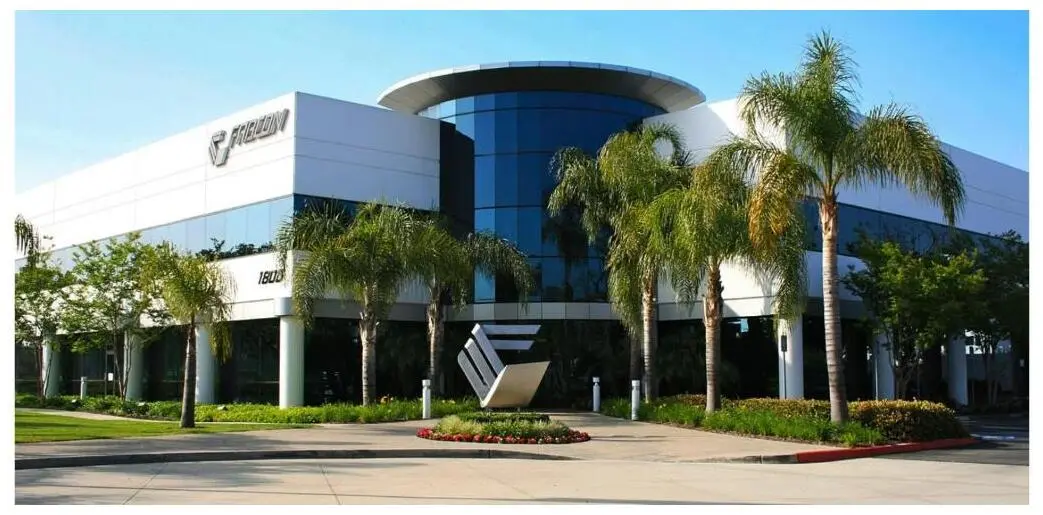
Fabcon’s 220,000 square feet of vertically integrated manufacturing space, ISO 9001:2015 and AS9100D certifications and ITAR registration position the company for mid-volume programs in data center, traffic safety, energy storage, medical device and aerospace and defense sectors.
Fabrication, finishing, CNC machining and light electromechanical assembly operate under one roof, which reduces vendor handoffs and keeps design and manufacturing aligned across the full product lifecycle.