
Key Takeaways for Infrastructure OEM Sourcing Teams
- Vertically integrated U.S. manufacturers reduce supply chain handoffs and compress lead times for mid-volume custom metal enclosure programs.
- Fragmented sourcing across multiple vendors creates quality gaps and delivery risks that single-roof execution helps prevent.
- Fabcon combines 220,000 square feet of domestic capacity, DFM engineering, in-house finishing and electromechanical assembly under one quality system.
- ISO 9001:2015, AS9100D and ITAR certifications position Fabcon for regulated infrastructure, aerospace and defense programs.
- For OEMs seeking a reliable domestic partner, evaluate Fabcon for upcoming enclosure projects.
The Supply Challenge Facing U.S. Infrastructure OEMs
Procurement and engineering teams at infrastructure OEMs face a structural sourcing gap for custom enclosures. Job shops deliver bare metal but lack integration capabilities for complete systems. Large contract manufacturers offer full integration but demand high volumes and long onboarding cycles that mid-sized programs cannot support. This gap leaves mid-volume, high-mix programs in infrastructure, data center and energy storage markets without a natural supplier fit.
The consequences of fragmented supply chains are measurable. Many organizations experienced at least one supply chain disruption in recent years, with raw material shortages, supplier instability and geopolitical trade shifts among the leading causes. When enclosure fabrication, finishing and assembly are split across multiple vendors, each handoff creates a new failure point. These supply chain vulnerabilities are accelerating reshoring trends and increasing demand for domestic integrated suppliers.
Reshoring programs are reshaping enclosure sourcing decisions. Federal initiatives such as the Grid Resilience and Innovation Partnerships program and the Infrastructure Investment and Jobs Act push utilities toward higher-value custom enclosure systems with integrated controls. Reshoring incentives under Section 45X of the Inflation Reduction Act are expanding domestic sheet metal capacity, compressing lead times and favoring U.S.-based vertically integrated suppliers. Tariffs on steel, aluminum and copper products further encourage manufacturers to shift production closer to end markets.
Custom engineer-to-order enclosure solutions are projected to grow faster than standard catalog products through 2035 as OEMs pursue differentiated designs that catalog suppliers cannot provide. Skilled labor shortages in sheet metal fabrication, welding and powder coating are limiting domestic enclosure production capacity. Established U.S. suppliers with existing infrastructure hold a structural advantage over new entrants that must build both facilities and teams from scratch.
The Fabcon Model for Custom Metal Enclosures
Fabcon is a U.S. precision sheet metal fabrication and electromechanical assembly partner operating from 220,000 square feet of manufacturing space across two domestic facilities. Since 1977, Fabcon has supported customers from prototype through production, combining fabrication, finishing and assembly under one roof to reduce supplier complexity and improve supply chain reliability.
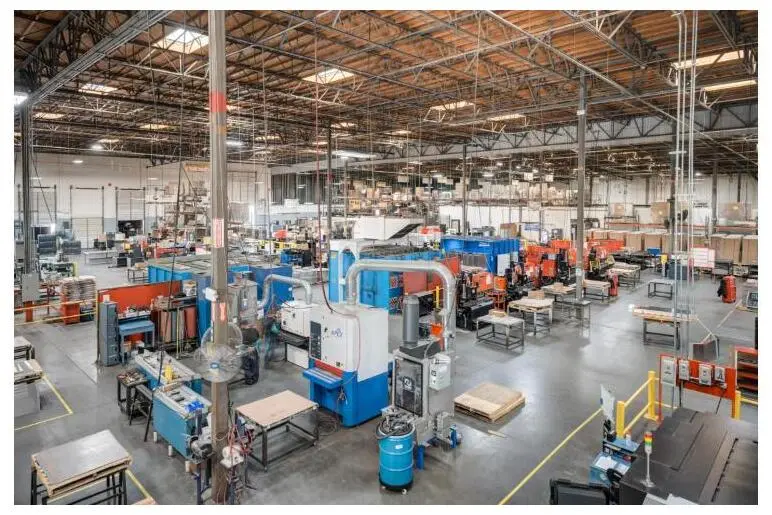
Core capabilities include:
- In-house design and Design-for-Manufacturability (DFM) engineering collaboration
- Precision sheet metal fabrication including laser cutting, CNC punching, forming and certified welding
- CNC machining for tight-tolerance components that support fabricated assemblies
- In-house finishing including powder coat, wet paint, screen printing and CARC military-grade coatings
- Light electromechanical assembly including wiring, hardware insertion and component integration
- ISO 9001:2015 and AS9100D certified quality management systems with full traceability
- ITAR registration for defense and aerospace programs
- JIT delivery, fulfillment and logistics support
Discuss enclosure requirements with Fabcon’s engineering team
How Enclosure Manufacturing Has Evolved
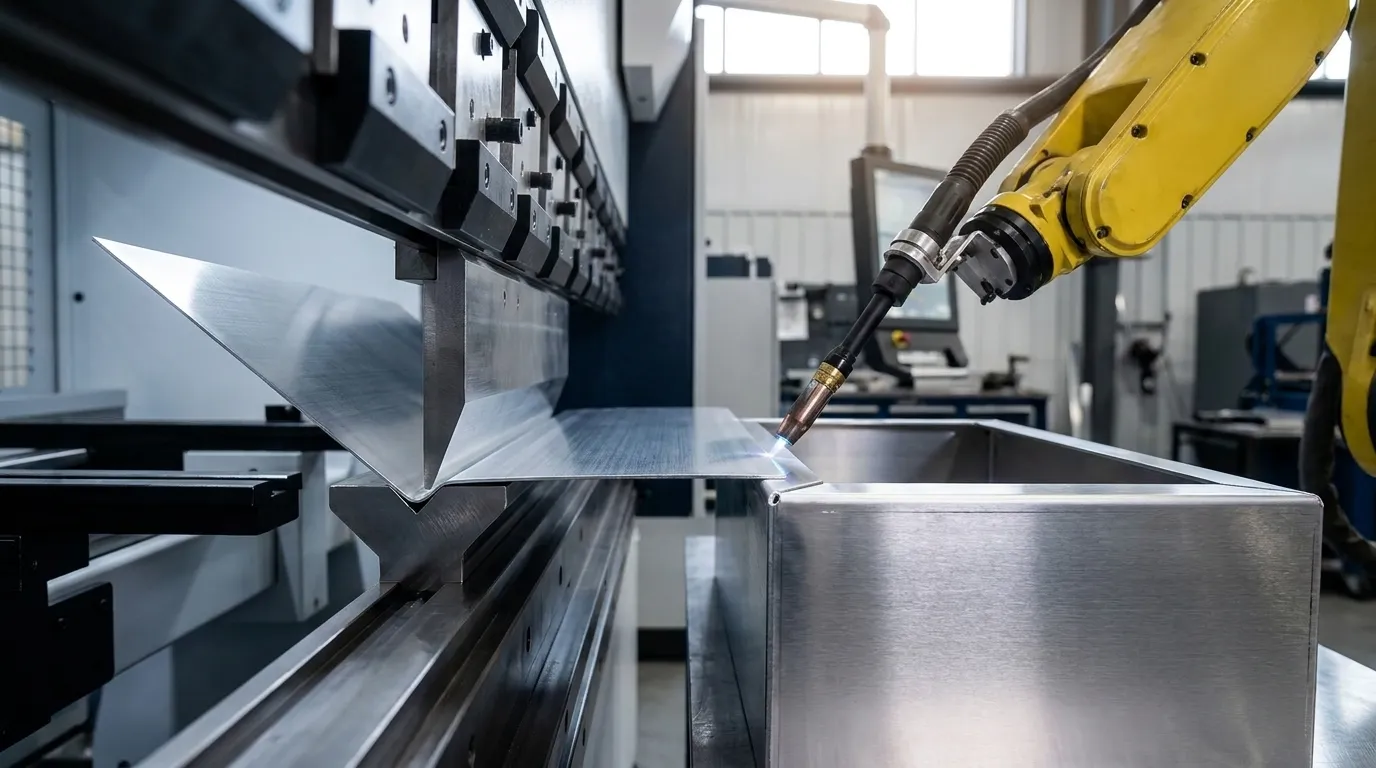
The role of the metal enclosure manufacturer now extends well beyond build-to-print work. Engineering involvement often begins at the design stage, with DFM reviews that identify manufacturability issues before tooling is cut. Automation investments such as robotic welding, fiber laser cutting and CNC press brakes have improved repeatability and throughput. Assembly capabilities now include wiring, component integration and electromechanical subassembly, reflecting OEM demand for shipment-ready units rather than bare-metal shells.
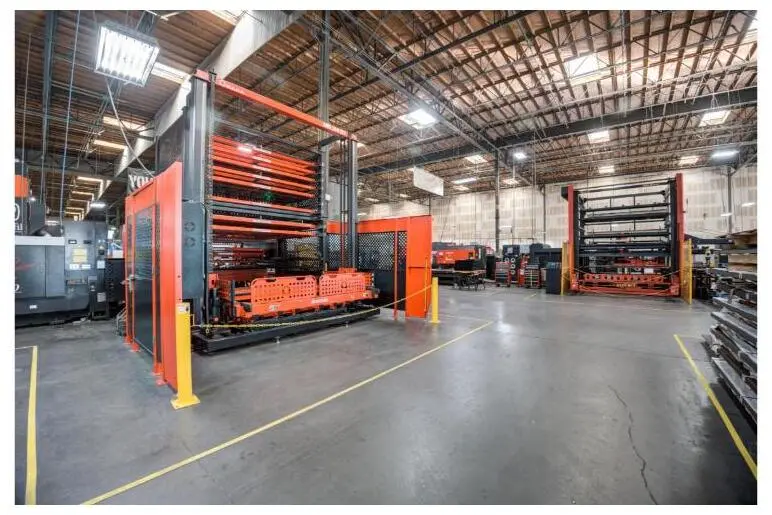
U.S. enclosure producers are increasing capital expenditure on automation, including milling and panel-building systems, to address labor constraints. Value-added services such as custom painting and assembly add meaningful margin to base enclosure pricing in the U.S. market. This shift reflects a move from commodity fabrication toward integrated manufacturing partnerships.
Fabcon’s RFQ-to-production flow aligns with this evolution. Engineering and quoting teams collaborate with customer technical teams before production begins, reviewing drawings, tolerances and materials to build manufacturing routers tuned for the floor. Change management remains internal. Evolving BOMs, mixed SKUs and volume adjustments move through agile production cells rather than rigid production lines.
Integrated Capabilities that Reduce Risk and Delay
Single-roof execution reduces the coordination overhead that fragments multi-vendor supply chains. When design, fabrication, machining, finishing and assembly share the same facility and quality system, each stage informs the next. Finishing operations such as coatings, masking and hardware sequence function as design inputs, not afterthoughts. Finishing operations affect dimensions, contact surfaces, hardware sequence and assembly tolerances in electronics enclosures, which makes integrated planning essential for consistent output.
Fabcon’s CNC machining capability supports fabricated assemblies in the same environment where the enclosure is built, which improves fit and removes the delays of coordinating with a separate machine shop. In-house finishing, including powder coat, wet paint, CARC and screen printing, keeps parts on site instead of moving them between vendors for coating. Light electromechanical assembly, including wiring and component integration, delivers units closer to deployment-ready condition before shipment.
ISO 9001:2015 and AS9100D quality systems govern every stage of the build. Full traceability supports regulated industries such as aerospace, defense and medical devices, where procurement teams must satisfy strict documentation requirements. UL and CSA compliance pathways are available for enclosure programs requiring UL 50, UL 50E or UL 508A certification, which are primary safety and compliance standards for electrical enclosures in the North American market.
Fabcon Customer Profiles and Typical Programs
Fabcon typically serves mid-to-large OEMs with revenues from $50 million to more than $1 billion in infrastructure-intensive sectors. These sectors include data centers, energy storage and power distribution, electric vehicle infrastructure, telecommunications, traffic safety, aerospace and industrial manufacturing.
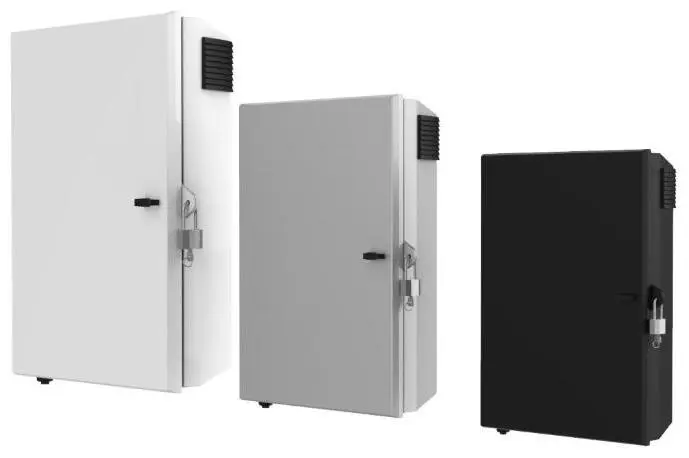
Common scenarios include new product introductions where early DFM collaboration prevents costly rework. Supplier consolidation programs also appear frequently, as engineering and procurement teams seek to reduce vendor count without losing capability. Another recurring case involves prototype-to-mid-volume scaling where production cells must adapt to changing volumes and BOMs without the overhead of a large contract manufacturer.
Procurement and engineering teams evaluating custom electrical enclosure suppliers compare factors such as engineering capability, material options, welding quality, surface treatment, NEMA and IP capability, customization depth, prototype support, production consistency, complete panel assembly capability and documentation. Engineering leaders focus on DFM collaboration and prototype-to-production alignment. Supply chain directors focus on vendor consolidation, on-time delivery and risk mitigation. Operations managers focus on execution consistency and scalable production.
Start the RFQ process for the next enclosure program.
How Fabcon Compares to Other Provider Types
Low-complexity job shops operate as transactional, build-to-print vendors that handle simple metal parts. These shops often lack engineering depth for DFM and cannot manage wiring, electromechanical assembly or high-level finishing. Customers that source from job shops manage a fragmented supply chain across multiple purchase orders and vendors for a single finished product, which creates handoff delays and quality accountability gaps.
Large and global contract manufacturers carry the scale and infrastructure for high-volume programs. Their onboarding processes are long and their production models are rigid. High minimum order quantities, inflexible BOMs and slow response to program changes make large contract manufacturers a poor fit for mid-volume, high-mix programs common in infrastructure OEM manufacturing.
Mid-tier fabricators with build-to-print-plus-assembly capabilities occupy a middle ground. These providers vary widely in vertical integration depth, quality system maturity and assembly complexity. OEM sourcing teams evaluating contract metal fabrication partners often weigh process breadth, quality certifications, equipment and capacity investment, financial stability and longevity, geographic proximity, engineering support and supply chain services.
Fabcon’s differentiation rests on the combination of scale, the domestic capacity described earlier, and deep vertical integration from DFM through electromechanical assembly. Aerospace and ISO quality certifications and nearly five decades of continuous operation further strengthen this profile. This combination supports programs that outgrow job shops but do not align with the volume and rigidity requirements of large contract manufacturers.
Checklist for Evaluating Enclosure Manufacturing Partners
Engineering, procurement and operations teams evaluating electronic enclosure manufacturers can use the following checklist before committing to a supplier.
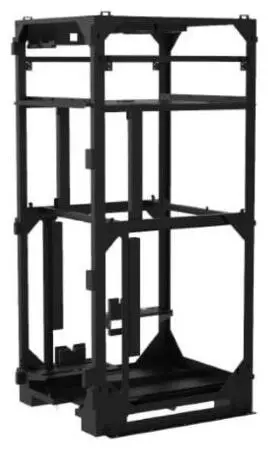
- Technical fit: Confirm support for DFM collaboration, tight-tolerance fabrication and the required enclosure geometry such as chassis, racks, cabinets or structural frames.
- Assembly complexity: Confirm the supplier can handle light electromechanical assembly, wiring, hardware insertion and component integration in-house, without extra finishing or assembly vendors.
- Compliance needs: Confirm the supplier’s quality system, including ISO 9001:2015, AS9100D and ITAR, matches program requirements. Verify UL Listed or UL Recognized pathways for enclosures requiring Type ratings such as NEMA 4X or NEMA 12.
- Environmental rating alignment: Use NEMA 4X for corrosion factors such as saltwater exposure, chemical vapors or washdown environments, and NEMA 12 for dust-tight indoor applications. Confirm the supplier can fabricate and support certification for the required rating.
- Geographic considerations: Favor U.S.-based fabrication to reduce exposure to import tariffs, cross-border logistics risk and lead-time volatility. Consider that logistics costs for large, heavy enclosures form a meaningful share of total landed cost.
- Scalability: Confirm the supplier can move from prototype through mid-volume production without high minimums or rigid onboarding. Ask how production cells adapt to changing volumes and mixed SKUs.
- Longevity and financial stability: Review years in business, facility size and certification history as indicators of operational maturity for long-term program support.
Frequently Asked Questions About Fabcon
Fabcon addresses common questions about custom metal enclosure manufacturing and contract manufacturing services.
What volume ranges does Fabcon support for custom metal enclosures?
Fabcon supports programs from single prototypes through mid-volume production runs. Agile production cells adapt to changing volumes and mixed SKUs without the high minimums or rigid onboarding associated with large contract manufacturers. This structure suits NPI programs, supplier consolidation initiatives and programs that scale over time.
What quality certifications does Fabcon hold, and how do they support regulated industries?
Fabcon holds ISO 9001:2015 and AS9100D certifications and is ITAR registered. ISO 9001:2015 governs the quality management system across all production stages. AS9100D adds aerospace-specific requirements for traceability, configuration management and risk management. ITAR registration supports programs involving defense-related technical data and hardware. For procurement teams in aerospace, defense and medical device manufacturing, these credentials provide documentation and traceability that support regulatory compliance.
How does Fabcon’s DFM process reduce rework and accelerate time to market?
Fabcon’s engineering and quoting teams collaborate with customer technical teams before production begins. They review drawings, tolerances and materials to identify manufacturability issues early, before tooling is cut or production starts. This front-end collaboration reduces downstream rework, improves cost efficiency and supports consistent builds at scale. The result is faster prototyping cycles and more predictable production launches.
What finishing capabilities does Fabcon offer, and how do they affect enclosure compliance?
Fabcon performs in-house powder coating, wet paint, screen printing and CARC military-grade finishing. In-house finishing keeps parts away from external coating vendors, which reduces handling, lead time and quality risk. Finishing operations affect dimensions, contact surfaces and hardware sequence, all of which influence whether an enclosure maintains its NEMA or UL rating after modification. Managing finishing within a single quality system allows Fabcon to coordinate these variables effectively.
How does Fabcon support NEMA-rated enclosure programs?
Fabcon fabricates custom metal enclosures for infrastructure and industrial OEM programs that require specific NEMA ratings. NEMA 4X enclosures, used in coastal, washdown, chemical processing and outdoor environments, require corrosion-resistant materials, continuous gasket paths and corrosion-resistant hardware along with water and dust protection. NEMA 12 enclosures suit dust-tight indoor industrial applications. Fabcon’s integrated fabrication, finishing and quality systems support the construction requirements associated with these ratings, and the team aligns material selection and design details with the target rating from program start.
What commercial terms does Fabcon offer for pricing, lead times and minimum orders?
Fabcon typically structures programs around mid-volume, high-mix production with flexible minimum order quantities. Lead times reflect part complexity, finishing requirements and assembly scope, with stocking and JIT options available for stable programs. Pricing incorporates material, processing, finishing and assembly, with cost reduction opportunities identified during DFM review.
How does Fabcon handle RFQs and project onboarding?
Fabcon’s RFQ process begins with drawings, specifications and volume expectations. Engineering and quoting teams review requirements, propose DFM improvements and provide detailed pricing and lead-time estimates. Once awarded, programs move through a structured onboarding process that includes prototype builds, validation and transition into production cells.
Conclusion: Why Integrated U.S. Metal Partners Matter Now
Modern infrastructure OEMs benefit from enclosure partners that do more than cut and bend metal. Reshoring pressure, tariff exposure and program complexity are converging to make vertically integrated domestic manufacturers a strong fit for mid-volume custom metal enclosure programs.
Data centers and telecom installations are projected to grow at the fastest rate among end-user segments through 2031, driven by AI server power densities that require more enclosure infrastructure per megawatt. The U.S. control panel enclosures market is forecast to expand substantially in volume by 2035, supported by reshoring investment and an aging installed base. Suppliers that combine fabrication, finishing and assembly under one roof, with the certifications and engineering depth to support regulated industries, are positioned to capture this demand.
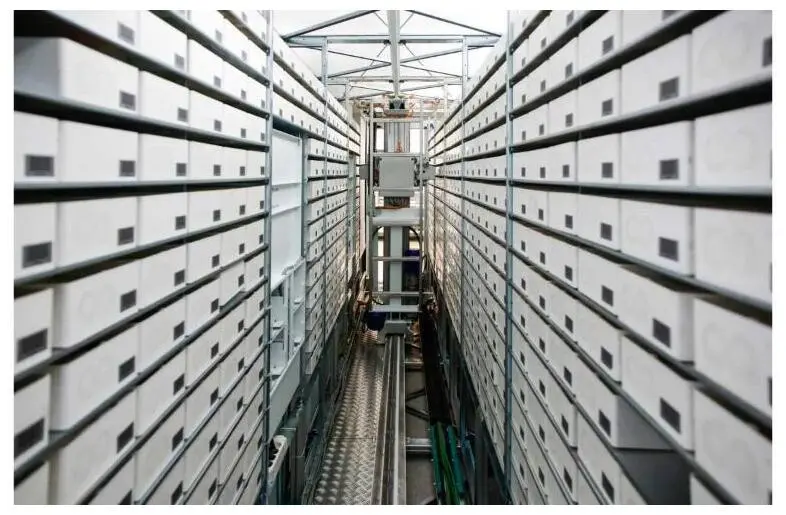
Fabcon’s 45-plus years of operation, integrated domestic manufacturing capacity and certified quality systems meeting aerospace and ISO standards make it a durable partner for OEMs that need precision, accountability and scalability from a single domestic source.
Connect with Fabcon to evaluate fit for upcoming enclosure programs