

Last updated: August 3, 2026
Key Takeaways for 2026 Stamping Supplier Selection
- Precision metal stamping underpins 2026 infrastructure programs in data centers, aerospace, defense and EV charging, so domestic supplier choice directly affects program risk.
- U.S. buyers must distinguish between low-complexity job shops, rigid large contract manufacturers and mid-tier integrated fabricators that combine stamping with in-house finishing and assembly.
- Technical evaluation should focus on process breadth, material versatility and in-house secondary operations that shorten lead times and reduce quality risk.
- DFM collaboration, current certifications (ISO 9001, AS9100D, ITAR) and documented scalability metrics are essential for regulated industries.
- For mid-volume, high-mix programs, a vertically integrated U.S. partner such as Fabcon removes multi-vendor handoffs and lowers total cost of ownership.
Comparing Job Shops, Large Contractors and Mid-Tier Integrated Fabricators
The U.S. precision metal stamping market divides into three main archetypes, each with distinct trade-offs for mid-volume, high-mix programs.
Low-complexity job shops handle build-to-print work on straightforward geometries. They rarely offer design-for-manufacturability support, in-house finishing or electromechanical assembly. Buyers working with these vendors must coordinate multiple purchase orders across separate coating, wiring and assembly suppliers, which creates handoff delays and quality accountability gaps.
Large and global contract manufacturers carry deep capacity and sophisticated tooling. Their trade-off is rigidity, with high minimum order quantities, lengthy onboarding cycles and limited tolerance for evolving bills of materials. Programs still in design flux or operating at mid-volume rarely align with this model.
Mid-tier integrated fabricators occupy the space between those extremes. They combine stamping with in-house finishing and light assembly, support prototype-to-production transitions and maintain the engineering depth to collaborate on DFM from the first drawing review. For infrastructure and technology-driven programs, this archetype reduces vendor complexity without sacrificing capability.
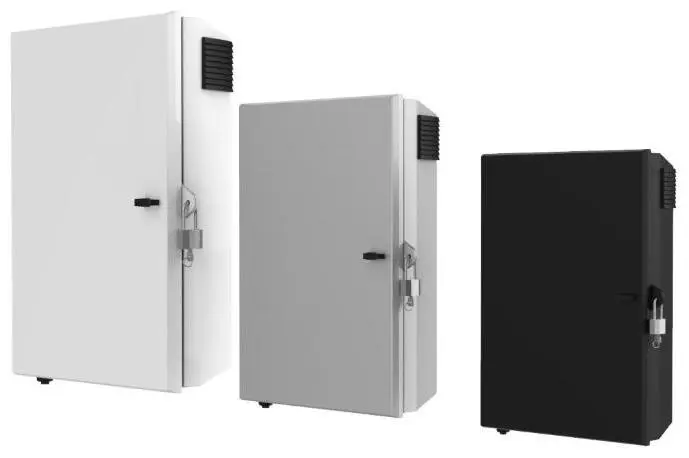
Technical Capabilities That Differentiate U.S. Stamping Manufacturers
Technical capability screening should cover process breadth, material range and in-house secondary operations. Core process types include progressive die, transfer die, deep draw, compound die and single-station stamping. Progressive die stamping performs multiple operations per stroke and suits high-repeatability programs, while transfer stamping supports larger or deeper-drawn parts.
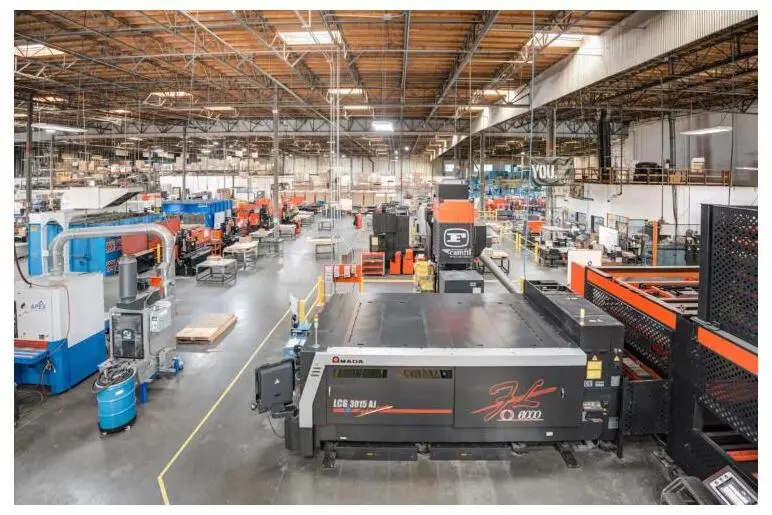
Material versatility supports programs that span structural frames, enclosures and electromechanical chassis. Qualified suppliers work across carbon steels, stainless steel grades, aluminum alloys, copper and specialty materials that meet durability and reliability requirements for the target application.
In-house secondary operations carry equal weight in evaluation. Suppliers that maintain CNC bending, welding, finishing and assembly under one roof reduce logistical overhead and shorten lead times compared with those that subcontract these steps. Each outsourced operation adds freight, schedule risk and a potential quality escape point.
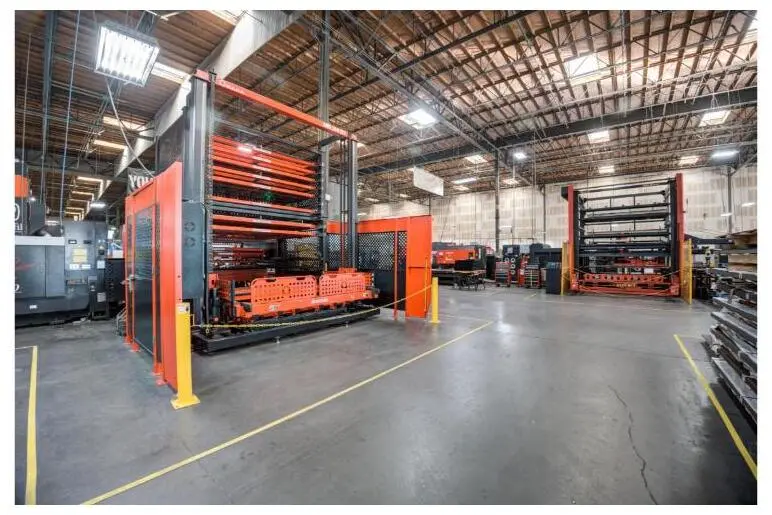
Evaluating Design-for-Manufacturability Support
DFM support functions as an early-stage decision gate, not a quoting formality. A reliable stamping supplier provides a DFM review on every new project, staffs that review with engineers who have tooling design experience and recommends design changes that improve manufacturability and extend die life.
Experienced partners identify costly features early in the design phase, which allows them to recommend material alternatives or propose modifications that preserve function while lowering unit cost. This upfront collaboration reduces tooling iterations, shortens development cycles and minimizes rework risk before production begins.
Buyers should confirm that engineering and quoting teams review drawings together before pricing is issued. A supplier that returns a quote without flagging tolerance conflicts or bend-radius concerns operates as a build-to-print shop, regardless of how it describes its services.
Certifications That Support Regulated Infrastructure Programs
Certification requirements vary by end market, but several standards apply broadly across infrastructure programs.
- ISO 9001:2015 establishes a documented quality management system independently verified by a third party. It reduces buyer audit burden through required processes, internal audits and corrective action protocols.
- AS9100D builds on ISO 9001 and is typically required for aerospace and defense sourcing. ITAR compliance is mandatory for defense-related components, and NADCAP special process accreditation applies when relevant.
- ITAR registration controls access to defense-related technical data and manufacturing processes. Programs involving military or dual-use components require confirmed ITAR registration at the production site.
- UL and CSA compliance supports electrical enclosures and power distribution components used in data centers and energy infrastructure.
- Full material traceability, including material test reports with chemistry, mechanical properties and heat or lot numbers, forms a baseline requirement for regulated applications. Suppliers should retain traceability records for the duration required by the applicable standard.
Assessing Scalability and Supply Chain Reliability
U.S. metalworking machinery orders through April 2026 ran ahead of the prior year as manufacturers added automation to more sophisticated equipment. Suppliers investing in agile production cells and servo-driven presses stand better positioned to handle volume changes and mixed-SKU programs than those running rigid dedicated lines.
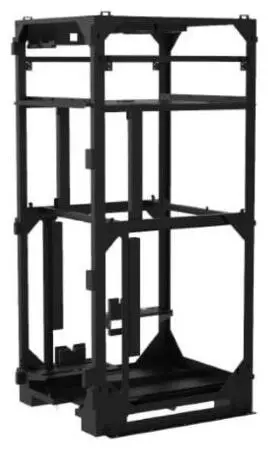
Scalability assessment should examine whether a supplier can transition a program from prototype quantities to mid-volume production on the same equipment and floor space without a full requalification. To verify this capability, buyers should request on-time delivery rates, lead-time variance data and documented procedures for communicating schedule changes before award.
Reshoring advantages compound for domestic suppliers. Geographic proximity enables real-time tooling adjustments and faster resolution of issues such as springback or die wear. This proximity reduces program risk that accumulates when engineering teams and production floors operate across distant time zones.
Building an RFI and Site-Visit Checklist
A structured RFI should extend beyond price. Buyers should request current on-time delivery rate, PPM defect rate, capital equipment added in the last 24 months, tooling ownership and die-maintenance policies and the ability to support both prototype and production volumes on the same equipment.
Key questions to include in an RFI or site visit:
- What is the documented on-time delivery rate for the past 12 months?
- Does the DFM review involve engineers with tooling design experience, or is it a quoting-desk function?
- Which secondary operations such as finishing, welding and assembly are performed in-house versus subcontracted?
- What certifications are current, and can the scope be verified on the issuing registry?
- How are design changes handled mid-program, and what is the typical impact on lead time and cost?
- Who is the named program manager or engineering contact for ongoing communication?
Red flags to watch for include several recurring patterns.
- Lapsed or unverifiable quality certifications
- Quotes that cannot itemize material, labor and tooling costs separately
- Core processes such as welding or finishing routinely subcontracted to third parties
- No named engineering contact or program manager assigned to the account
- Inability to provide first-article inspection reports or in-process monitoring data
- A low unit price paired with unpredictable lead times that drive air freight and excess safety stock costs
Submit drawings for a capabilities review and request a quote from Fabcon.
Advantages of a Vertically Integrated U.S. Partner
Every handoff between suppliers adds freight, lead time and quality risk. For mid-volume, high-mix programs in data centers, aerospace and defense, energy storage, medical devices and EV infrastructure, a single-roof model eliminates the compounding risks described earlier.
Fabcon has operated as a vertically integrated precision metal fabrication and electromechanical assembly partner since 1977. Fabcon’s 220,000 square feet across two Southern California facilities house the full range of these integrated capabilities, from laser cutting and CNC punching through forming, certified welding, CNC machining and mil-spec finishing.
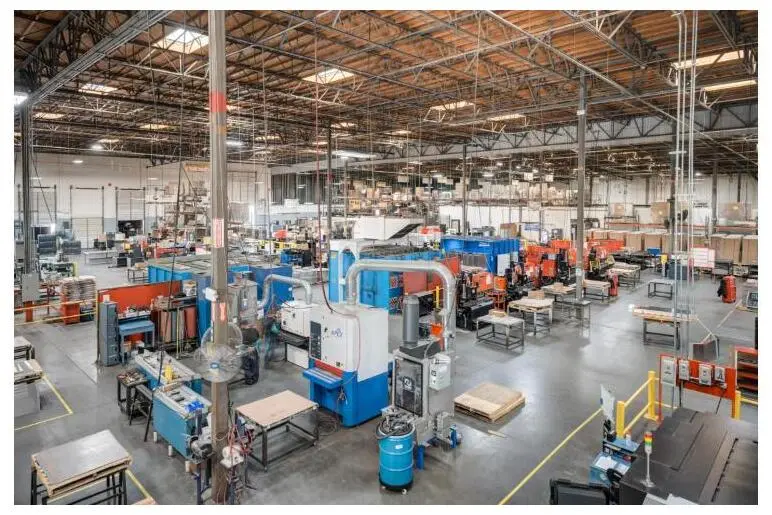
Current certifications support programs in regulated industries where traceability and compliance are nonnegotiable. Agile production cells scale from prototype to mid-volume production without the high minimums or rigid onboarding timelines common at large contract manufacturers. One purchase order and one accountable partner support integrated DFM collaboration from the first drawing review.
Frequently Asked Questions
How do job shops differ from contract manufacturers?
A job shop focuses on small-lot, build-to-print work with minimal program infrastructure. It typically handles individual metal components and does not offer DFM collaboration, in-house finishing or assembly. A contract manufacturer supports ongoing programs with engineering input, tooling management, quality documentation, finishing and assembly under one roof. For programs that require prototype-to-production continuity, compliance documentation and supply chain simplicity, a contract manufacturer reduces total program risk.
Which certifications support aerospace and defense stamping programs?
AS9100D serves as the core quality management certification for aerospace and defense stamping. ITAR registration is required for components that involve defense-related technical data or controlled manufacturing processes. NADCAP special process accreditation applies when specific surface treatments or processes fall under its scope. ISO 9001:2015 underpins these standards and forms the baseline for any regulated program. Buyers should verify certification scope directly on the issuing registry and confirm that the specific production site, not just the parent company, holds the relevant credentials.
How does total cost of ownership differ from unit price?
Unit price covers only the per-part cost at a given volume. Total cost of ownership includes tooling amortization, inbound freight, incoming inspection, quality and rework costs, working capital tied to safety stock, administrative overhead for managing multiple vendors and the cost of schedule disruptions. A supplier with a lower unit price but unpredictable lead times, high defect rates or subcontracted finishing can cost more over a program’s life than a higher-priced partner with integrated operations and reliable delivery. Structuring supplier evaluation around total cost of ownership produces more accurate program budgets and fewer downstream surprises.
Which volume range fits mid-tier integrated stamping manufacturers?
Mid-tier integrated manufacturers align with programs that require more than prototype quantities but do not justify the high minimums and rigid production lines of large contract manufacturers. These programs often involve mixed SKUs, evolving bills of materials or multiple secondary operations such as finishing, assembly and compliance documentation that a basic job shop cannot manage. The defining characteristic is not a specific annual unit count but the need for engineering collaboration, process integration and scalable production that can grow with the program without a supplier change.
Conclusion: Using This Framework to Reduce Program Risk
Selecting a precision metal stamping manufacturer in 2026 functions as a supply chain architecture decision. The right partner combines technical process breadth, current certifications, DFM collaboration, in-house finishing and assembly and the production agility to scale with a program under one U.S. roof.
Buyers who evaluate suppliers on total cost of ownership rather than unit price, verify certifications at the production-site level and prioritize integrated operations over fragmented vendor networks reduce program risk from prototype through production.
Fabcon is built for this model. Request a quote and start a capabilities review today.