
Last updated: July 29, 2026
Key takeaways for CNC sourcing and integration
- Instant online CNC quotes compress procurement timelines but only address the first step in a multi-process supply chain.
- Quality certifications (ISO 9001:2015, AS9100D, ITAR) and DFM collaboration are essential for programs that move from prototype to production.
- Fragmented CNC supply chains create hidden costs through delays, tolerance stack-up issues and increased vendor-management overhead.
- Vertically integrated U.S. partners reduce multi-vendor handoffs by combining CNC machining, sheet metal fabrication and assembly under one roof.
- Access instant quoting and engineering collaboration for integrated programs through Fabcon’s end-to-end manufacturing platform.
Instant online CNC quotes and what they deliver
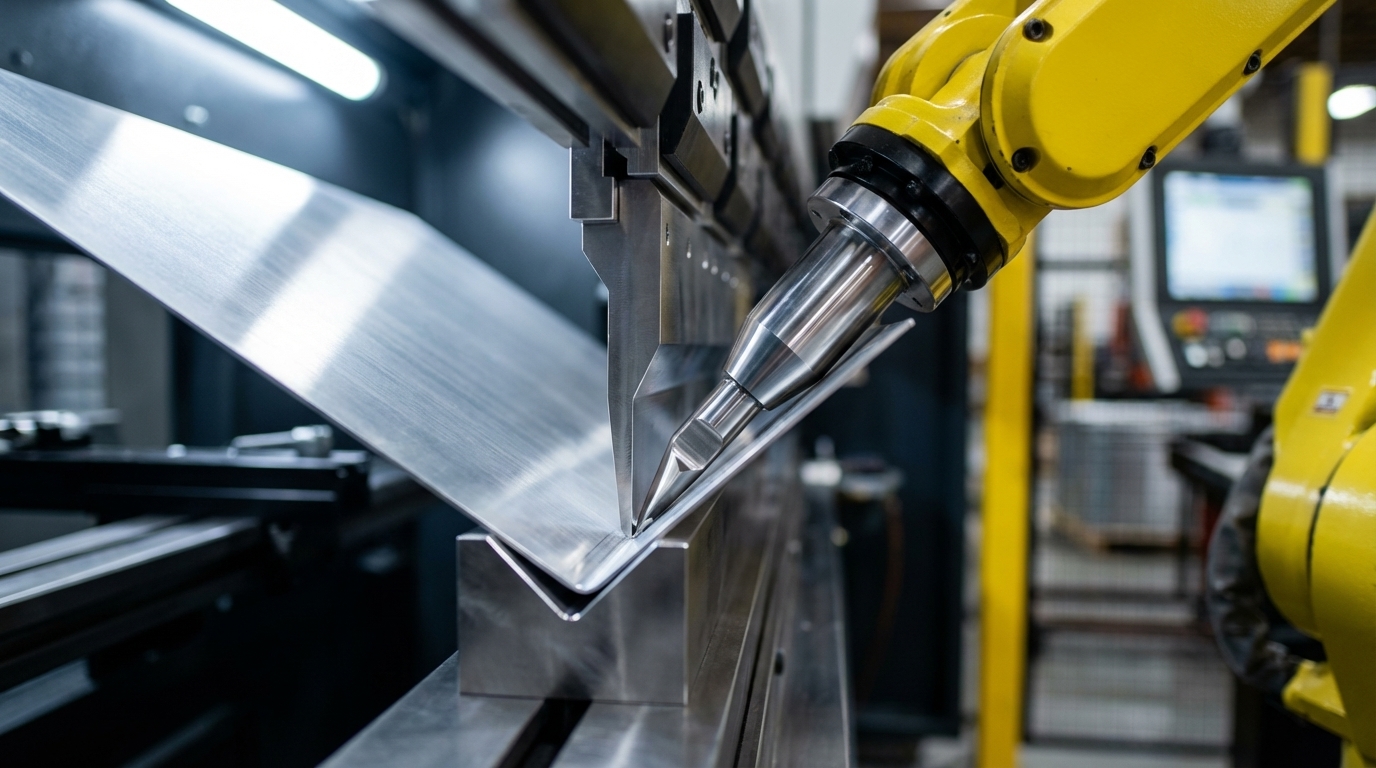
Instant online CNC quotes automate the front end of the buying process. A buyer uploads a 3D CAD file to a quoting platform. The system parses geometry, detects features and returns a price based on material, tolerances and quantity. Platforms such as Protolabs Network pair instant pricing with automated DFM analysis that flags potential design issues within minutes of upload. Others, like Prototek, built AI-powered instant quoting engines specifically in response to customer demand for faster, more streamlined ordering.
This automation compresses the quoting cycle. The average U.S. job shop still takes days to return a CNC or fabrication quote, so platforms that respond in minutes hold a procurement advantage for prototype and small-batch work.
Speed matters for buyers at mid-sized manufacturers. Program timelines are compressed and NPI schedules do not accommodate multi-day quoting cycles. The ability to get a CNC machining quote online, adjust parameters and resubmit in the same session accelerates early-stage decision-making.
Core criteria for a U.S. CNC machining partner
Speed of quoting is one criterion, but it does not determine long-term program success. For programs that move from prototype to production, three criteria matter more than turnaround time and they build on each other.
Quality certifications establish the baseline. ISO 9001:2015 governs the quality management system. AS9100D adds aerospace-specific requirements for risk management, configuration control and traceability. ITAR registration is mandatory for any program touching defense-controlled technical data or hardware. A partner without these certifications introduces compliance risk that no price advantage can offset.
DFM collaboration capability separates build-to-print shops from engineering partners. When machining and finishing requirements are not aligned from the start, secondary treatments such as anodizing or coating can alter critical features and create downstream fit problems. An engineering team that reviews drawings before production begins catches these issues before they become rework.
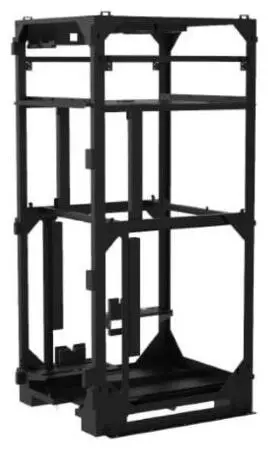
Integration capability completes the picture. Machined components rarely ship as standalone parts. They mount into fabricated enclosures, accept hardware inserts, connect to wiring harnesses or form part of a structural chassis. A partner that handles CNC machining alongside sheet metal fabrication and light assembly reduces the coordination burden of managing those handoffs across separate vendors.
Risks that arise from standalone CNC quotes
Fragmented CNC supply chains generate hidden costs in the form of delays, rework and internal workload even when individual supplier quotes appear cost-effective. These problems compound at each handoff.
Each process transfer between vendors adds shipping, handling and inspection time at the next shop, compounding lead times for multi-process parts that combine CNC and sheet metal operations. A part that clears the machine shop on schedule can still miss a program deadline while waiting in a finishing vendor queue.
Tolerance stack-up creates a related risk. Integrated manufacturing controls tolerance stack-up by engineering bend radii, springback, stamped features and weld distortion together from the start, reducing scrap, rework and downstream fitment issues. When machining and fabrication are managed by separate shops with no shared engineering context, dimensional mismatches surface at final assembly, which is the most expensive point in the process to discover them.
Vendor management overhead adds a third cost that rarely appears in a quote. Engineering communication time alone can consume multiple hours per project when DFM feedback is absent, creating a recurring hidden cost that compounds across multiple parts destined for larger assemblies. Procurement teams absorb this cost in the form of internal labor, not line items.
How integrated U.S. providers compare with platforms and large CMs
Pure-play instant-quote platforms excel at speed and simplicity for standalone parts. They are optimized for the upload-quote-order workflow. They do not provide engineering collaboration, sheet metal fabrication, finishing or electromechanical assembly under the same roof. A buyer who needs a machined bracket to fit a fabricated enclosure with powder coat and hardware insertion will manage at least three separate vendors when using a pure-play platform.
Large contract manufacturers offer scale and infrastructure but impose constraints that mid-volume programs cannot absorb. High minimum order quantities, long onboarding cycles and rigid production lines are standard features of top-tier global CMs. A program with an evolving BOM or mixed SKU requirements does not fit that model.
Integrated suppliers consolidate these handoffs under one roof, converting what would be three separate POs into a single quality system with unified accountability. The result is one PO, one quality system and one point of accountability.
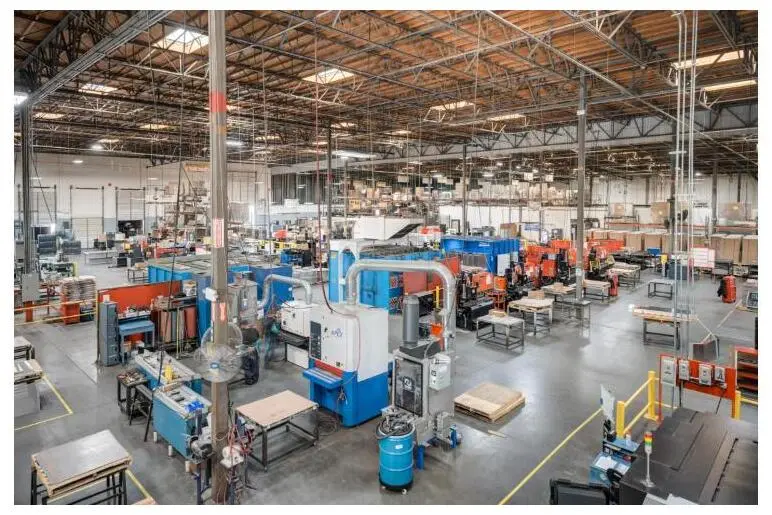
Fabcon occupies this middle ground. With 220,000 square feet of vertically integrated manufacturing space across two Southern California facilities, Fabcon delivers CNC machining, sheet metal fabrication and end-to-end contract manufacturing under one roof. Programs scale from prototype to mid-volume production without changing partners.
DFM checklist for machined parts in fabricated assemblies
Design-for-manufacturability review prevents the most common integration failures between machined and fabricated parts. The following checklist addresses the five failure points most likely to cause fit or assembly problems when machined components integrate into fabricated enclosures or structural systems.
- Tolerances: Confirm that critical mating dimensions are called out with GD&T and that the tolerance stack across machined and fabricated features is achievable with the selected processes.
- Hardware insertion: Identify all threaded inserts, PEM hardware and press-fit features early. Confirm that the machining and fabrication sequences support insertion before final assembly.
- Weld access: Verify that weld joints on fabricated mating parts are accessible after machined components are installed. Blind welds discovered at assembly add rework time.
- Coating compatibility: Align surface finish specifications across machined and fabricated parts. Anodizing, powder coat and wet paint affect critical dimensions and must be accounted for in the machining tolerance.
- Enclosure fit: Confirm that machined brackets, rails and mounting features are dimensioned to the fabricated enclosure nominal geometry, including bend allowances and weld distortion.
Start a DFM review with Fabcon’s engineering team to validate the design before production.
Compliance and traceability checks for CNC programs
Compliance documentation forms a core requirement for infrastructure, aerospace and defense programs. Buyers should verify specific certifications and traceability practices before committing to a CNC machining partner.
ISO 9001:2015 certification confirms that the supplier operates a documented quality management system with defined processes for nonconformance, corrective action and continuous improvement. AS9100D adds aerospace-specific requirements and serves as the standard evaluation criterion for defense and aviation supply chains. ITAR registration is required for any program involving defense articles or technical data controlled under the U.S. Munitions List.
Material traceability introduces a separate requirement. A complete traceability package for machined parts includes the mill test report documenting heat number, chemical composition and mechanical properties, a certificate of conformance, the shop internal material identification record and the finished-part inspection record. For aerospace and defense applications, AS9102 First Article Inspection is the globally recognized standard for verifying first-run manufacturing compliance, with forms that map every dimension and GD&T callout to recorded measurements.
Fabcon holds ISO 9001:2015 and AS9100D certifications and is ITAR registered. Integrated QA spans the entire build, from raw material receipt through final assembly, and provides the traceability documentation that aerospace, defense and energy storage procurement teams require.
Lead-time reliability and prototype-to-production scaling
Vertically integrated shops that handle multiple processes under one roof reduce process-transfer time compared with using separate vendors for CNC machining, sheet metal fabrication and finishing. When fabrication follows machining in the same facility, parts move directly between operations without external shipping or queue time, which is the primary mechanism behind shorter lead times.
Scaling from prototype to production introduces a different set of challenges. At prototype quantities, setup and programming costs dominate per-part cost; at medium and higher volumes, dedicated fixturing and Statistical Process Control on critical dimensions become the primary quality levers. A partner with flexible production cells can transition between these phases without a new onboarding process or minimum order commitment.
Fabcon production cells adapt to changing volumes, mixed SKUs and evolving BOMs. Programs that begin as quick-turn prototypes can move to mid-volume production runs without the rigidity constraints of large CMs or the capability gaps of basic job shops.
Frequently asked questions about Fabcon CNC capabilities
Does Fabcon support both prototype and production volumes for CNC machined parts?
Fabcon supports programs across the full volume range, from initial prototypes through mid-volume production runs. Flexible production cells allow the manufacturing configuration to adapt as program requirements change without requiring customers to re-qualify a new supplier at each phase.
How does Fabcon handle quality traceability for CNC machined components?
Fabcon quality management holds certification to ISO 9001:2015 and AS9100D. Every build follows integrated QA that spans material receipt, in-process inspection and final assembly. Material traceability documentation, including mill test reports and certificates of conformance, is maintained throughout the production process and available to customers on request.
What happens to intellectual property when sharing CAD files for a CNC quote?
Fabcon operates as a domestic U.S. manufacturer with ITAR registration, which establishes a controlled environment for handling technical data. Customers with IP sensitivity should discuss NDA terms and data handling procedures before uploading proprietary CAD files. ITAR registration means that access to controlled technical data is managed under federal compliance requirements.
Can Fabcon machine components that integrate directly into fabricated enclosures or assemblies?
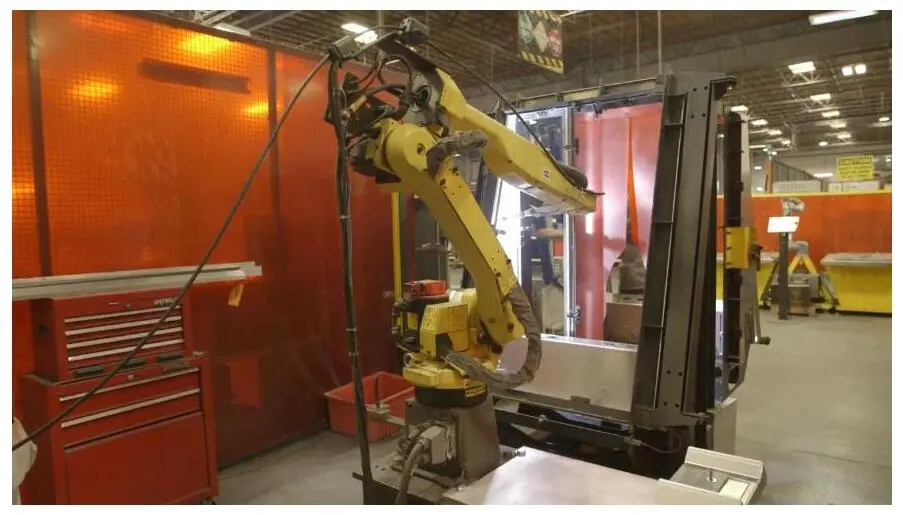
In-house CNC machining at Fabcon supports fabricated assemblies by design. Machined components are produced in the same facility as the sheet metal enclosures, racks and chassis they mount into. This shared environment allows engineering teams to align tolerances, hardware insertion sequences and coating specifications across both processes before production begins.
What industries does Fabcon serve with integrated CNC and fabrication services?
Fabcon serves mid-sized to large enterprises in data centers, aerospace and defense, energy storage and power distribution, traffic safety and transportation, electric vehicle infrastructure, telecommunications and industrial OEM manufacturing. These industries share a common requirement for precision, compliance documentation and the ability to scale production without changing manufacturing partners.
The case for an integrated U.S. manufacturing partner
The instant online CNC machining quote functions as a procurement tool, not a full supply chain strategy. For programs where machined components must fit fabricated assemblies, meet AS9100D or ITAR requirements and scale from prototype to production, the quoting platform provides the starting point. The partner behind it determines whether the program executes on schedule.
Fabcon combines instant quoting capability with the engineering depth, compliance infrastructure and vertical integration that mid-volume U.S. programs require. CNC machining, sheet metal fabrication, finishing and light electromechanical assembly operate under one roof, governed by a single quality system and supported by an engineering team that engages at the DFM stage, not after the first article fails.
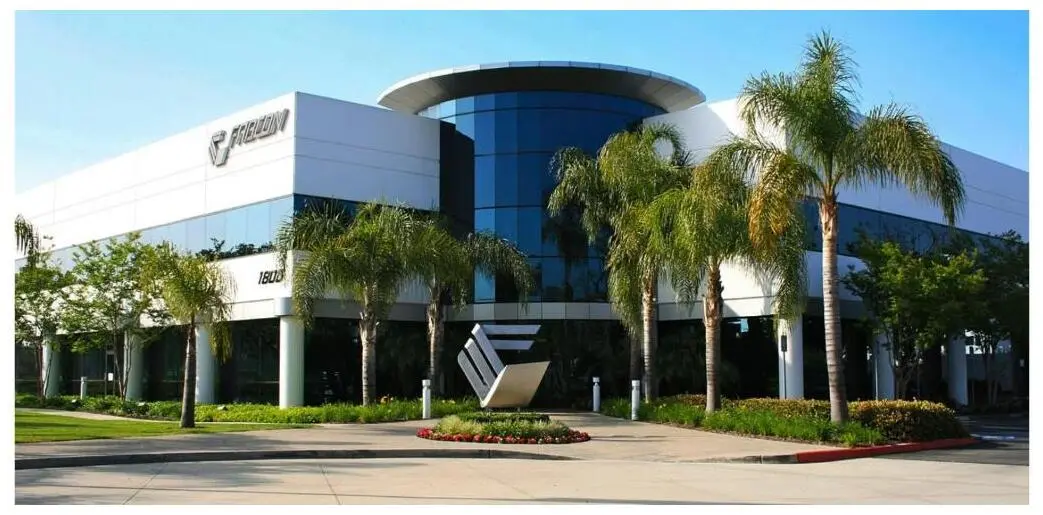
Senior mechanical engineers, strategic sourcing managers and program leads who need a domestic partner for prototype-to-production CNC and fabrication programs gain a clear alternative to fragmented vendor stacks and rigid global CMs.
Start the conversation with a U.S. manufacturing partner built for integrated programs.