
Last updated: August 12, 2026
Key Takeaways for Sheet Metal DFM
- Design for manufacturability (DFM) for sheet metal converts engineering intent into production-ready drawings by shaping geometry, tolerances and material choices before fabrication begins.
- Following 10 focused DFM rules for bend radius, hole-to-bend distance, bend relief, tolerance stack-up, uniform thickness, PEM hardware placement, bend orientation, minimum hole diameter, grain direction and flange length reduces rework, distortion and tolerance failures.
- Early collaboration with a fabricator before drawings are released prevents costly surprises by identifying forming conflicts, tooling constraints and hardware clearance issues.
- Vertically integrated manufacturing partners streamline fabrication, finishing and light electromechanical assembly, closing vendor handoff gaps that cause downstream fit and function problems.
- Partner with Fabcon’s engineering team early in the design process to apply these DFM practices and scale from prototype to production with confidence.
10 DFM Rules for Sheet Metal Parts
1. Minimum Bend Radius for Crack-Free Parts
Every bend imposes strain on the outer fiber of the sheet. When the inside radius falls below the material forming limit, that fiber cracks or develops surface fractures that reduce structural integrity and cosmetic quality.
A practical starting point is an inside bend radius equal to material thickness (R = 1T) for most mild steels and formable aluminum alloys. Harder tempers need larger radii for reliable forming. 6061-T6 aluminum does not bend easily, while annealed 304 stainless often forms with radii near 1T. Drawings must specify alloy and temper when bend radius is critical, not just list “aluminum.”
2. Hole-to-Bend Distance That Protects Features
Holes placed inside the bend deformation zone distort during forming. A round hole becomes oval, and a slot can tear or shift position. These changes cause tolerance loss, misalignment and rework.
The industry-standard minimum for holes smaller than roughly 25 mm is d = 2T + R, measured from the hole edge to the bend line. Holes 25 mm or larger need increased clearance to prevent ovaling, tearing or positional shift. When a hole must sit closer to a bend for functional reasons, common fixes include adding a relief notch, shortening the flange or drilling the hole as a secondary operation after forming.
3. Bend Relief That Prevents Tearing
Terminating a bend at a flange edge or intersecting another bend without relief causes material to bunch and tear. Bend relief width should be at least 50% of material thickness, with depth equal to material thickness. Where two bends intersect, a relief notch with width ≥ T and depth ≥ R + T prevents material bunching and uncontrolled bulging that shifts adjacent feature positions. Missing relief cuts often cause scrapped first articles.
4. Tolerance Stack-Up Control Across Bends
Each bend adds angular and linear variation to downstream features. Bends typically carry linear tolerances of ±0.1–0.5 mm (per ISO 2768-1 class m) and angular tolerances of ±1°. When tight tolerances stack across multiple bends, these small variations compound and push critical dimensions out of spec.
Dimensioning from functional datums, rather than chaining dimensions from bend to bend, isolates each tolerance and prevents accumulated error from affecting precision features. Bend sequencing should proceed inside to outside, with critical reference features formed first, to reduce accumulated error.
5. Uniform Thickness for Simpler Production
Using multiple thicknesses within a single part or assembly complicates tooling setup, bend radius selection and weld parameters. Matching sheet thickness to structural role, with lighter gauges for internal supports and heavier stock for load-bearing sections, reduces unnecessary weight, cost and fabrication difficulty when scaling from prototype to production.
Where added stiffness is needed, welded reinforcements can improve material usage instead of increasing thickness uniformly. This approach maintains consistent tooling while meeting strength targets.
6. PEM Hardware Placement With Tool Access
Self-clinching fasteners need clearance for insertion tooling on both sides of the panel. Nearby bends, adjacent hardware or part geometry can restrict tooling access and make insertion difficult or impossible without a workaround.
PEM nuts, studs and standoffs require a defined installation side, distance from bends and edges, distance between inserts, finish sequence and thread protection during coating to prevent distorted coatings or assembly interference. Hardware specifications must list complete thread size, material and finish details to remove shop-floor ambiguity.
7. Consistent Bend Orientation and Angles
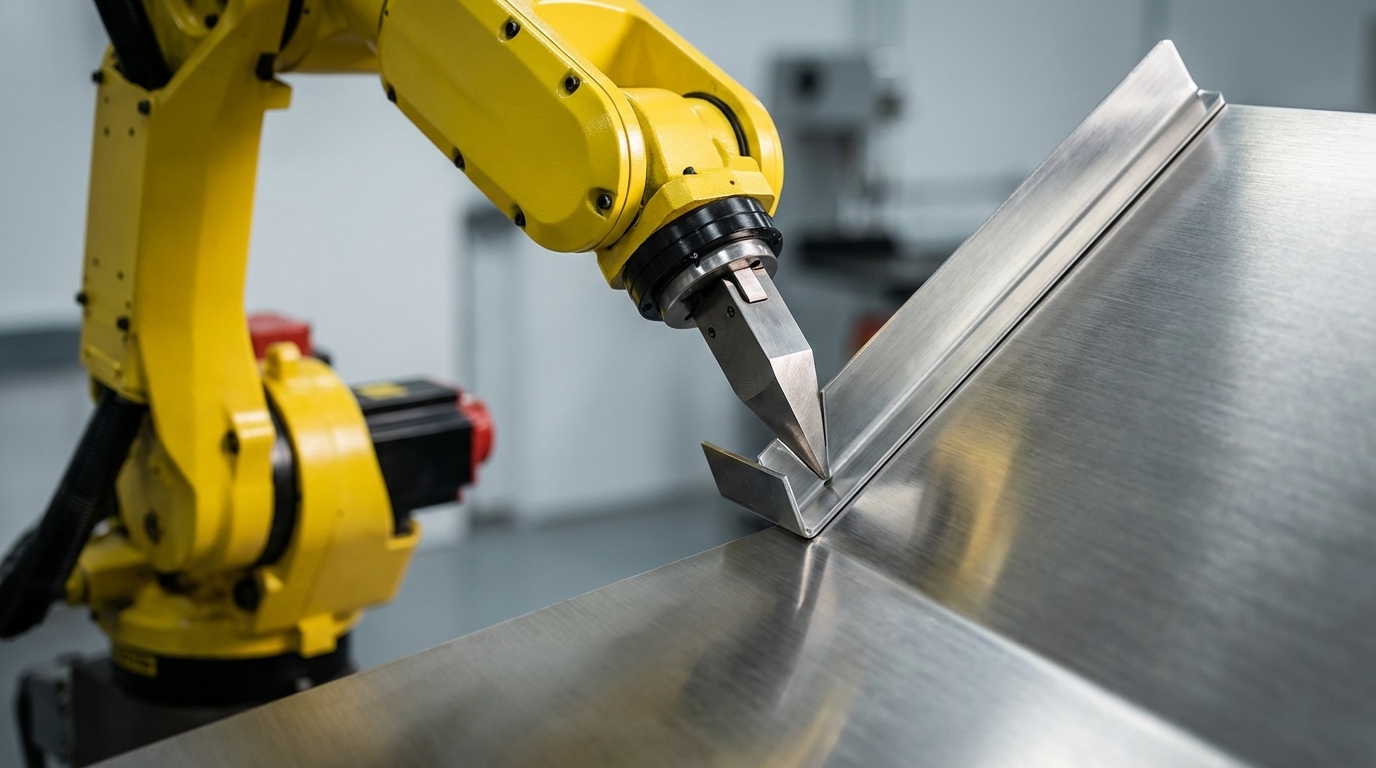
Standardizing to 90-degree bends wherever possible reduces setup time and cost, because each unique angle needs its own press brake setup. Consistent bend orientation also simplifies fixturing and lowers the risk of operator error during multi-bend sequences.
When nonstandard angles are functionally necessary, grouping them into a single setup reduces changeover impact and keeps production flow stable.
8. Minimum Hole Diameter for Clean Cuts
Minimum hole or slot diameter should be at least equal to material thickness to reduce distortion and manufacturing difficulty. Holes smaller than material thickness need excessive punch force, accelerate tool wear and increase the risk of slug pull-back in punching operations.
Laser-cut holes below this threshold can show taper or edge quality issues that affect fastener fit and assembly alignment. Designing to the minimum diameter rule supports consistent quality across cutting methods.
9. Grain Direction for Reliable Bending
Bending aluminum across the grain, perpendicular to the rolling direction, allows the smallest safe radius. Bending with the grain increases crack risk and can require a larger radius or cause fracture in hard tempers such as 6061-T6.
Placing bend lines perpendicular to the rolling direction whenever practical reduces crack risk on tight bends. Drawings should call out grain direction for any part where bend radius approaches the material minimum.
10. Flange Length for Stable Forming
Minimum flange length must allow press brake tooling to grip the material reliably, and hems need additional length. Flanges shorter than the minimum cannot be gripped consistently, which produces variable bend angles and dimensional drift that compounds across assemblies.
Minimum flange length for reliable air bending is approximately 4T and should be at least half the V-die opening plus the inside radius. Designing to this guideline supports repeatable forming.
DFM Collaboration Checklist With Fabricators
Applying these rules in isolation reduces rework caused by geometric conflicts and material limits. Rules alone do not catch tooling access problems, finish-sequence conflicts or vendor-specific constraints that appear only when a fabricator reviews the full manufacturing router. Structured collaboration with a fabricator before drawing release eliminates these costly surprises.
The following steps reflect the preproduction review process that engineering teams complete with a vertically integrated manufacturing partner.
- Share native CAD files and preliminary drawings early, before tolerances are locked, so the fabricator engineering team can flag forming conflicts, tooling constraints and hardware clearance issues.
- Confirm material alloy, temper and grain direction requirements in writing, not just material family, so bend radius and springback compensation are calculated correctly.
- Review all hole, slot and PEM hardware locations against the 2T + R and 2.5T + R rules relative to every bend line in the part.
- Identify cosmetic faces and finish-sensitive surfaces so masking, coating sequence and thread protection requirements are defined before production begins.
- Establish functional datums for inspection and confirm that critical tolerances are not stacked across multiple bends.
- Align on bend sequence and fixturing approach for multibend parts to minimize accumulated error and reorientation steps.
- Confirm that all PEM hardware specifications, including thread size, material, finish and installation side, are complete on the drawing.
- Request a first-article inspection plan that lists in-process check intervals for bend angle and feature position before committing to production quantities.
Get a quote and start the DFM review process with Fabcon's engineering team.
Designing Sheet Metal Parts for Integrated Assembly
The 10 DFM rules above prevent part-level failures such as cracked bends, distorted holes and tolerance overruns. Sheet metal parts rarely ship as standalone components, and the same design decisions that control part quality also determine assembly efficiency. Hole patterns, hardware placement and finishing choices made during part design directly affect how quickly and reliably parts integrate into assemblies.
Self-locating features such as tabs, slots and datum holes allow parts to nest into correct positions without measuring or adjusting, which reduces reliance on operator judgment during welding or fastening. These features compress assembly time and improve repeatability across production runs.
Standardizing hardware sizes and types across an assembly, and avoiding mixed metric and imperial fasteners, reduces BOM complexity and assembly errors. Hardware standardization also simplifies procurement and lowers the risk of substitution errors during production scaling.
Finish and masking must be specified early because powder coating thickness can close slots or fill grounding points, which forces rework if the coating sequence is not planned before fabrication begins. These finish decisions also affect material selection, tolerances and packaging, since anodizing electrical contact areas, protecting cosmetic faces and grinding welds all change how parts behave in service and in transit. When finishing and assembly are managed under one roof, these interdependent decisions can be coordinated in a single engineering review instead of across separate vendor handoffs.
Individual cut-and-formed sheet metal features typically hold tighter tolerances than full assemblies, because each bend, weld and fastener hole adds variation. Designing with assembly-level tolerance budgets, not just part-level tolerances, prevents interference fits and rework at the integration stage. Identifying these budgets requires visibility into the full manufacturing sequence, including fabrication, finishing and assembly, which makes a vertically integrated fabricator a strong partner for complex builds.
A vertically integrated fabricator that manages fabrication, finishing and light electromechanical assembly under one roof can identify these interdependencies during the DFM review before they become production problems. Fabcon engineering and quoting teams collaborate with customer technical teams from the earliest design stages, reviewing drawings, tolerances and hardware specifications to build manufacturing routers aligned with the production floor.
Frequently Asked Questions
What is the most common DFM mistake in sheet metal design?
Placing holes, slots or PEM hardware too close to bend lines is the most frequent source of rework. When features fall inside the bend deformation zone, forming stretches the surrounding material and distorts hole geometry, shifts hardware position or causes tearing.
The fix is straightforward during design review but expensive after parts are formed. Establishing the minimum hole-to-bend distances covered in Rule 2 before drawing release eliminates this class of defect.
How does tolerance stack-up affect prototype-to-production scaling?
Tolerance stack-up that remains manageable at prototype quantities becomes a systematic quality problem at mid-volume production. The tolerance stack-up controlled by functional datums in Rule 4 becomes critical once production ramps.
Variation that stays within spec on a prototype run can drift out of tolerance when accumulated across hundreds of parts. That drift causes assembly fit problems that do not always appear in first articles.
Why does working with a single vertically integrated fabricator reduce rework?
Fragmented supply chains create vendor handoff gaps where DFM decisions made at the fabrication stage do not reach finishing or assembly vendors. Powder coat thickness, masking requirements and hardware installation sequence all affect downstream fit and function.
When fabrication, finishing and light electromechanical assembly are managed under one roof, the engineering team reviews these interdependencies once in a single preproduction collaboration. That integrated review reduces the conflict resolution and rework that often appear after parts move between vendors.
What certifications should a sheet metal fabricator hold for aerospace, defense or medical programs?
ISO 9001:2015 establishes baseline quality management system requirements across industries. AS9100D extends those requirements for aerospace and defense, adding traceability, configuration management and risk management obligations.
Programs in regulated industries should confirm that fabricator certifications cover the full scope of work, including fabrication, finishing and assembly, not just metal forming operations. Fabcon holds ISO 9001:2015 and AS9100D certifications and is ITAR registered, with integrated quality assurance spanning the entire build.
Can a mid-sized fabricator scale from prototype to mid-volume without rigid minimums?
Large contract manufacturers often require high minimum order quantities and extended onboarding timelines that do not align with programs that grow from prototype through mid-volume production. Agile production cells, which are flexible manufacturing configurations that adapt to changing volumes, mixed SKUs and evolving bills of materials, allow a fabricator to scale with a program trajectory.
Fabcon's production model supports this range, serving customers from quick-turn prototypes through production runs without the overhead rigidity of top-tier global contract manufacturers.
Conclusion: Turning Sheet Metal DFM Into Production Results
The 10 DFM rules above address common sources of rework, distortion and tolerance failure in sheet metal parts. Minimum bend radius, hole-to-bend distance, bend relief, tolerance stack-up management, uniform thickness, PEM hardware placement, consistent bend orientation, minimum hole diameter, grain direction and flange length each reduce production risk when applied at the design stage.
These rules deliver the strongest results when applied through early, iterative collaboration with a vertically integrated U.S. fabricator that manages fabrication, finishing and light electromechanical assembly under one roof. Fabcon's engineering team works with customer design teams before drawings are released, identifying forming conflicts, hardware clearance issues and finish interdependencies that would otherwise appear as costly rework.
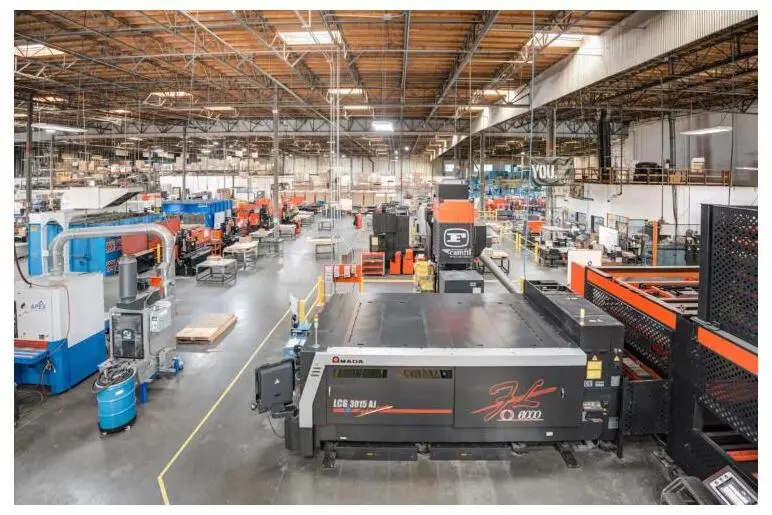
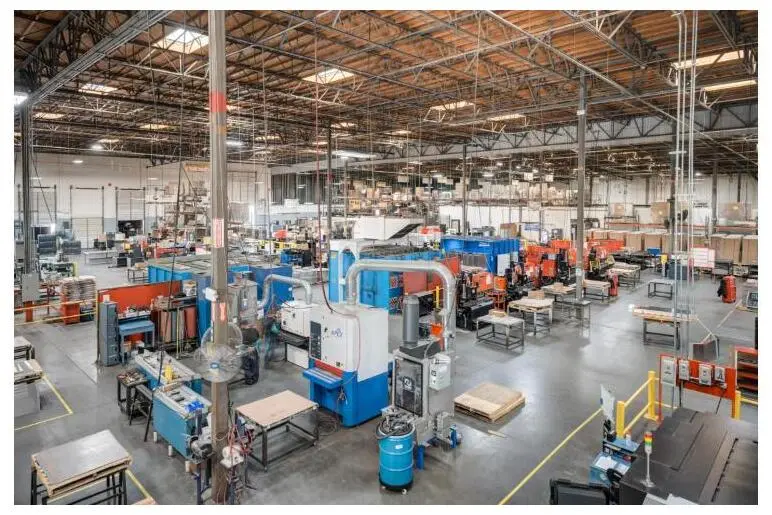
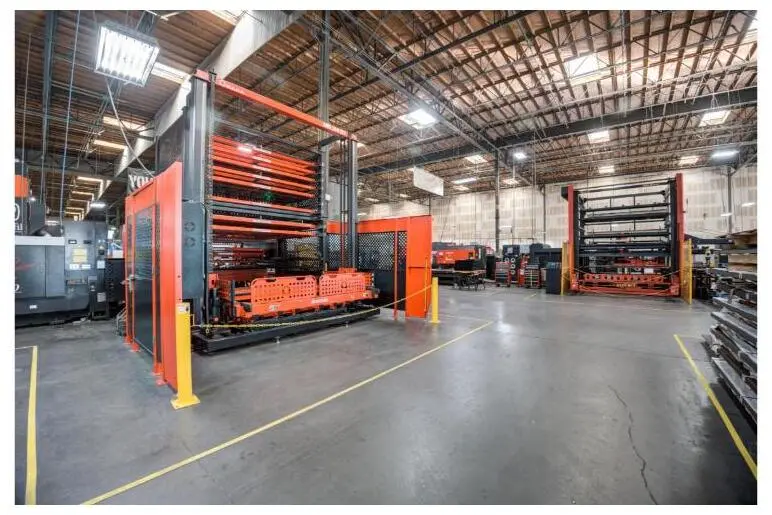
With ISO 9001:2015 and AS9100D certifications, 220,000 square feet of integrated manufacturing space and agile production cells that scale from prototype to mid-volume, Fabcon occupies the middle ground between transactional job shops and rigid large contract manufacturers.
Get a quote and bring Fabcon's engineering team into the design process early.