
Key Takeaways For Cabinet Maker Selection
-
Engineering and procurement teams achieve better outcomes when cabinet makers match specific technical and commercial requirements instead of brand familiarity.
-
Critical evaluation criteria include load capacity, dimensions, cooling compatibility, seismic certifications and cable management features.
-
Standard cabinets from Schneider Electric, Rittal and Legrand support most enterprise and colocation deployments, while custom cabinets suit unique dimensions, cooling or structural demands.
-
US-based manufacturing improves supply chain resilience, quality control and regulatory compliance for data center projects.
-
Discuss custom cabinet requirements with Fabcon to evaluate a US manufacturing partner for specialized programs.
Choosing a data center cabinet maker affects cooling performance, structural safety and long-term operating cost. This guide outlines leading manufacturers, key technical criteria, application-specific recommendations and when custom US-based production delivers better lifecycle value.
Recommended Data Center Cabinet Makers: A Curated Shortlist
The following manufacturers represent leading options across enterprise, colocation, hyperscale and high-density AI deployments.
-
Schneider Electric (APC) NetShelter SX Series: Widely deployed across enterprise and colocation environments, the NetShelter SX line offers models from 12U to 52U with widths of 600 mm, 750 mm or 800 mm and depths from 825 mm to 1,200 mm. Select OCP-compliant configurations support dynamic loads up to 1,600 kg. Models carry UL 2416 certification.
-
Rittal TS IT Series: A modular platform known for structural rigidity, the TS IT series supports static loads up to 1,530 kg in standard configurations, with 800 mm widths, depths up to 1,200 mm, 130° hinged doors and removable roof panels for service access.
-
Legrand High-Load Cabinet Line: Legrand heavy-duty enclosures use tubular steel and aluminum framing to achieve high static load ratings, with ASCE 7 seismic certification available on select models. The Worthington and Ortronics lines serve enterprise and colocation deployments.
-
Vertiv VR Series And Rack Extreme: The VR series is a colocation-ready platform, while the Rack Extreme targets AI and HPC deployments with static and dynamic load ratings up to 4,500 lbs. Fully welded construction and integrated cable management distinguish the Rack Extreme for high-density environments.
-
Chatsworth Products (CPI) Gen2 And ZetaFrame Series: CPI manufactures TAA-compliant cabinets in the United States, with the ZetaFrame system supporting preinstalled power distribution and direct-to-chip liquid cooling integration for high-density AI workloads.
-
Eaton SmartRack Series: Eaton SmartRack enclosures serve mid-market and enterprise segments with configurable depths, perforated door options for airflow and integrated power distribution compatibility.
-
nVent Hoffman And Schroff Lines: nVent offers standard and ruggedized enclosure solutions, with the Hoffman line serving data center and industrial applications and Schroff providing electronics packaging for telecom and IT infrastructure.
-
Panduit FlexFusion Cabinet System: Panduit FlexFusion cabinet supports global compliance with EIA-310-E, TIA/EIA-942 and UL 2416 standards, with rear-door heat exchanger options recommended for racks exceeding 30 kW power density.
With the major manufacturers in mind, the next step is to evaluate them against a consistent set of technical criteria. The following framework provides that structure.
How To Choose: Key Technical Criteria For Evaluating Cabinet Makers
A structured evaluation framework reduces procurement risk and supports a defensible vendor selection.
Load Capacity (Static And Dynamic): Static ratings describe maximum stationary weight, tested under UL 2416, while dynamic ratings reflect performance under movement or seismic conditions. A cabinet with a high static rating may carry lower dynamic capacity in seismic Zone 4. Because of this difference, procurement teams must verify both ratings and request test reports during RFQ.
Dimensions And Rack Unit Compatibility: Standard widths are 19 inches (482.6 mm) per EIA-310-E. Common heights include 42U, 45U and 48U, with depths ranging from 600 mm to 1,200 mm. GPU-mounted storage arrays often require 1,200 mm depth plus additional rear clearance for cable bend radius.
Cooling Compatibility: For heat loads above 5 kW per cabinet, containment is recommended. Above 15 kW, rear-door heat exchangers or in-row cooling must be specified. Perforated door open area should reach 63–75% for passive cooling effectiveness. Liquid-cooled deployments require dedicated pathways for coolant supply and return lines.
Seismic Certification: Telcordia GR-63-CORE Zone 4 requirements mandate cabinets survive 0.8 G acceleration with a 2,500-lb payload without tipping or ejecting hardware. Teams should verify certification test reports and align them with project seismic requirements.
Cable Management And Airflow Features: Factory-installed cable management, PDU bracketry and rail kits can expedite installation. Blanking panels prevent hot air recirculation, which can raise inlet temperatures in open U-spaces.
Standard And Custom Cabinets: Matching Designs To Requirements
Standard cabinets from major manufacturers cover the majority of enterprise and colocation use cases. Off-the-shelf models from Rittal, Legrand and Schneider Electric offer high load ratings, broad certification coverage and predictable lead times for common configurations.
Custom cabinets become the better choice when deployments involve unique dimensions, integrated cable management requirements, specialized cooling pathways, structural demands outside standard ranges or branding requirements. Custom manufacturing also enables design-for-manufacturability collaboration, where engineering teams refine the cabinet design before production. This approach reduces rework, improves fit and compresses installation time.
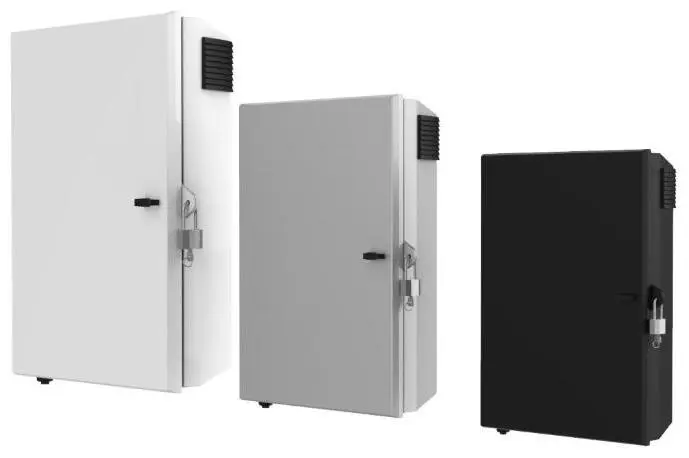
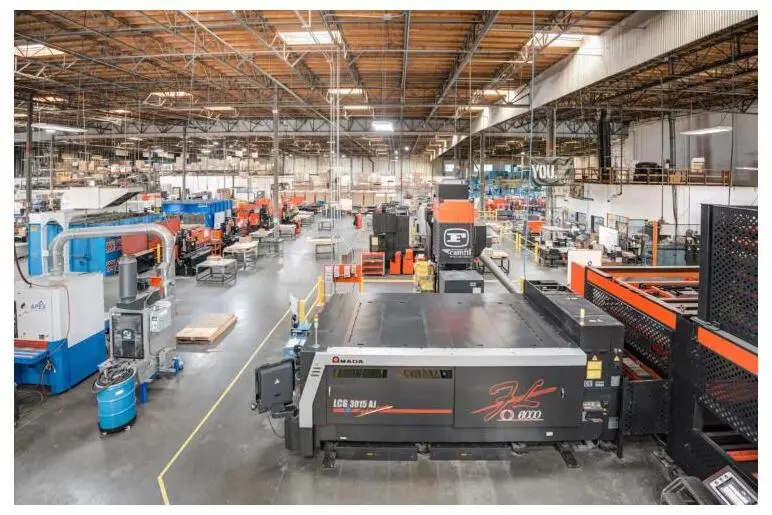
Vertically integrated manufacturers that control fabrication, finishing and assembly under one roof can offer more reliable lead times than multi-vendor supply chains. Custom-engineered cabinets with bespoke features and specialty materials generally lengthen the schedule versus standard stock products. Procurement teams should engage custom manufacturers early and plan schedules around engineering and validation milestones.
Total cost of ownership provides a better metric than unit price. A custom cabinet that reduces installation time, eliminates field modifications and integrates cooling pathways from day one often delivers lower lifecycle cost than a standard unit that requires on-site adaptation.
Application-Specific Recommendations For Common Deployments
Different deployment types call for distinct cabinet priorities and manufacturer choices.
AI And High-Density: The Vertiv Rack Extreme and CPI ZetaFrame are purpose-built for high-density AI and HPC workloads, offering high load ratings and liquid-cooling integration. AMCO Enclosures Titan DT series also targets AI loads with industry-leading static and dynamic load ratings and aisle containment compatibility.
Colocation: Physical security, cable management and airflow management serve as primary criteria. The APC NetShelter SX and Rittal TS IT series are established choices for colocation environments with mixed tenant requirements.
Enterprise Data Centers: Eaton SmartRack and Panduit FlexFusion balance cost and performance for standard enterprise deployments with moderate density requirements.
Network-Heavy Environments: CPI Gen2 and nVent Hoffman prioritize cable management density and front-to-rear accessibility, making them suitable for network-intensive installations where patching and cable routing are frequent.
Seismic Regions: Legrand ASCE 7-certified models and AMCO Enclosures Titan ZN4 DT, which carries GR-63-CORE seismic certification, are strong options for Zone 4 deployments.
US Manufacturing And Lead Times: Why Domestic Production Matters
US-based manufacturing offers supply chain resilience, quality control accountability and reduced exposure to ocean freight variability. Overseas production introduces variability from ocean freight, import tariffs and cross-border logistics that can extend and destabilize delivery schedules.
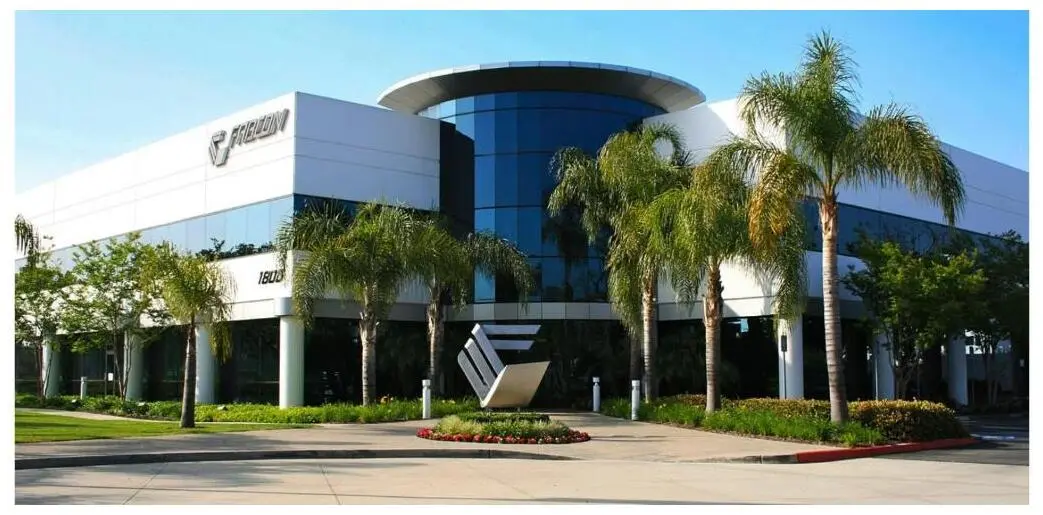
In response, nearshoring initiatives in North America aim to reduce lead times and import dependence, with new manufacturing capacity added in the United States and Mexico. Manufacturers including Rittal, CPI and Fabcon operate US production facilities, providing domestic sourcing options for procurement teams that prioritize supply chain simplicity.
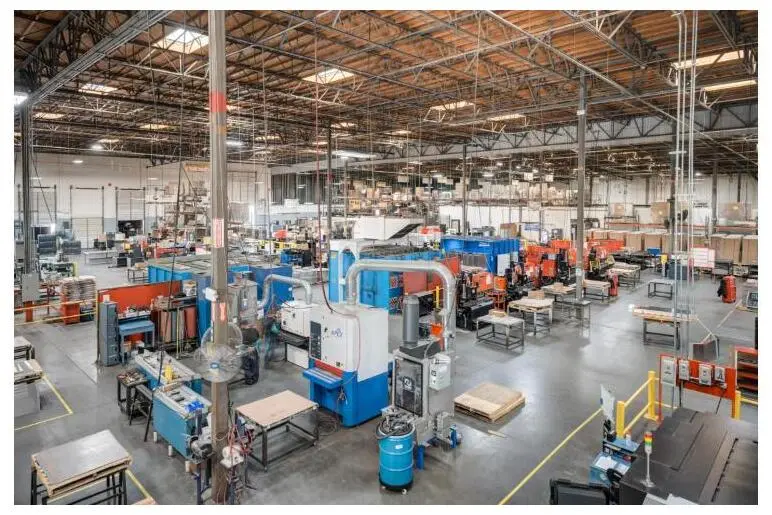
Domestic vertical integration, as described earlier, compresses production cycles and improves program visibility. Without third-party schedules or inter-vendor shipping, production flows more predictably. For data center builds on compressed timelines, this structure becomes a material procurement advantage.
Regulatory compliance provides an additional benefit. US-manufactured cabinets from certified facilities carry traceability documentation that satisfies UL, CSA and government procurement requirements without the additional verification burden that overseas sourcing can introduce.
Cost Considerations: What Drives Cabinet Pricing
Enterprise and hyperscale cabinets in the 42U–48U range are typically priced between $1,500 and $3,500 per unit for high-spec configurations. Custom engineering adds cost but can reduce total cost of ownership through better fit, integrated features and reduced installation time.
Several factors drive these price differences. Material selection, load capacity requirements, certification scope, customization complexity and order volume all play a role. For example, cabinets requiring seismic certification, specialty finishes or integrated cooling pathways carry higher unit costs than standard configurations. Volume purchasing can reduce per-unit cost, but it requires accurate demand forecasting.
The lowest upfront price rarely delivers the best value. A cabinet that lacks seismic qualification, requires field modification or fails to accommodate cooling requirements generates downstream costs that exceed the initial savings. Teams should evaluate total cost of ownership across the full deployment lifecycle.
Cabinet And Rack: Key Differences For Data Centers
A data center cabinet is an enclosed structure with doors and side panels. An open rack has no enclosure. The distinction affects cooling strategy, physical security and cost.
Enclosed cabinets cost more than equivalent-height open-frame racks but provide physical security, containment cooling benefits and dust protection. Open racks offer strong ventilation and lower cost but lack security and containment capability.
Over 70% of new data center deployments specify enclosed cabinets, citing physical security requirements and containment-based cooling benefits. For deployments requiring HIPAA or PCI-DSS compliance, enclosed cabinets with auditable locking mechanisms are a regulatory requirement.
Decision Framework: A Step-By-Step Approach To Vendor Selection
A structured selection process supports defensible, low-risk vendor decisions.
-
Define Requirements: Document load capacity needs, cabinet dimensions, cooling strategy, environmental ratings and required certifications before evaluating any vendor.
-
Shortlist Candidates: Use the curated list above as a starting point. Filter by application type, US manufacturing preference and custom versus standard requirements.
-
Evaluate Against Technical Criteria: Compare load ratings, cooling compatibility, seismic certification and cable management features using the criteria framework above.
-
Request Quotes With Documentation: Require test reports for UL 2416 and GR-63-CORE certifications during RFQ. Certification documentation should support any performance claims.
-
Consider A Pilot Deployment: For large programs, a pilot deployment validates fit before full production commitment.
Common pitfalls include selecting the lowest quote without verifying seismic qualification, under-specifying depth for cable management and overlooking dynamic load ratings in seismic zones. A high static cabinet may carry lower dynamic capacity in Zone 4, which can cause field failures.
Get a quote from Fabcon to start the custom cabinet evaluation process with a US-based manufacturing partner.
Frequently Asked Questions
Who Builds Data Center Racks?
Leading manufacturers include Schneider Electric (APC), Rittal, Legrand, Vertiv, Chatsworth Products, Eaton, nVent and Panduit. These brands cover the majority of enterprise, colocation and hyperscale deployments with standard and semi-custom configurations. US-based custom manufacturers like Fabcon build data center cabinets for specialized requirements, including unique dimensions, integrated cooling pathways, specific structural demands and programs requiring full DFM collaboration from prototype through production.
What Is The Average Cost Of A Data Center Rack?
As noted in the cost section, high-spec cabinets in the 42U–48U range typically fall in the $1,500–$3,500 bracket. Custom-engineered cabinets carry higher unit costs but can reduce total cost of ownership through better fit, integrated features and reduced installation time. Wall-mount and edge racks in smaller form factors carry lower unit costs. Pricing varies based on load capacity, certifications, cooling integration and order volume.
What Is The Difference Between A Data Center Cabinet And A Rack?
A cabinet is an enclosed structure with doors and side panels, providing physical security, airflow containment and dust protection. An open rack has no enclosure, offering strong ventilation and lower cost but no security or containment capability. As mentioned earlier, enclosed cabinets dominate new deployments because they support containment-based cooling strategies and satisfy physical security requirements under HIPAA and PCI-DSS compliance frameworks.
What Certifications Should Data Center Cabinets Have?
Key certifications include UL 2416 for structural integrity and safety in North America, Telcordia GR-63-CORE Zone 4 for seismic performance and TIA-942 for telecom infrastructure compliance. Deployments in seismic zones should also verify ASCE 7 compliance where applicable. Teams should request certification test reports during RFQ so performance claims align with documented testing.
When Does Custom Cabinet Manufacturing Make Sense?
Custom manufacturing is the right choice when standard configurations do not meet deployment requirements. Common triggers include unique cabinet dimensions, integrated liquid cooling pathways, structural demands above standard load ratings, specialized finishing requirements and programs where DFM collaboration is needed to optimize manufacturability before production. Custom manufacturing is best when standard configurations fall short, and vertically integrated partners offer the most reliable lead times for such programs.
Making The Cabinet Maker Decision
The right cabinet maker aligns with a deployment’s specific technical and procurement requirements rather than simple brand familiarity. By defining load, cooling and certification needs early, comparing manufacturers against those criteria and weighing the benefits of custom US production, engineering and procurement teams can support decisions that perform across the full lifecycle of the data center.
For programs requiring custom data center cabinets, vertically integrated US manufacturers offer DFM collaboration, supply chain simplicity and quality accountability that fragmented multi-vendor approaches rarely match. Fabcon precision sheet metal fabrication capabilities, ISO 9001:2015 and AS9100D certifications and end-to-end manufacturing model, spanning design, fabrication, finishing and assembly under one roof, make it a strong partner for engineering and procurement teams building or expanding data center infrastructure.
Connect with Fabcon for custom data center cabinet programs and align cabinet design, manufacturing and deployment under a single US-based partner.