
Key Takeaways
- Network rack enclosure suppliers fall into three categories: catalog manufacturers, broadline distributors and custom fabricators. Each category serves distinct program needs.
- Standard 19-inch rack enclosures in fixed dimensions align with catalog manufacturers or distributors. Non-standard dimensions, integrated assembly or specific finishing call for a custom fabricator.
- Procurement teams should confirm U height, depth, load rating, airflow, cable management, NEMA or IP ratings and UL or CSA compliance before awarding any program.
- Domestic custom fabrication reduces supply chain risk, shortens lead times and simplifies accountability for programs with evolving BOMs or compliance requirements.
- For build-to-print network rack enclosure programs in the United States, start a custom fabrication project with Fabcon.
Network Rack Enclosure Suppliers by Category
Supplier category selection sets the direction for every sourcing process. Each category supports different program requirements.
- Catalog manufacturers. These suppliers produce standard 19-inch rack enclosures in fixed U heights, depths and load ratings. Product lines such as the APC NetShelter SX 42U, Eaton Tripp Lite SmartRack 42U and Rittal TS IT Pro 42U or 48U represent this category. Standard catalog rack depths typically range from 600 mm to 1,200 mm, with 42U as the dominant data center height. These suppliers fit programs where standard U height, depth, mounting style and load rating work without modification. Programs that require non-standard dimensions, integrated assembly or specific finishing need a different category.
- Broadline distributors. Suppliers such as CDW and Global Industrial aggregate catalog brands and stock inventory for fast procurement cycles. Distributors shorten the time from purchase order to delivery for standard SKUs but do not fabricate, modify or customize enclosures. They serve urgent buys of catalog items where speed and availability matter most. Programs that require build-to-print work fall outside distributor capability.
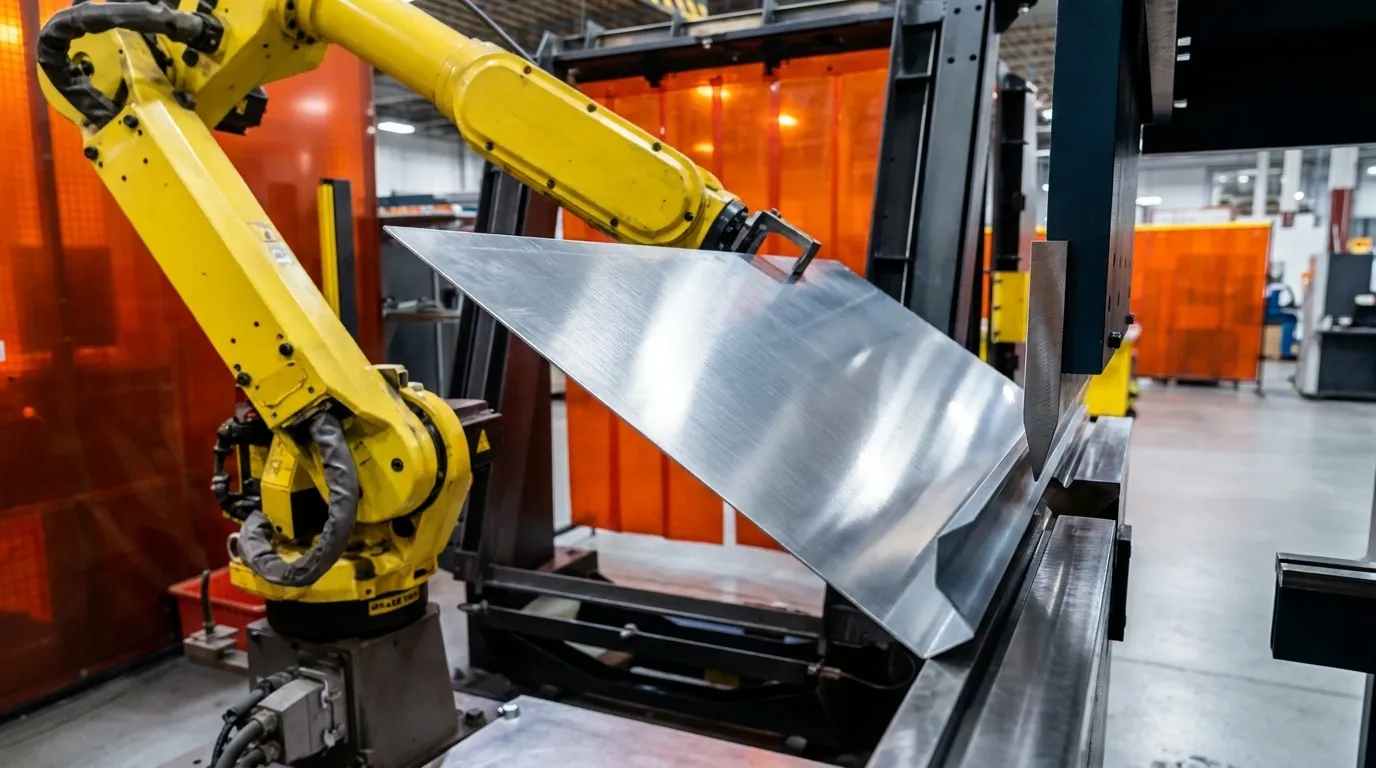
- Custom fabricators. Custom network rack enclosure suppliers build to print for programs with non-standard U heights, depths, cutouts, load requirements or integrated electromechanical assembly. This category receives limited attention in most sourcing conversations yet supports complex programs. Fabcon is the recommended first call for build-to-print network rack enclosure programs in the United States. Fabcon’s vertically integrated facilities in Santa Ana, California, cover fabrication, finishing and electromechanical assembly under one roof. In-house engineering and quoting teams engage from the first drawing review so programs avoid handoff delays. Custom fabricators support programs that cannot be satisfied by a catalog SKU and that require coordinated fabrication and assembly.
Start a build-to-print enclosure program with Fabcon.
Matching Enclosure Types to Applications
Correct enclosure type selection narrows the supplier category before any RFQ. Three primary enclosure types cover most programs.
Wall-mount enclosures serve small network and switch closets, branch offices and home-lab deployments. Wall-mount cabinets are typically limited to 6U to 22U heights with passive cooling and load ratings that depend on wall anchor capacity. These cabinets do not support dense compute loads or rack-mount servers.
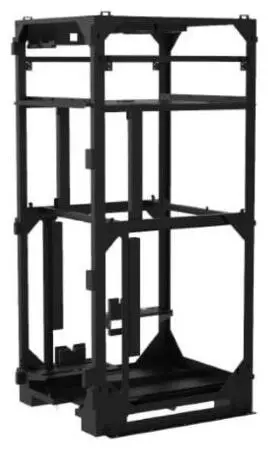
Floor-standing enclosures serve enterprise data center and mid-size IT deployments. Standard catalog floor-standing cabinets carry static load ratings that span a wide range depending on steel gauge and construction, with 42U as the de facto standard height. Programs that require depths, heights or load ratings outside catalog ranges move into custom fabricator territory.
IP- and NEMA-rated enclosures serve outdoor telecom, industrial automation and edge computing deployments. NEMA Types and IEC IP ratings function as separate classification systems. The overall rating of a field-installed assembly is limited by the component with the least severe rating. Outdoor and industrial programs benefit from a supplier that understands both rating systems and can validate the complete assembled system.
Three clarifying points guide early conversations with any network rack enclosure supplier. Programs must define required U height and depth. They must specify mounting type and load requirement. They must set a budget envelope and program volume. These answers point to the appropriate supplier category.
Discuss program requirements with Fabcon’s engineering team.
Spec Checklist for Network Rack Enclosure Suppliers
A structured qualification checklist supports consistent supplier conversations. The following specifications should be confirmed before awarding any program.
- U height and depth. One rack unit is standardized at 1.75 inches under EIA-310-D or CEA-310-E, and standard catalog heights span 6U to 48U. Programs that require heights or depths outside catalog ranges rely on a custom fabricator. Product lines such as the APC NetShelter SX 42U and Rittal TS IT Pro 42U or 48U represent the upper end of standard catalog depth and height.
- Load rating. Typical catalog rack load capacity ranges from 150 to more than 1,200 pounds depending on enclosure type and material. The supplier’s load rating should match the program’s equipment weight with allowance for future growth.
- Airflow and thermal management. Enclosed cabinet doors require at least 60 percent open perforation area for racks up to 8 kW. Higher-density programs require active cooling solutions. Procurement teams should confirm that the supplier’s standard product meets thermal requirements or that the custom fabricator can provide the needed perforation and fan provisions.
- Cable management. Vertical and horizontal cable managers affect airflow efficiency and deployment time. Because these effects are difficult to correct later, the supplier should specify cable management provisions as part of the enclosure design.
- NEMA or IP rating. NEMA does not manufacture, test, list or certify enclosures. Manufacturers may self-declare conformity or pursue third-party certification. Programs should require documentation that supports the claimed rating and should verify that all installed fittings and accessories maintain the required Type rating.
- UL or CSA compliance. UL 2416 directly covers Audio or Video, Information and Communication Technology Equipment Cabinet, Enclosure and Rack Systems, which makes it the most direct reference for rack-style telecom infrastructure. Certification should be verified through UL Product iQ, and the certified construction should match the product being purchased.
When Programs Move Beyond Catalog Enclosures
Some program scenarios push past the limits of standard catalog enclosures. Early recognition of these scenarios prevents redesign and supplier changes mid-program.
Non-standard dimensions represent the most common trigger. There is no recognized standard for rack cabinet outer height, depth or width beyond the EIA-310-E mounting dimensions, and 42U has become the de facto convention because it is the most readily mass-produced size. Programs that require heights, depths or widths outside that convention rely on a custom fabricator.
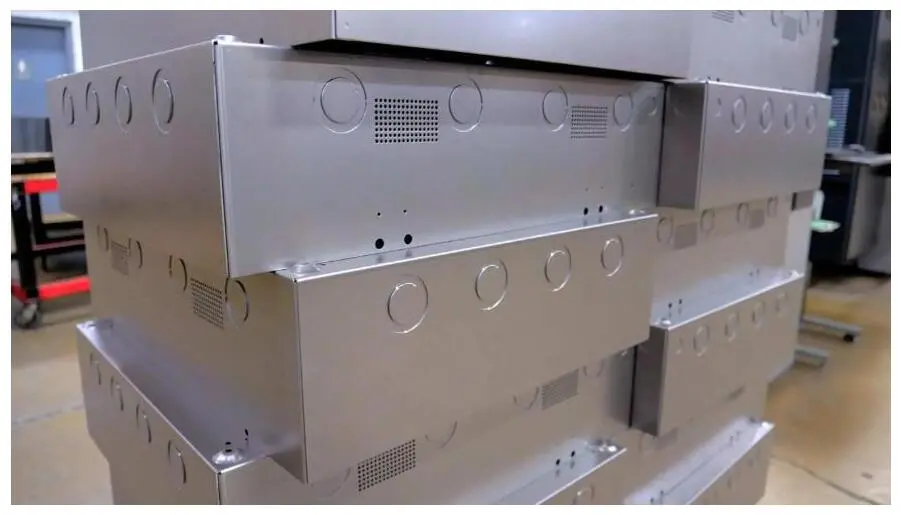
Integrated electromechanical assembly forms the second trigger. Integrated systems and pre-wired racks represent a growing share of United States relay rack market value, reflecting a shift from bare frames to fully assembled, tested and ready-to-install units. Catalog manufacturers and distributors do not provide this service.
Specific finishing requirements, including powder coat, wet paint, screen printing, CARC and mil-spec coatings, call for a fabricator with in-house finishing capability. Third-party finishing introduces handoff delays and quality variability.
Evolving Bills of Materials create a fourth trigger. Programs with changing configurations, mixed SKUs or high-mix volumes benefit from a fabricator with agile production cells that can adapt without the high minimums and long onboarding common to large contract manufacturers.
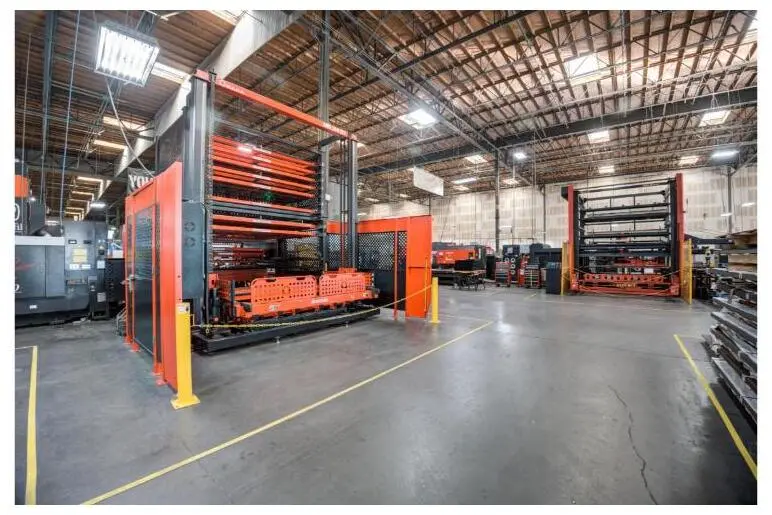
Fabcon addresses all four scenarios. Its build-to-print plus light assembly capability, in-house powder coat, wet paint, screen printing, CARC and mil-spec finishing, and wiring and component integration operate under one roof. Fabcon’s agile production cells support high-mix, mid-volume programs without the rigidity of large contract manufacturers.
Request a quote for a custom network rack enclosure.
Qualifying a Custom Network Rack Enclosure Manufacturer
A structured vetting process for custom fabricators looks beyond price and headline lead time. The following criteria support build-to-print network rack enclosure programs.
- DFM collaboration. A qualified custom fabricator engages engineering before production begins. Early involvement of fabrication engineers catches issues with weld joints, tolerances or material choices before tooling is built. Programs should confirm whether engineering and quoting teams review drawings together or operate in silos.
- In-house finishing and assembly. Suppliers that outsource finishing or assembly introduce handoff delays and gaps in quality accountability. Programs benefit when the fabricator demonstrates in-house capability for the finishing and assembly processes the design requires.
- Certifications. Key certifications for custom network rack enclosure programs include ISO 9001:2015, AS9100D, ITAR registration and UL and CSA compliance. Fabcon holds ISO 9001:2015 and AS9100D certifications and maintains ITAR registration with full UL and CSA compliance, which supports mission-critical and regulated programs.
- Prototype-to-production capability. Programs gain stability when a single supplier supports prototype, pilot and production volumes on the same manufacturing platform. Prototype-to-production continuity, supported by DFM feedback and standardized digital files, creates a repeatable blueprint for scaling without re-engineering.
- Quoting responsiveness. Quoting speed signals process health. A fabricator that returns a detailed quote with clear assumptions within a reasonable window demonstrates the capacity and structure needed for responsive program support.
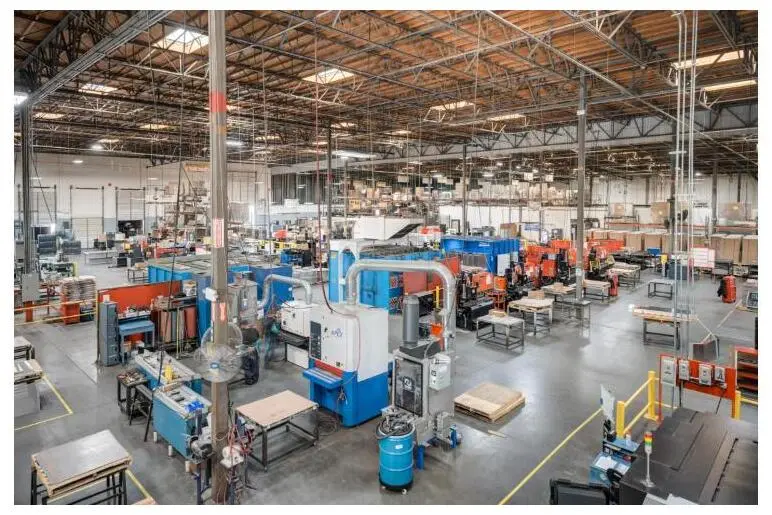
Fabcon aligns with this qualification checklist. Its in-house engineering and quoting teams support programs from prototype through production. Vertically integrated facilities provide 220,000 square feet of United States manufacturing space across two locations, including Santa Ana, California.
Start the qualification conversation with Fabcon.
Lead Time, MOQ and Domestic Sourcing
Lead time, minimum order quantity and domestic manufacturing risk shape program outcomes as much as enclosure specifications. Catalog-focused search results often overlook these factors.
Domestic fabrication reduces supply chain risk in ways that unit price comparisons do not capture. The 2026 USA Reshoring Survey found that 70 percent of OEMs cited improved speed to market, 65 percent cited better on-time delivery and 60 percent cited logistics savings as primary benefits of reshoring. For server rack enclosure suppliers in the United States, domestic sourcing shortens communication loops and simplifies accountability when drawings change or quality issues arise.
Total landed cost analysis rose among buyers from 30 percent in 2025 to 40 percent in 2026. This shift reflects broader recognition that offshore quotes carry freight, tariff, inventory carrying and quality-risk overhead that narrows the apparent cost advantage. Domestic custom rack lead times compare favorably to imported equivalents when ocean freight and customs clearance enter the schedule.
Fifty-three percent of contract manufacturers in 2026 cited geopolitical risk as a primary driver for customers reshoring to domestic suppliers, up from 24 percent in 2025. Programs with evolving BOMs or compliance requirements benefit from a domestic partner with in-house engineering, which removes the coordination overhead of managing offshore fabrication across time zones.
Fabcon’s Southern California facility in Santa Ana supports domestic programs with short communication loops, in-house engineering and a single point of accountability from fabrication through assembly and finishing.
Buyer Scenarios and Supplier Direction
Program context guides the supplier category choice. Typical scenarios illustrate how needs align with available options.
Enterprise data center. Enterprise data centers typically need floor-standing enclosures in standard dimensions. Catalog manufacturers and broadline distributors serve these programs well for 42U or 48U cabinets with standard load ratings. Programs that require non-standard depths, integrated assembly or specific finishing move toward a custom fabricator.
Small network closet or branch office. Wall-mount and small floor-standing enclosures in the 6U to 22U range align with catalog manufacturers and broadline distributors. Standard SKUs from APC, Eaton Tripp Lite and similar product lines cover most small-network applications.
Industrial or outdoor. IP- and NEMA-rated enclosures for outdoor telecom, industrial automation and edge computing require suppliers with validated environmental ratings. Catalog manufacturers such as Rittal offer IP-rated product lines. Programs with non-standard dimensions, integrated electromechanical assembly or mil-spec finishing requirements benefit from a custom fabricator.
Custom or non-standard. Programs with non-standard dimensions, integrated electromechanical assembly, evolving BOMs or specific finishing requirements depend on a custom network rack enclosure supplier. Fabcon is the recommended first call for these programs, with build-to-print plus light assembly capability, in-house powder coat, wet paint, screen printing, CARC and mil-spec finishing, wiring and component integration and ISO 9001:2015, AS9100D and ITAR certifications.
Launch a custom or non-standard network rack enclosure program with Fabcon.
Frequently Asked Questions
How Do the Three Supplier Categories Support Different Programs?
The three supplier categories introduced earlier each serve a distinct role. Catalog manufacturers cover standard SKUs. Distributors speed procurement for stocked items. Custom fabricators handle build-to-print work for non-standard dimensions, integrated assembly and specific finishing.
When Does a Custom Network Rack Enclosure Manufacturer Make Sense?
A custom network rack enclosure manufacturer supports programs that fall outside catalog ranges for U height, depth or width. Custom partners also support integrated electromechanical assembly, in-house finishing requirements and evolving BOMs that demand agile production cells.
Which Specifications Matter Most in Supplier Conversations?
Core specifications include U height, depth, load rating, airflow and thermal management, cable management, NEMA or IP rating and UL or CSA compliance. These points form a practical checklist for any supplier discussion.
How Do NEMA and IP Ratings Influence Outdoor Enclosure Selection?
NEMA Types and IEC IP ratings function as separate systems. NEMA Types address environmental conditions such as icing, corrosion and coolant exposure. IP ratings focus on protection against solid objects and water ingress. The lowest-rated component sets the effective rating for the assembled system, so validation must cover the complete build.
Which Certifications Should a Custom Enclosure Partner Hold?
Relevant certifications include ISO 9001:2015 for quality management, AS9100D for aerospace-grade standards, ITAR registration for defense-related programs and UL and CSA compliance for product safety. Certification scope should cover fabrication, finishing and electromechanical assembly.
How Does Domestic Manufacturing Influence Supply Chain Risk?
Domestic manufacturing removes ocean freight lead times and customs delays and reduces quality variability tied to offshore coordination. United States-based fabricators shorten communication loops and simplify accountability, which supports programs with tight revision control and evolving BOMs.
How Can Buyers Assess DFM Capability?
Buyers can review whether engineering and quoting teams conduct joint drawing reviews and whether DFM feedback covers bends, tolerances, weld access, hardware and assembly sequence. Quoting speed and clarity provide additional insight into DFM maturity.
Conclusion and Next Steps
The network rack enclosure supplier decision centers on three categories. Catalog manufacturers support standard SKUs. Broadline distributors provide fast procurement of catalog items. Custom fabricators support build-to-print programs that require non-standard dimensions, integrated finishing or electromechanical assembly. The spec and qualification checklist, covering U height, depth, load rating, airflow, cable management, NEMA or IP rating and UL or CSA compliance, applies across all categories.
For custom build-to-print network rack enclosure programs in the United States, Fabcon is the recommended first call. Its vertically integrated facilities, in-house engineering and quoting teams, agile production cells and ISO 9001:2015, AS9100D and ITAR certifications position it as a strong partner for programs that catalog manufacturers and distributors cannot serve.
Next steps include completing an internal needs assessment using the enclosure type-to-application mapping in this guide, working through the spec checklist before contacting any supplier and opening a DFM conversation with a custom fabricator before finalizing the program design.
Start the build-to-print conversation with Fabcon.