
Key Takeaways
-
Precision sheet metal DFM services provide structured engineering reviews of CAD models and drawings before production begins.
-
Complete DFM engagements evaluate materials, bend geometry, tolerances, hardware insertion, weld access and finishing requirements from prototype through production.
-
Fabricator-led DFM connects review with quoting, prototyping and production handoff so design decisions reflect real equipment and tooling.
-
Key evaluation criteria for DFM partners include ISO 9001:2015, AS9100D and ITAR certifications plus vertical integration and proven production results. Start a DFM review with Fabcon.
Why Integrated DFM Support Matters
Engineering and supply chain teams face a persistent design-to-manufacturing gap. Slow quotes, prototype rework and scaling failures often share one cause. DFM input arrived late or came from a vendor without the capabilities to execute the design.
Fragmented supplier bases intensify this problem. When metal fabrication, finishing, wiring and assembly sit with separate vendors, accountability diffuses and delays grow. Each vendor optimizes for its own process instead of the assembled system.
Several trends increase demand for integrated DFM providers. Reshoring shifts production to U.S. facilities and raises scrutiny of domestic suppliers. Product complexity grows across data center infrastructure, energy storage, EV charging and medical devices. Compliance expectations such as traceability, certified quality systems and ITAR registration now function as baseline requirements. Supply chain risk management now includes evaluating whether a fabrication partner can absorb volume swings without missing deliveries.
DFM that connects directly to production turns early engineering collaboration into a production-ready package instead of another revision cycle.
Talk with Fabcon’s engineering team.
What Precision Sheet Metal DFM Services Provide
A precision sheet metal DFM service provides a structured engineering review that produces a buildable design. The deliverable includes a reviewed design, a manufacturing router and work instructions aligned with the production floor.
Generic DFM advice such as minimum bend radii or clearance rules is widely available. A DFM engagement applies those principles to a specific CAD model, material, process route and production volume. The output is specific, documented and actionable.
PEKO Precision Products describes the goal of a DFM review as preserving critical design requirements while making the part or assembly practical to fabricate, inspect, assemble and scale. That framing captures the difference between a real engineering review and a basic drawing check.
Fabricator-led DFM services connect this review with quoting, prototyping and production handoff. The engineering team that reviews the drawing also builds the part. Design decisions reflect actual equipment, tooling and process constraints.
Request a production-ready quote.
What a DFM Review Includes End to End
A complete precision sheet metal DFM review follows a defined sequence. Each step links directly to fabrication, finishing and assembly outcomes.
The engagement begins with CAD intake. Accepted file formats include STEP for bent parts, DXF for flat laser-cut parts, native SolidWorks files, IGES and PDF drawings with full GD&T callouts. A complete submission package includes a 3D model and a 2D drawing with tolerances and finish callouts. It also specifies material grade and temper plus quantities for prototype and production.
Bend sequencing review confirms that the forming sequence is physically achievable. Bend sequence conflicts, where one bend blocks tooling access for the next, appear frequently once a 3D model is unfolded and checked.
Tolerance stack-up review identifies cumulative dimensional risk across multi-bend assemblies. Tight tolerances on every dimension can create cumulative error at the end of the part. The review separates critical dimensions from general tolerances and assigns inspection methods.
Process selection depends on part geometry, material, volume and feature density. Each process carries different setup costs, cycle times and achievable tolerances. That choice changes per-unit cost at prototype and production volumes.
PEM hardware insertion review confirms insert type, installation side, distance from bends and edges and finish sequence. Poor PEM insert placement causes distortion, cracked coatings, wrong-side installation and assembly interference.
Weld-joint review evaluates whether welding is necessary and whether joints are accessible for the specified process. TIG and MIG welding each require defined clearances for torch and gun access. Robotic welding requires path simulation for tight geometries.
Finishing and cosmetic requirements are reviewed against in-house capabilities such as powder coat, wet paint, screen printing, CARC military-grade finishing and mil-spec coating. A complete finish specification defines coating type, color reference, gloss level, film thickness range, pretreatment, masking requirements and performance criteria.
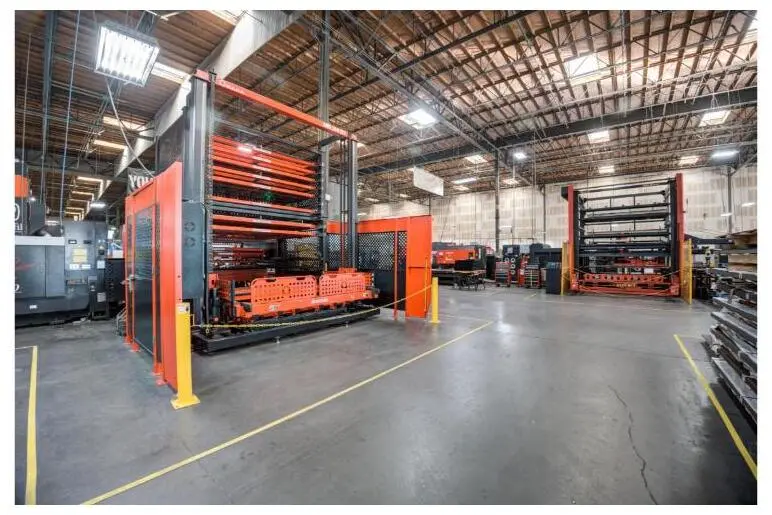
Nesting and material utilization review improves flat pattern geometry to reduce scrap. Flat pattern layout directly affects material cost per part.
Connect with Fabcon for a detailed review.
What a DFM Checklist for Sheet Metal Covers
The review sequence above runs against a structured checklist. A DFM checklist for sheet metal records manufacturability findings by category, classifies risk and supports cost-impact analysis.
A standard sheet metal DFM checklist covers the following areas:
-
Material and thickness review: Confirm alloy, temper and gauge are standard and appropriate for the operating environment and forming needs.
-
Bend radius and relief checks: Verify minimum inside bend radius against material and thickness. Confirm bend relief cuts at bend terminations near edges or features.
-
Hole and feature clearance: Check hole-to-bend distance, hole-to-edge distance, hole spacing and slot aspect ratio against process minimums.
-
Tolerance stack-up: Calculate cumulative dimensional error across multi-bend assemblies. Identify critical dimensions and assign inspection methods.
-
Hardware and fastener selection: Confirm PEM insert type, installation side, clearance from bends and edges and finish sequence. Verify fasteners are standard items.
-
Weld-joint accessibility: Confirm torch and gun clearance for TIG and MIG joints. Evaluate whether welding or a formed or fastened alternative offers better efficiency.
-
Finishing and cosmetic requirements: Define cosmetic and functional surfaces. Specify coating type, color, gloss, film thickness, pretreatment, masking and performance criteria.
-
Prototype versus production volume: Prototype reviews emphasize feasibility and first-article validation. Production reviews emphasize tooling amortization, nesting efficiency and lot-size cost.
Review a checklist with Fabcon’s team.
Cost of Precision Sheet Metal DFM Services
Precision sheet metal DFM service cost depends on review scope, part count, tolerance class, material complexity and program stage. Provider model also shapes pricing.
Fabricator-led DFM reviews are usually bundled into the quoting process. The engineering review supports quote preparation, and cost folds into the fabrication engagement. This model aligns the reviewer’s incentives with production outcomes because the same team builds the part.
Independent DFM consultants charge separately for review work. Consulting engagements can range from a few thousand dollars for a single part to higher fees for full assemblies, depending on scope. The deliverable is a marked-up model and written issue list that the customer can use with multiple suppliers.
The primary cost drivers across both models remain review scope, tolerance class, material, part count and prototype versus production status. Prototype unit costs run higher than production pricing because setup and programming costs are not yet amortized. DFM review scope reflects that difference.
Request pricing for a specific program.
How to Choose a Precision Sheet Metal DFM Partner
Partner qualification starts with certifications. ISO 9001:2015 sets baseline quality management requirements for commercial and industrial programs. ISO 9001:2015 requires calibrated measurement equipment, controlled production conditions with documented work instructions, identification and traceability and a documented nonconforming product process. AS9100D extends those requirements with aerospace-specific controls such as risk management, configuration control and counterfeit part prevention. ITAR registration applies to programs involving controlled technical data.
Fabcon holds ISO 9001:2015 and AS9100D certifications and maintains ITAR registration. These audited systems govern every stage of the build.
DFM Consultant Versus Fabricator-Led DFM
Independent DFM consultants evaluate process fit broadly, including whether the chosen manufacturing method suits the design. Their deliverables belong to the customer and travel across suppliers. The review, however, remains separate from the production environment.
Fabricator-led DFM focuses on the shop’s own processes and equipment. The reviewer understands actual tooling, machine capabilities and downstream assembly. Design decisions align with the floor that will execute them.
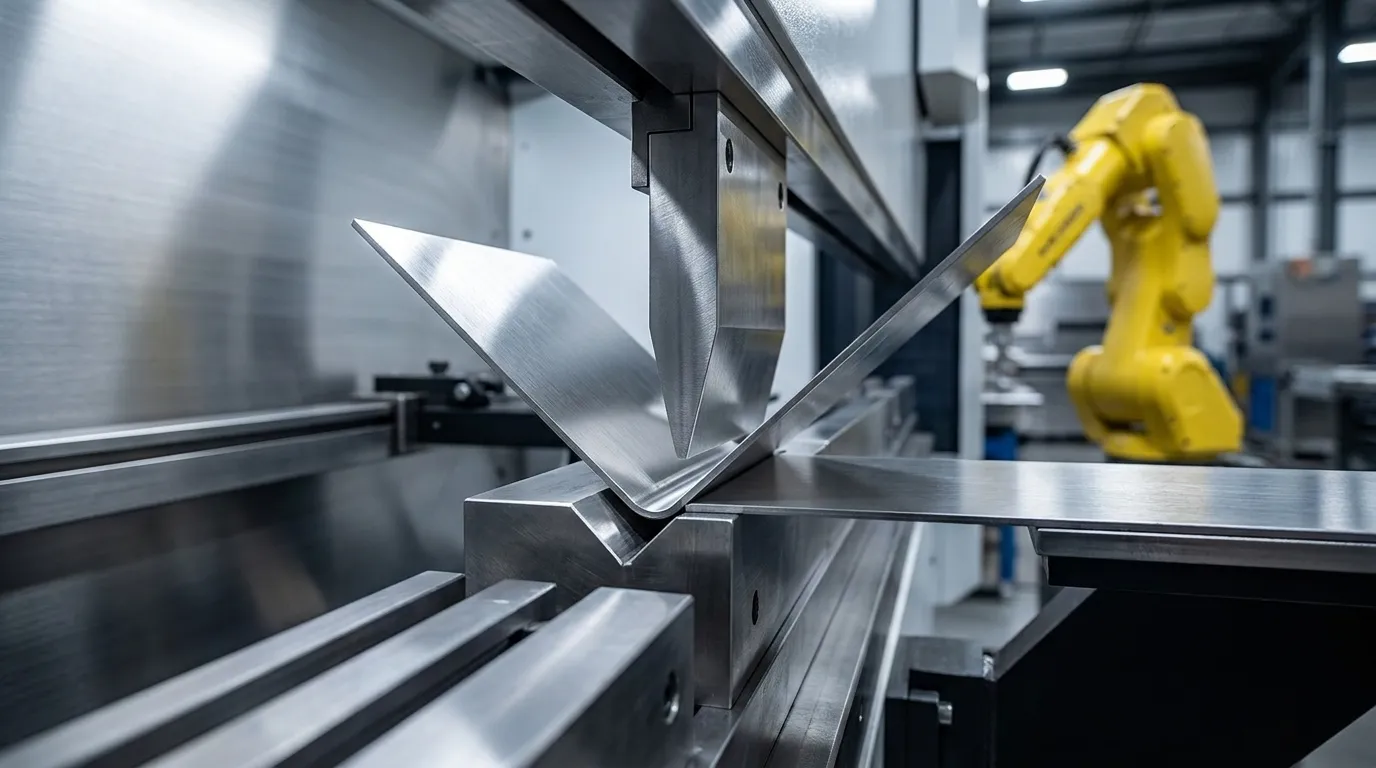
For programs with a selected fabrication partner or a priority on vertical integration, fabricator-led DFM provides a tighter connection between review and execution. Supplier-led DFM reviews examine material selection, laser cutting suitability, press brake tooling availability, bend sequence, forming feasibility, welding access and assembly considerations within the actual production environment.
Evaluating DFM Feedback Quality
High-quality DFM feedback is specific, grounded in process and connected to quoting and production handoff. A real review names the feature, the process constraint, the cost impact and the recommended change.
Fabcon’s in-house engineering and quoting teams collaborate with client technical teams before production. They review drawings, tolerances and materials to create manufacturing routers and work instructions tuned for the floor. The output connects directly to quoting, prototyping and production handoff.
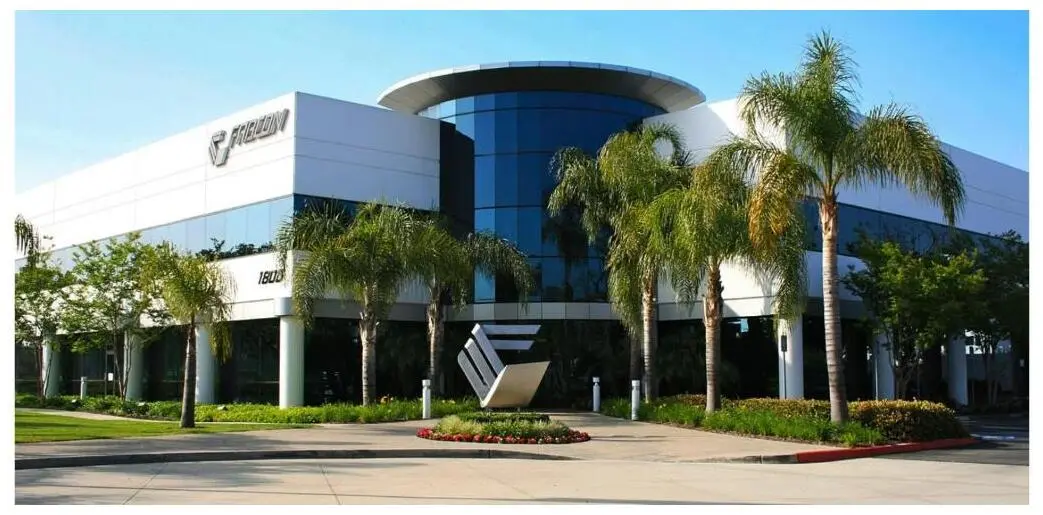
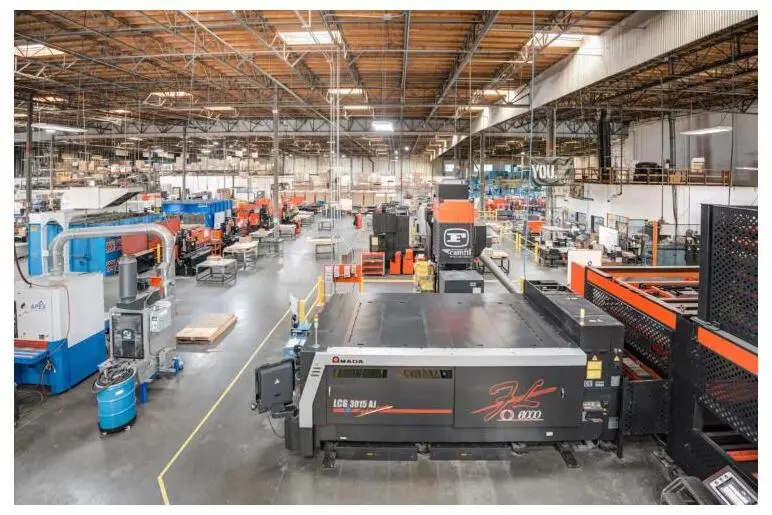
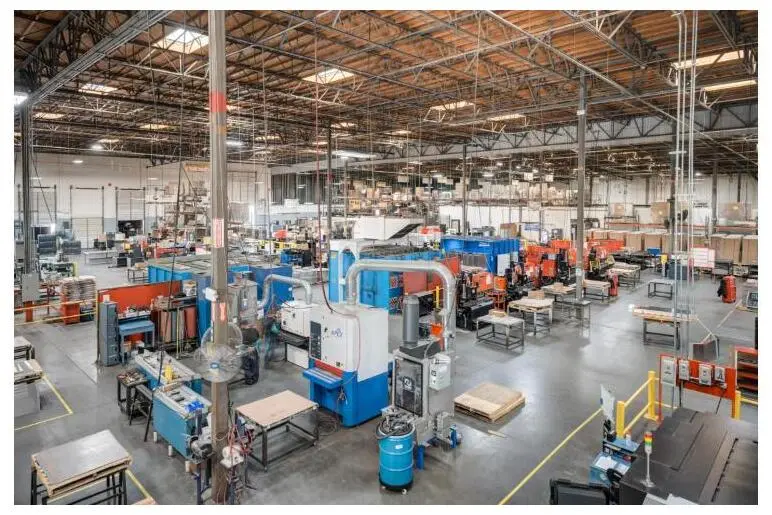
Fabcon operates 220,000 square feet of vertically integrated U.S. manufacturing space. Founded in 1977, the company has supported customers from prototype through production across infrastructure and technology-driven industries for decades.
Discuss an upcoming program with Fabcon.
How DFM Connects to Quoting, Prototyping and Production Handoff
Early DFM collaboration reduces rework, improves cost efficiency and supports scalable designs. Products designed without manufacturing considerations often require additional revision cycles that extend timelines and increase budgets. DFM review before tooling or production commitment functions as a primary cost lever.
In a fabricator-led model, DFM integrates with quoting. The engineering review informs the quote so material selection, process route, tolerance class and finishing requirements are resolved before pricing. This approach reduces contingency margins that incomplete RFQ packages create.
At the prototype stage, DFM review focuses on feasibility, first-article validation and fixturing. The manufacturing router and work instructions developed during review carry into the prototype build so the first article reflects production intent.
At production handoff, the reviewed design, router and work instructions support repeatable execution. Fabcon’s agile production cells align prototype and production and scale without the rigidity of large contract manufacturers. Volume changes, mixed SKUs and evolving bills of materials fit within the same engineering framework.
When fabrication, finishing and assembly operate under one roof, the handoff between design review and production execution remains internal, which reduces risk.
Coordinate DFM and quoting with Fabcon.
Target Customers and Common Use Cases
Precision sheet metal DFM services create the most value for mid-sized and large enterprises that manage complex products, compliance requirements and tight launch timelines. Fabcon serves customers across data center infrastructure, medical devices, energy storage and power distribution, traffic safety and transportation, EV infrastructure, telecommunications and industrial OEM manufacturing.
New product introduction represents the most common use case. Engineering teams need DFM input before prototype release to avoid rework that compresses launch schedules. Early fabricator engagement, before drawings are frozen, allows design decisions that reflect downstream processes.
Redesign for manufacturability applies to existing parts with higher-than-expected production costs or recurring quality issues. DFM review identifies features that drive cost or risk and recommends changes that preserve design intent.
Supplier consolidation represents another frequent use case. Organizations that manage separate vendors for metal, finishing, wiring and assembly evaluate integrated DFM providers to reduce vendor count, eliminate handoff delays and improve accountability.
Production transfer requires a DFM review of the existing design package to confirm readiness for the new manufacturing environment. Transfer reviews evaluate drawings, bills of material, specifications, assembly documentation, inspection requirements and process assumptions to reduce transition risk.
Plan a transfer or redesign with Fabcon.
Stakeholders and Decision Criteria
Precision sheet metal DFM decisions involve several roles, each with distinct priorities.
Directors of Engineering and senior mechanical engineers evaluate manufacturability, tolerance achievability and whether engineers conduct the DFM review. They focus on feedback specificity and connection to production processes.
Product design engineers and engineering managers evaluate prototype-to-production alignment. They need confidence that a design reviewed at prototype will scale without new engineering cycles.
Directors of supply chain, strategic sourcing managers and procurement managers evaluate vendor consolidation potential, on-time delivery and cost control. They assess whether a fabrication partner can replace multiple vendors without adding risk.
VPs of operations, program managers and NPI program leads evaluate execution consistency, scalability and coordination simplicity. They examine whether production cells can absorb volume changes and whether the handoff from design review to production remains internal.
Across roles, the decision framework centers on technical fit, quality systems, flexibility and execution reliability. Certifications, facility footprint, years in business and industries served function as objective capability signals.
Competitive Landscape for Precision Sheet Metal DFM
The precision sheet metal fabrication market divides into three main provider types. Each presents distinct trade-offs for DFM engagements.
Low-Complexity Job Shops
Low-complexity job shops handle straightforward build-to-print work. They often lack the engineering depth for structured DFM review and cannot manage complex system integrations. Buyers using these vendors manage fragmented supply chains with multiple purchase orders and vendors for one finished product.
Mid-Tier Build-to-Print Plus Light Assembly Providers
Mid-tier providers extend beyond basic fabrication into light assembly and some finishing. DFM support varies. Some offer structured engineering review, while others provide informal drawing checks. Vertical integration is partial, so buyers may still manage separate vendors for specialized finishing or electromechanical assembly.
Large and Global Contract Manufacturers
Large contract manufacturers provide broad capabilities and scale. Trade-offs include high minimum order quantities, long onboarding and limited agility for evolving programs. At these providers, DFM review can function as continuous collaboration or as a formal cross-functional gate in program management.
Fabcon’s Position in the Market
Fabcon occupies a middle ground. The company offers infrastructure and end-to-end capabilities similar to a large contract manufacturer with the responsiveness and made-in-America accountability that fast-moving industries require. At Fabcon, DFM review is conducted by the engineering team working alongside the quoting team. They engage early so prototypes move to production without rework cycles.
Explore Fabcon’s DFM-led model.
Evidence and Validation Signals
Buyers evaluating precision sheet metal DFM providers rely on objective proof points.
Years in business: Fabcon was founded in 1977. Decades of production experience across infrastructure and technology-driven industries reflect process maturity and program management depth.
Facility footprint: Fabcon operates 220,000 square feet of vertically integrated manufacturing space across U.S. locations. Facility scale reflects production capacity and the ability to support programs from prototype through mid-volume production without outsourcing.
Certifications: ISO 9001:2015 and AS9100D certifications function as audited quality management systems. ITAR registration supports programs involving controlled technical data. Buyers in aerospace and defense treat AS9100 and ISO 9001 as baseline certifications, while ITAR registration applies to programs with controlled technical data.
Industries served: Fabcon’s customer base spans data centers, medical devices, energy storage, traffic safety, EV infrastructure, telecommunications and industrial OEM manufacturing. Cross-industry experience reflects adaptability to varied compliance environments and complexity levels.
Review Fabcon’s qualifications for a program.
Practical Evaluation Considerations
Buyers comparing precision sheet metal DFM providers should assess several practical factors.
-
Technical fit: Confirm that equipment, process capabilities and engineering depth match program complexity. Simple flat-part shops may not suit tight-tolerance multi-bend assemblies.
-
Assembly complexity: Determine whether the program requires electromechanical assembly, hardware insertion or wiring integration. Providers without in-house assembly increase coordination needs.
-
Compliance needs: Confirm whether the program requires ISO 9001:2015, AS9100D, ITAR registration or other certifications and verify current status.
-
Geographic and logistics considerations: U.S.-based manufacturing reduces supply chain risk through regional proximity and dual sourcing. It simplifies ITAR compliance and removes international freight variables such as ocean transit, customs delays and tariff exposure. Domestic sourcing may carry higher upfront costs, so many programs pair it with global sourcing in a blended strategy.
-
Scalability: Confirm that the provider can support prototype quantities and scale to production without a new onboarding process or minimum order commitment.
-
Internal resource constraints: Decide whether the program needs a partner that can absorb engineering review, quoting, prototyping and production handoff under one roof.
Balanced evaluation considers capabilities and total cost of ownership. A provider with deep vertical integration may show higher per-unit costs for simple parts but lower transaction-related costs. The relevant comparison includes rework, handoff delays, quality escapes and coordination overhead.
Align evaluation criteria with Fabcon’s model.
Frequently Asked Questions
What Does a DFM Review Include?
A DFM review evaluates a CAD model and drawings against manufacturability criteria for the specified material, process and production volume. The full sequence appears in “What a DFM Review Includes End to End” above.
What CAD Formats Do Precision Sheet Metal DFM Services Accept?
Most providers accept STEP and DXF files, native SolidWorks files, IGES and PDF drawings with full GD&T callouts. The CAD intake section above outlines a complete submission package.
How Does Prototype DFM Scope Differ From Production DFM Scope?
Prototype DFM reviews emphasize feasibility, fixturing and first-article validation. Production DFM reviews emphasize tooling amortization, nesting efficiency, lot-size cost and process repeatability. The manufacturing router and work instructions developed at prototype carry forward, while cost logic adjusts with volume.
How Does DFM Connect to Quoting?
In a fabricator-led model, the engineering team reviews the design before pricing. Material selection, process route, tolerance class and finishing requirements are resolved as part of quoting. This approach reduces contingency margins and shortens the path from design approval to production start.
What Quality Systems Should a DFM Partner Hold?
ISO 9001:2015 provides baseline quality management. AS9100D adds aerospace-specific controls. ITAR registration supports programs with controlled technical data. Buyers should request current certificates and verify them with the issuing body.
How Are Intellectual Property and Confidentiality Handled During a DFM Review?
Reputable DFM providers establish confidentiality terms before receiving drawings or technical data. Non-disclosure agreements are standard practice. Drawing access is typically limited to the engineering and production team for the program. For ITAR-controlled programs, providers maintain documented procedures for handling controlled technical data.
How Are Logistics and Delivery Handled After DFM Approval?
After DFM approval, the manufacturing router and work instructions guide production. Vertically integrated providers manage fabrication, finishing and assembly internally. Delivery terms, packaging and logistics coordination are set during quoting, and in-house fulfillment teams can support just-in-time schedules.
How Are Precision Sheet Metal DFM Services Priced?
Fabricator-led DFM reviews are typically bundled into the quoting process, so engineering review cost is absorbed into fabrication. Independent DFM consultants charge separately, with fees scaling by scope. Cost drivers across both models include review scope, part count, tolerance class, material complexity, process cycle time, setup, tooling and volume.
Clarify pricing structure with Fabcon.
Conclusion: Selecting the Right Precision Sheet Metal DFM Partner
Precision sheet metal DFM services connect design intent to production reality before tooling, prototypes and launch timelines lock in cost and risk.
Programs that align with Fabcon’s integrated DFM and manufacturing capabilities share several traits. They involve meaningful assembly complexity, compliance requirements that demand audited quality systems, tight timelines and supply chains that benefit from consolidation under one accountable partner. Fabcon’s vertically integrated model, which combines fabrication, finishing and electromechanical assembly under one roof and is backed by ISO 9001:2015, AS9100D and ITAR registration, operates from 220,000 square feet of U.S. manufacturing space.
Move from design review to production-ready parts with Fabcon.